
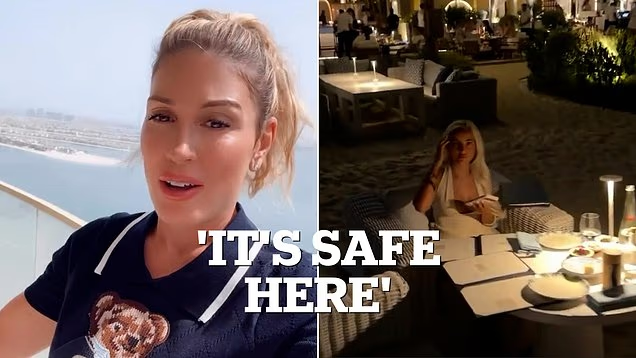
As the Iran war intensifies across the Middle East, social media is buzzing with a different kind of spectacle: Dubai influencers posting eerily similar videos praising the city’s leadership. The trend has left many viewers unsettled, raising questions about online narratives during times of conflict.
Across platforms like TikTok and Instagram, content creators in Dubai have been sharing posts under the phrase “I know who protects us,” often paired with images of Dubai’s ruler, Sheikh Mohammed bin Rashid Al Maktoum. While influencers say the posts are meant to show confidence in the city’s leadership, critics online claim the trend looks coordinated.
The controversy highlights how war, social media influence, and public messaging increasingly collide in the digital age.
Why Dubai influencers are being criticized during the Iran war
The backlash stems from a wave of nearly identical videos posted by Dubai-based influencers shortly after reports emerged of drone and missile activity targeting parts of the United Arab Emirates.
Many videos follow the same structure:
- The clip begins with the text “Are you scared?”
- It cuts to images or footage of Sheikh Mohammed waving to crowds.
- The video then displays the line “I know who protects us.”
The formula has repeated across multiple accounts with large followings. For some viewers, the similarity was too striking to ignore.
Online commentators began suggesting that the videos looked scripted or sponsored, especially as they appeared during a period when tensions in the region were escalating.
One viral post tied to the trend reportedly crossed more than seven million views, helping fuel wider speculation about who might be behind the messaging.
However, there is currently no evidence confirming that the UAE government paid influencers to create these posts.
What is the “I know who protects us” trend?
The “I know who protects us” trend is a short-form social media format that blends patriotic messaging with influencer-style storytelling.
The content typically features:
- Dramatic opening text designed to grab attention
- Images of Dubai landmarks or the ruling family
- Music and visual edits that convey confidence or reassurance
Supporters say the trend is simply a way for residents to express trust in the country’s leadership during a tense geopolitical moment.
Critics argue it looks like a public relations campaign disguised as organic social media content.
Why these posts spread so quickly
Several factors helped the trend gain traction quickly:
- Influencers with large audiences amplified the format
- The videos were short, visually polished, and easy to replicate
- The narrative resonated with audiences looking for reassurance during uncertain times
Social media trends often work like digital dominoes. Once one high-profile creator posts a successful format, dozens of others replicate it within hours.
What is happening in Dubai amid the Iran war?
The influencer controversy unfolded alongside reports that the United Arab Emirates has faced drone and missile threats as regional tensions rise.
According to various media reports:
- More than 1,400 missiles and drones have reportedly been launched toward the UAE in recent weeks
- Iranian drones were detected near airport terminals in Dubai
- Flight disruptions have occurred in parts of the country
Footage circulating online has shown fires in residential areas and debris falling from the sky.
One particularly serious incident occurred near Dubai Creek Harbour, where a drone reportedly struck a high-rise residential building and triggered a fire. Authorities confirmed that emergency services responded to the situation.
Despite these incidents, daily life in Dubai has largely continued as normal, which some residents say explains the confident tone of the influencer posts.
Are influencers being paid to promote the message?
This is the central question driving the debate online.
Social media users have pointed out several suspicious patterns:
- Identical video formats appearing simultaneously across accounts
- Similar captions and hashtags
- Posts praising the government while avoiding any mention of attacks
These similarities led some critics to speculate that influencers may have been compensated to promote a positive narrative about Dubai during the conflict.
However, influencers involved in the trend have publicly denied these claims. Many say they posted the videos voluntarily.
At this stage, there is no publicly available evidence confirming government payments or coordination.
Reports of social media restrictions during the conflict
Another factor fueling speculation is the disappearance of earlier posts showing alleged drone and missile attacks.
Some social media users claim:
- Videos showing explosions or damage were deleted
- Influencers were advised not to discuss the war
- Content that could cause public panic was discouraged
Authorities have not publicly confirmed any formal directive targeting influencers specifically.
However, governments around the world often monitor and regulate information during wartime to control misinformation and prevent panic.
Why governments try to shape wartime narratives
Information control during conflict is not unique to the UAE.
Historically, governments attempt to manage narratives for several reasons:
- Preventing panic among civilians
- Countering misinformation or propaganda
- Maintaining public confidence in leadership
- Protecting military or security operations
The difference today is that social media allows millions of individuals to become broadcasters, making narrative control significantly harder.
Why the controversy matters in the age of influencer media
The debate over Dubai influencers touches on a larger issue: how digital creators shape public perception during global crises.
Influencers today occupy a powerful position between traditional journalism and everyday social media users. Their content can reach millions within minutes.
This raises several concerns:
- Audiences may struggle to distinguish personal opinion from sponsored messaging
- Viral trends can quickly reshape how people perceive real-world events
- Governments and organizations increasingly recognize influencer networks as powerful communication tools
The role of misinformation during modern conflicts
The controversy also underscores the broader problem of misinformation and unverified content during war.
Experts warn that social media often becomes flooded with:
- Old videos recirculated as current events
- Edited clips lacking context
- Narratives pushed by political actors or interest groups
TL;DR
Dubai influencers are facing online criticism after posting nearly identical “I know who protects us” videos during the Iran war. The posts praise Dubai’s leadership and aim to reassure viewers that the city remains safe. Critics suspect coordinated messaging, though influencers deny being paid or directed to create the content. The debate highlights how social media narratives, influencer culture, and geopolitics increasingly intersect during modern conflicts.