
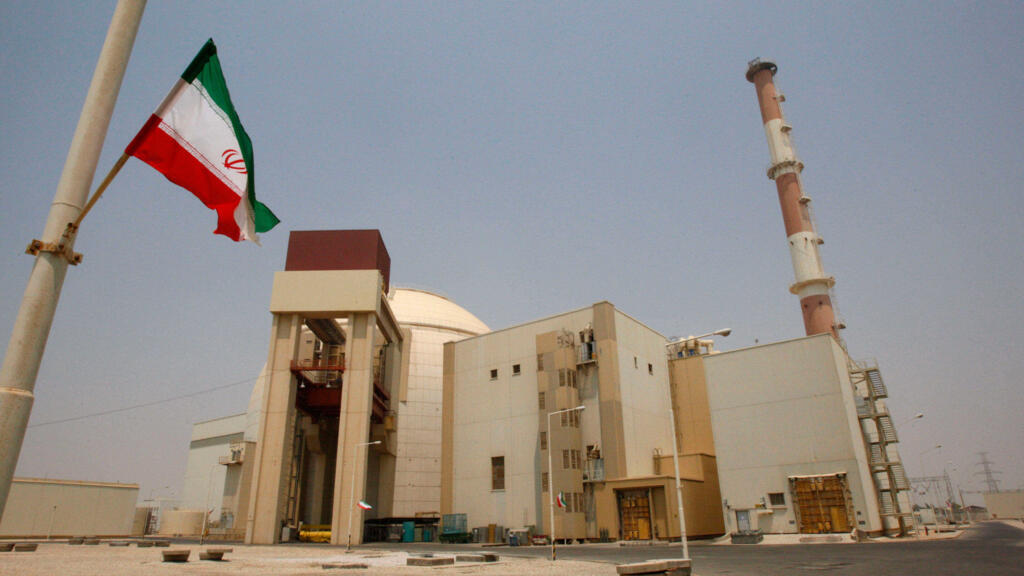
Is Iran softening its position on its uranium program, or simply buying time?
After months of escalating rhetoric between Tehran and Washington, a new Reuters report suggests Iran may be considering a series of “confidence-building steps” tied to its uranium enrichment activities. If implemented, the moves would mark a notable shift in tone after previous rounds of negotiations stalled.
But beneath the headlines, the core dispute remains unchanged: the U.S. sees Iran’s uranium enrichment as a pathway to nuclear weapons. Iran insists its program is strictly peaceful.
So what’s really happening?
What Is Iran Proposing on Uranium Enrichment?
According to Reuters, Iranian officials are weighing three major steps:
- Shipping a portion of its highly enriched uranium overseas
- Diluting part of its existing stockpile
- Joining a regional uranium enrichment consortium
Each of these steps would reduce immediate concerns about Iran’s growing stockpile of enriched uranium. Together, they could serve as diplomatic leverage ahead of renewed negotiations with the United States.
Why These Steps Matter
Iran is currently enriching uranium to 60% purity at its Fordow facility, a level far above the 3.67% cap set under the 2015 nuclear deal, formally known as the Joint Comprehensive Plan of Action (JCPOA).
For context:
- 3–5% enrichment is typical for civilian nuclear power.
- 20% enrichment significantly shortens the technical path to weapons-grade material.
- 90% enrichment is considered weapons-grade.
While 60% is not weapons-grade, it dramatically reduces the breakout time, the period needed to produce enough fissile material for a nuclear weapon.
That’s why Western governments and the International Atomic Energy Agency (IAEA) have expressed growing concern.
What Is Iran’s Current Uranium Enrichment Level?
Iran’s enrichment activity at Fordow, a hardened, underground site, has become a central flashpoint.
After the U.S. withdrew from the JCPOA in 2018 under President Donald Trump and reimposed sanctions, Tehran began gradually breaching the deal’s limits.
Today:
- Enrichment stands at 60% purity
- Stockpiles exceed JCPOA thresholds
- Monitoring arrangements have been reduced, though not fully severed
Iran maintains that its nuclear program is for civilian energy and medical research purposes. However, critics argue that 60% enrichment has little practical civilian justification.
For this section, consider embedding a simple visual timeline chart showing enrichment levels from 2015 to the present.
What Does Iran Want in Return?
If Tehran moves forward with confidence-building steps, it’s not doing so unconditionally.
According to the Reuters report, Iran is seeking:
1. Recognition of Its Right to “Peaceful Nuclear Enrichment”
Iran has long argued that, under the Nuclear Non-Proliferation Treaty (NPT), it has the sovereign right to pursue peaceful nuclear technology.
However, the U.S. position has historically focused less on abstract rights and more on verifiable limits and oversight.
This remains one of the most politically sensitive sticking points.
2. Phased Sanctions Relief
U.S. sanctions have severely constrained Iran’s economy, targeting:
- Oil exports
- Banking access
- Shipping and insurance
- Foreign investment
Tehran reportedly wants a structured, phased rollback of sanctions tied to compliance benchmarks.
3. Economic Incentives
Iran has floated the possibility of allowing U.S. companies to act as contractors in its oil and gas sector — a notable signal given decades of economic estrangement.
Whether Washington would entertain that remains uncertain.
How Has the US Responded to Iran’s Uranium Enrichment?
The U.S. continues to argue that Iran’s uranium enrichment trajectory increases proliferation risk.
In addition to nuclear concerns, Washington has pushed for:
- Limits on Iran’s ballistic missile program
- Constraints on regional proxy activity
- Stronger IAEA oversight
Tehran has largely resisted expanding talks beyond the nuclear file.
At the same time, Iran has signaled openness to greater inspection access by the IAEA, a move that could reduce immediate international pressure.
For added credibility, consider linking to recent IAEA reports or U.S. State Department briefings.
Is This Diplomacy or a Tactical Pause?
That’s the key question.
Some analysts argue that Iran’s willingness to consider confidence-building steps reflects genuine economic pressure and a desire to prevent military escalation.
Others suggest it could be a strategic move to:
- Buy time
- Avoid harsher sanctions
- Deflect the risk of direct confrontation
- Preserve its technical nuclear gains while negotiating
The term “interim arrangement” has surfaced again, signaling that a smaller, temporary deal could precede a broader agreement.
We’ve seen this pattern before.
Previous negotiation rounds faltered over two core issues:
- The scope of enrichment limits
- The sequencing of sanctions relief
Unless those gaps narrow, history could repeat itself.
Why Iran’s Uranium Enrichment Matters Globally
This isn’t just a bilateral dispute.
Regional Implications
Countries in the Middle East, particularly Israel and Gulf states, closely monitor Iran’s nuclear trajectory.
Israeli officials have repeatedly warned they may act unilaterally if diplomacy fails.
Regional tensions could escalate quickly if negotiations collapse.
Global Nonproliferation Norms
The future of Iran’s uranium enrichment program also tests the credibility of global nonproliferation frameworks.
If enrichment at 60% becomes normalized without strong oversight, it could:
- Undermine confidence in arms control agreements
- Encourage other states to push technical boundaries
- Complicate global diplomacy beyond the Middle East
What Happens Next?
Negotiations are expected to continue, but the outcome hinges on whether both sides can reconcile two fundamental principles:
- Iran’s insistence on sovereign enrichment rights
- U.S. demands for tighter restrictions and verification
Neither side appears ready to abandon its red lines.
That’s why the current signals, while notable, fall short of a breakthrough.
They represent a potential recalibration, not a resolution.
TL;DR
- Iran is considering shipping out and diluting some of its enriched uranium.
- Enrichment currently stands at 60%, well above the 2015 nuclear deal limit.
- Tehran wants formal recognition of peaceful enrichment rights and phased sanctions relief.
- The U.S. remains focused on strict limits and broader security concerns.
- Talks may continue, but major disputes remain unresolved.