
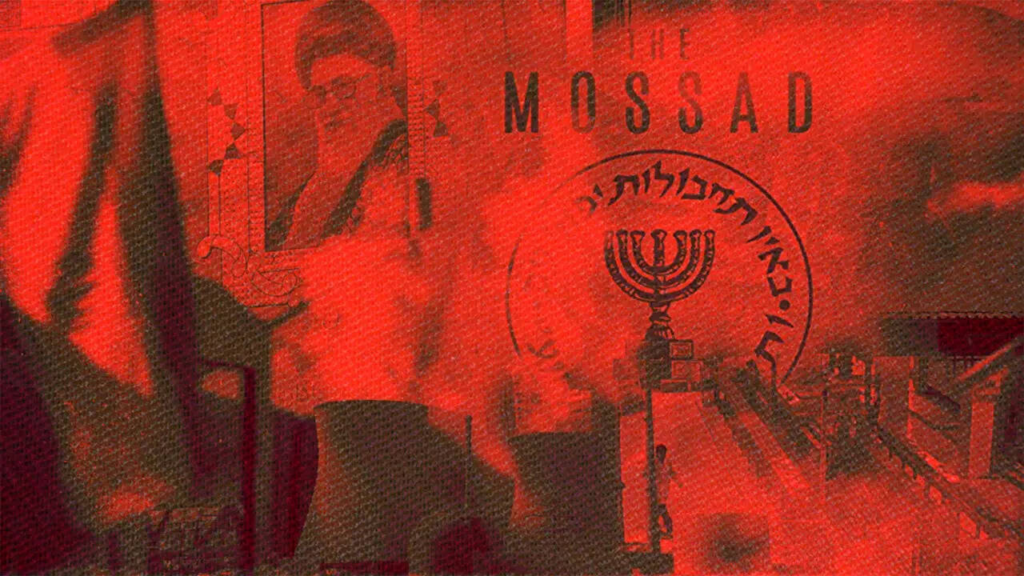
In the wake of weeks of direct military confrontation, the conversation around Iran is shifting. Officials and analysts are now pointing to a new phase—one less about bombs and more about pressure from within. Statements from David Barnea and commentary by Mark Dubowitz suggest that the next chapter of the US-Israel strategy may center on internal destabilization.
This so-called “Phase 3” approach combines economic chokeholds, psychological operations, and support for opposition movements. The goal, as openly stated by Israeli intelligence leadership: regime change.
What Is “Phase 3” of the Iran Strategy?
“Phase 3” refers to a strategic pivot from overt military action to indirect pressure aimed at weakening Iran from within.
Key elements include:
- Economic strangulation through sanctions and blockades
- Psychological and information warfare
- Encouraging internal dissent and fractures within leadership
- Supporting opposition figures and movements
Unlike traditional warfare, this phase is long-term and less visible. It relies on cumulative pressure rather than decisive battlefield victories.
How Does the Naval Blockade Impact Iran’s Economy?
At the center of this strategy is the naval blockade, particularly around the Strait of Hormuz—one of the world’s most critical oil transit routes.
Why it matters:
Iran’s economy is heavily dependent on oil exports. Disrupting that flow creates a cascading effect across the country.
Expected economic consequences:
- Sharp decline in export revenue: Oil is Iran’s primary source of foreign currency
- Currency collapse risk: Reduced dollar inflows weaken the rial
- Rising inflation: Import costs surge as currency value drops
- Unemployment spikes: Businesses reliant on trade and imports struggle
Some analysts argue that this kind of economic pressure can be more damaging than direct military strikes.
Consider adding a chart here comparing Iran’s oil export volumes before and after the blockade to visualize the scale of disruption.
Why blockade > bombs (in some cases):
- Sustained damage vs. one-time destruction
- Direct impact on civilians and daily life
- Increased likelihood of public dissatisfaction
However, economic hardship alone does not guarantee political change. History shows that regimes often adapt—even under extreme sanctions.
Is Iran Facing Economic Collapse?
There are growing claims—some verified, others not—that Iran is nearing a breaking point.
Reports and circulating audio clips suggest:
- Government concerns about paying salaries
- Severe strain on public finances
- Increasing difficulty in maintaining subsidies and services
While these claims require careful verification, the broader trend is clear: economic pressure is intensifying.
Why this matters politically:
Economic collapse can:
- Erode public trust in leadership
- Trigger protests or unrest
- Create divisions within ruling elites
But it can also backfire—rallying nationalist sentiment and strengthening hardline control.
What Role Do Psychological and Covert Operations Play?
Military force may have paused, but intelligence operations are likely accelerating.
Possible tactics in play:
- Information campaigns targeting public perception
- Messaging aimed at security forces to weaken loyalty
- Amplifying dissent through digital platforms
- Covert support for resistance networks
These efforts aim to create what analysts call “internal fracture”—a breakdown in cohesion within the state apparatus.
Are There Signs of Internal Instability in Iran?
Unverified reports point to increasing instability:
- Explosions in Tehran
- Alleged targeted killings of regime-linked figures
- Claims of expanding guerrilla-style operations
While these reports are difficult to independently confirm, they align with a broader narrative: pressure is no longer just external.
Why verification matters:
- Misinformation is common in conflict zones
- Psychological operations often blur fact and perception
- Policy decisions should not rely on unverified claims
Suggest linking to a reputable conflict monitoring source such as the International Crisis Group or Reuters for verified updates.
What Is the Role of Opposition Figures Like Reza Pahlavi?
Exiled leaders are also stepping into the spotlight. Reza Pahlavi has framed the current moment as a historic opportunity for change.
His core message:
- The regime is weakened but not defeated
- External pressure alone is insufficient
- Change must ultimately come from within Iran
He has urged citizens to prepare for a “decisive moment,” emphasizing the role of public action.
Why this matters:
Opposition figures can:
- Shape narratives inside and outside the country
- Provide symbolic leadership
- Influence international policy discussions
But their actual influence within Iran remains a subject of debate.
Why Has Regime Change Been So Difficult in Iran?
External pressure on Iran is not new. Decades of sanctions and diplomatic isolation have failed to produce regime change.
What’s different this time?
- Scale of recent military action
Coordinated strikes have reportedly weakened key infrastructure - Synchronization of pressure
Economic, military, and informational strategies are now aligned - Public unrest precedent
Events like the 2022 protests following the death of Mahsa Amini revealed deep dissatisfaction
What hasn’t changed:
- Strong internal security apparatus
- Extensive surveillance networks
- Ability to suppress dissent
This creates a paradox: the regime may be weaker, but still capable of holding power.
What Are the Risks of This Strategy?
A strategy built on internal destabilization carries significant risks.
Potential outcomes:
- Successful transition: Regime weakens, and reform emerges
- Prolonged instability: Economic collapse without political resolution
- Authoritarian consolidation: Leadership tightens control in response
- Regional escalation: Spillover effects across the Middle East
Key challenge:
Balancing pressure without triggering chaos or strengthening hardliners.
What Comes Next?
“Phase 3” signals a shift from immediate confrontation to strategic endurance.
Expect:
- Continued economic pressure
- Increased covert operations
- More visible opposition messaging
- Ongoing information warfare
This is not a quick path to resolution. It’s a slow, uncertain process with high stakes.
TL;DR
- Israel and the US may be entering “Phase 3” of their Iran strategy
- Focus has shifted from military strikes to internal destabilisation
- A naval blockade is putting severe pressure on Iran’s economy
- Reports suggest growing instability, though verification is limited
- Opposition figures are calling for an internal uprising
- Success is uncertain—history shows regime change in Iran is extremely difficult