
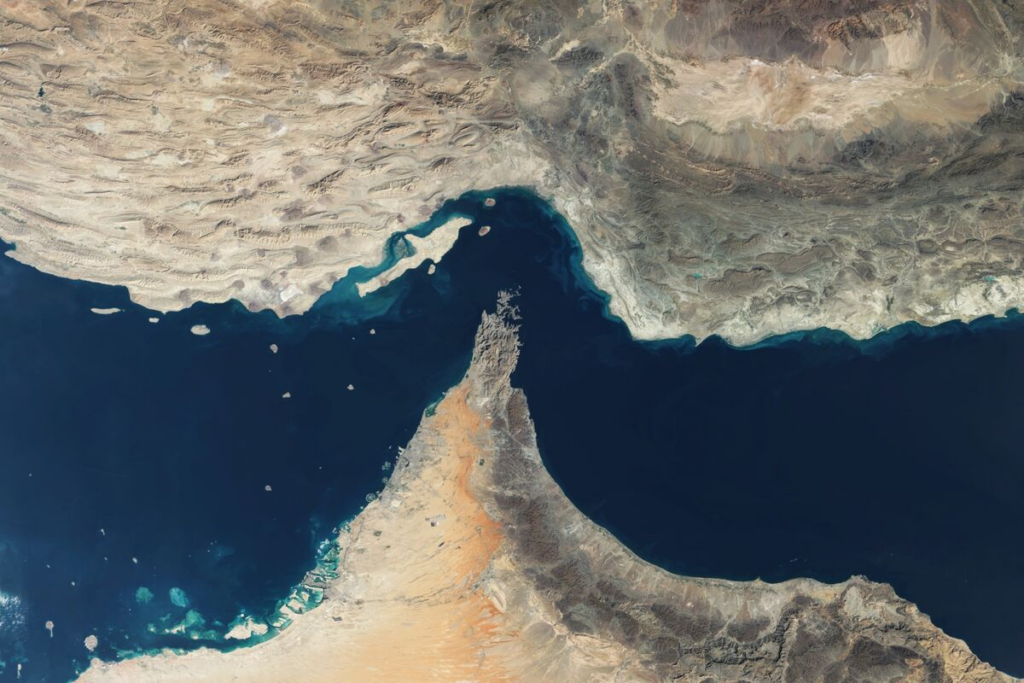
The reopening of the Strait of Hormuz, one of the world’s most critical oil transit routes, is facing fresh delays. The reason is both technical and strategic. Iran is reportedly struggling to locate and clear sea mines it is believed to have deployed during the recent conflict.
The situation is more than a regional disruption. It is a pressure point for global energy markets, diplomatic negotiations, and maritime security. And it reveals how modern conflicts can create problems that outlast the fighting itself.
What is happening in the Strait of Hormuz right now?
The Strait has remained effectively closed for over a month, halting most commercial shipping due to the risk of underwater mines and potential attacks.
According to U.S. officials cited by major media reports, Iran may not have precise records of where all its mines were placed. Some of the devices may have drifted due to ocean currents, making detection significantly harder.
What’s causing the delay?
- Incomplete deployment records: Not all mine locations were properly documented
- Drifting mines: Some were designed or placed in ways that allow movement
- Limited clearance capability: Iran lacks rapid, large-scale mine removal systems
- Ongoing security risks: Threats of missile or drone attacks complicate operations
Why is the Strait of Hormuz so important?
The Strait is a narrow maritime corridor connecting the Persian Gulf to global markets. Its importance cannot be overstated.
Key facts about the Strait
- Handles a significant share of the world’s oil exports
- Serves major producers, including Saudi Arabia, UAE, Iraq, and Kuwait
- Critical for energy-importing countries such as India, China, and Japan
When this chokepoint shuts down, the ripple effects spread fast. Oil prices react, shipping insurance costs spike, and supply chains tighten.
Global impact of the current closure
- Energy markets under stress: Reduced supply pushes prices upward
- Shipping disruptions: Tankers reroute or halt operations entirely
- Economic pressure: Import-dependent economies face rising costs
Why can’t Iran clear its own sea mines?
At first glance, it may seem surprising that a country would struggle to remove weapons it has deployed itself. In reality, naval mine warfare is notoriously complex.
The technical challenge of mine clearance
Sea mines are designed to be difficult to track and neutralize. Once deployed, they can become unpredictable.
Key complications include the following:
- Ocean currents that shift mines from their original positions
- Limited visibility underwater, especially in busy shipping lanes
- Different mine types, including contact, magnetic, and acoustic variants
- Risk of accidental detonation during clearance
Even advanced militaries face constraints. The United States Navy, for example, relies on specialized ships and underwater drones for mine countermeasures.
Iran’s specific limitations
- Fewer dedicated minesweeping vessels
- Limited access to advanced detection technologies
- Time-intensive manual and semi-automated processes
This means clearing the Strait is not just a political decision. It is a slow, technically demanding operation.
How is this affecting US-Iran diplomacy?
The delayed reopening is now a central issue in ongoing diplomatic efforts.
JD Vance has arrived in Islamabad for talks with Iranian officials, where the Strait’s status is expected to dominate discussions.
What each side wants
- United States: Immediate reopening as a condition for de-escalation
- Iran: Greater control over the waterway as part of a broader proposal
Donald Trump has reportedly pushed for reopening deadlines tied to a pause in military actions. Iran, meanwhile, appears to be using the Strait as leverage in negotiations.
Why the delay complicates talks
- Weakens trust between negotiating parties
- Extends economic pressure on global markets
- Raises the risk of renewed conflict if deadlines are missed
What does this mean for India and other oil importers?
Countries like India are particularly vulnerable to disruptions in the Strait.
Immediate concerns
- Rising crude oil prices
- Increased import bills
- Pressure on domestic fuel prices
Broader economic effects
- Inflation risks
- Currency fluctuations due to higher energy imports
- Strain on government subsidies and fiscal planning
For India, which imports a large share of its oil, even a short-term disruption can have lasting economic consequences.
Could the crisis escalate further?
The longer the Strait remains closed, the higher the stakes.
Potential risks ahead
- Military escalation if negotiations fail
- Accidental incidents involving commercial or naval vessels
- Expanded regional conflict involving Gulf states
At the same time, there are incentives for de-escalation. Prolonged disruption benefits neither global markets nor the countries directly involved.
Why this crisis matters beyond the Middle East
This is not just a regional maritime issue. It is a case study in how modern conflicts intersect with global systems.
- Energy security is tightly linked to geopolitical stability
- Infrastructure chokepoints can become strategic weapons
- Technical constraints, like mine clearance, can shape political outcomes
The Strait of Hormuz reopening delay highlights a simple but often overlooked reality: ending a conflict is one thing, undoing its consequences is another.
TL;DR
- The Strait of Hormuz remains closed due to Iran’s difficulty in clearing sea mines
- Missing records and drifting mines are slowing the process
- The closure is disrupting global oil supplies and raising prices
- The issue is central to ongoing US-Iran talks in Islamabad
- Countries like India face economic pressure from prolonged disruption