For weeks, the Strait of Hormuz looked less like one of the world’s busiest shipping lanes and more like a geopolitical choke point. Now, vessel traffic is rising again — a possible sign that Iran is loosening its grip on the critical waterway after months of disruption tied to the ongoing US-Iran conflict.
According to maritime tracking data cited by commentator Mario Nawfal and reports from Reuters, commercial ship movement through the Strait of Hormuz has increased sharply in recent days. Iranian authorities, specifically the Islamic Revolutionary Guard Corps (IRGC), appear to have eased restrictions that had slowed or halted traffic through Iranian-controlled lanes.
The shift matters far beyond the Persian Gulf. Roughly one-fifth of the world’s crude oil and liquefied natural gas (LNG) passes through the Strait of Hormuz under normal conditions. Any disruption there immediately affects energy markets, shipping insurance costs, and global inflation fears.
The latest developments suggest that while military tensions remain high, both Washington and Tehran may be trying to prevent a deeper economic shock.
What Is Happening in the Strait of Hormuz?
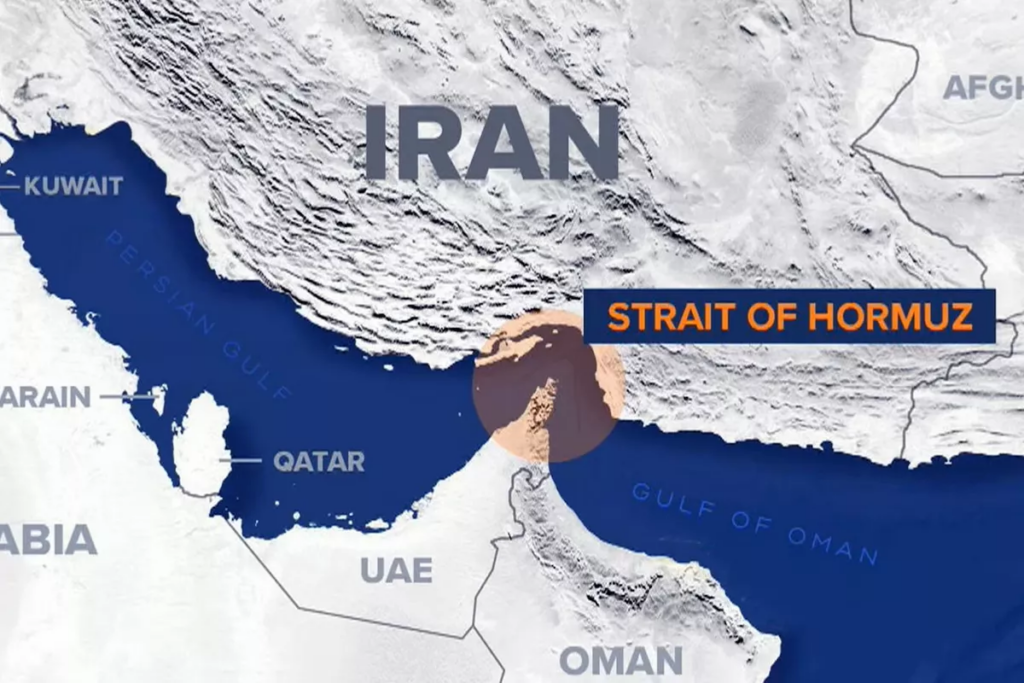
The Strait of Hormuz is one of the world’s most strategically important waterways. The narrow passage connects the Persian Gulf to the Gulf of Oman and the Arabian Sea, serving as the main export route for oil producers including Saudi Arabia, Iraq, the UAE, Kuwait, and Iran.
Since the US-Iran conflict escalated following the February 28 airstrikes on Tehran, the strait has operated under extreme military scrutiny.
Iran’s IRGC effectively tightened control over maritime movement, while the United States expanded its naval presence in the region. Commercial ships faced delays, rerouting orders, and heightened security checks.
Now, however, Iranian officials say traffic is moving again — but under a new framework.
An IRGC statement carried by Iran’s state-affiliated ISNA news agency said vessel transit is taking place “with permission and in coordination with the IRGC Navy.”
According to Al Jazeera, the IRGC claimed it coordinated the passage of 26 vessels through the strait within a 24-hour period.
How Has US Naval Activity Changed in the Strait of Hormuz?
The United States has significantly increased its military footprint in the region over the past several months.
US Central Command (CENTCOM) reportedly expanded naval patrols and redirected commercial vessels away from Iranian-controlled zones. Additional warships were deployed to:
- Enforce restrictions on Iranian maritime operations
- Protect commercial shipping routes
- Deter attacks on oil tankers and cargo ships
- Monitor IRGC naval activity
The strategy amounts to a partial maritime blockade around Iranian ports while maintaining open navigation corridors for allied and neutral shipping.
That balancing act has proven difficult.
Shipping companies have faced rising insurance premiums, route uncertainty, and the constant threat of military escalation. Even isolated incidents in the strait can send oil prices higher within hours.
Why the US Presence Matters
The US Navy’s role in the Strait of Hormuz extends beyond regional politics.
The waterway is critical to:
- Global energy supply chains
- Asian and European energy imports
- International shipping markets
- Inflation-sensitive economies dependent on stable oil prices
Any sustained disruption could ripple through industries ranging from aviation to manufacturing.
What Is Iran’s New Maritime Control Framework?
One of the most notable developments came on Wednesday when Iran’s Persian Gulf Strait Authority (PGSA) published a new maritime control map on X.
The map outlined what appears to be a formally managed transit zone across the Strait of Hormuz.
According to the published framework:
- The eastern boundary stretches from Kuh-e Mubarak in Iran to south of Fujairah in the UAE
- The western boundary runs from Qeshm Island toward Umm al-Quwain
The implication is significant: Iran may now be attempting to institutionalise traffic control rather than simply obstructing passage.
That could serve several purposes simultaneously:
- Reassert Iranian sovereignty claims
- Maintain leverage in negotiations with the US
- Reduce economic blowback from a full blockade
- Avoid alienating key oil-importing nations like China and India
A Shift From Disruption to Managed Control?
Security analysts may interpret the move as a tactical adjustment rather than a retreat.
Iran benefits from demonstrating that it can both disrupt and restore maritime movement when it chooses. By allowing controlled traffic instead of enforcing a total shutdown, Tehran can preserve strategic leverage without triggering a complete collapse in regional shipping.
That distinction matters for global markets.
Energy traders tend to react more aggressively to uncertainty than to controlled restrictions. A partially functioning shipping corridor is easier for insurers, tanker operators, and governments to manage.
What Risks Do Commercial Vessels Still Face?
Despite the apparent easing of restrictions, the Strait of Hormuz remains highly volatile.
Commercial vessels continue to face several major risks.
Military Escalation
The largest concern is accidental or intentional confrontation between US and Iranian forces.
Close naval encounters in narrow waterways increase the chance of:
- Miscommunication
- Drone incidents
- Warning shots
- Vessel seizures
- Escalation from minor confrontations
Insurance and Shipping Costs
Even when ships move freely, operating costs remain elevated.
Shipping insurers have classified parts of the Gulf region as high-risk zones, pushing up:
- War-risk insurance premiums
- Crew security costs
- Fuel expenses from rerouting
- Delivery delays
Those costs eventually reach consumers through higher energy and transportation prices.
Supply Chain Disruption
The Strait of Hormuz handles:
- About 20% of global crude oil trade
- A major portion of LNG exports from Qatar and the Gulf
Any renewed disruption could quickly affect:
- Fuel prices
- Electricity costs
- Manufacturing supply chains
- Inflation rates globally
Why the Strait of Hormuz Matters to the Global Economy
The strait’s importance lies in geography.
At its narrowest point, the shipping lane is only about 21 miles wide. Yet it serves as the primary maritime exit route for several of the world’s largest energy exporters.
There are few realistic alternatives.
Pipelines can bypass only part of the route, and rerouting around Africa would add enormous costs and delays to global shipping.
That makes the Strait of Hormuz one of the world’s most sensitive economic pressure points.
Historically, even rumours of instability there have:
- Spiked oil futures
- Triggered stock market volatility
- Increased shipping rates
- Forced governments to tap strategic petroleum reserves
Are US-Iran Negotiations Going Anywhere?
For now, talks between Washington and Tehran over fully restoring maritime access remain stalled.
Neither side appears ready to de-escalate publicly.
The US continues to emphasize freedom of navigation, while Iran insists that transit coordination through the IRGC is necessary for regional security.
Still, the recent rise in vessel traffic may indicate that both governments recognize the economic risks of prolonged disruption.
Neither Washington nor Tehran benefits from a sustained global energy shock:
- The US faces inflation and political pressure from rising fuel prices
- Iran risks deeper economic isolation and reduced oil revenue
That shared economic reality may be one of the few stabilizing forces left in the conflict.