Ottawa signals softer stance amid stalled negotiations
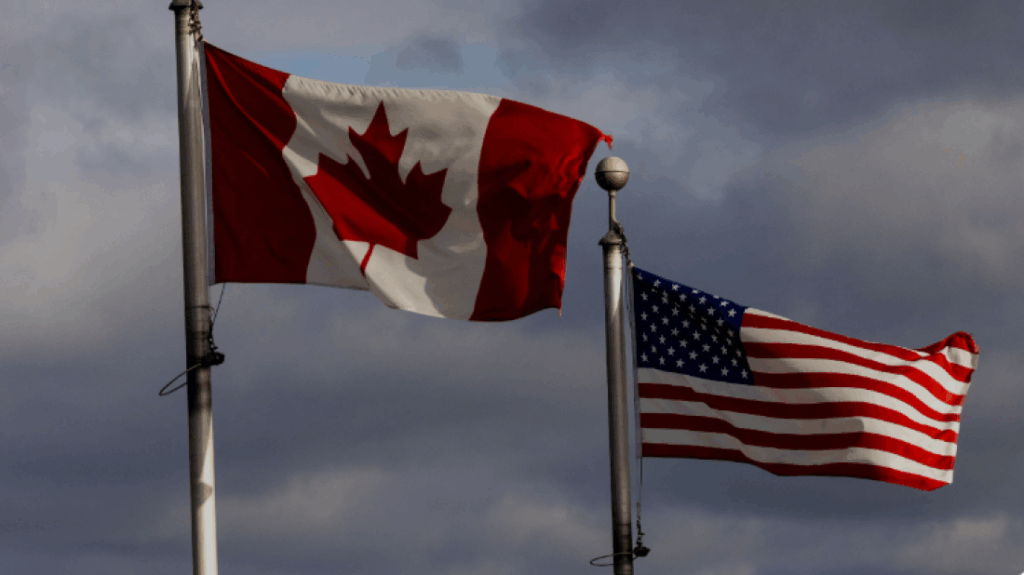
Canada will announce the removal of several retaliatory tariffs on U.S. imports as a gesture of goodwill aimed at reviving trade negotiations with Washington, a source familiar with the matter told Reuters.
While many duties will be rolled back, Canadian tariffs on sensitive sectors—autos, steel, and aluminum—will remain in place for now. The decision reflects Prime Minister Mark Carney’s shift toward conciliation after months of escalating tensions with President Donald Trump’s administration.
Carney is expected to outline the move during a press conference at noon Eastern Time (1600 GMT) on Friday.
Market reaction and currency impact
The Canadian dollar strengthened on the news, rising 0.5% to C$1.3837 against the U.S. dollar by late morning Friday. Markets interpreted the tariff rollback as a sign that Ottawa and Washington may be inching toward compromise, despite no breakthrough deal in sight.
The Canadian economy has been under strain from Trump’s tariffs and Ottawa’s retaliatory measures. By easing some restrictions—particularly on consumer goods—Carney’s government is signaling a willingness to lower economic friction even as major sticking points remain unresolved.
From campaign tough talk to pragmatic diplomacy
Carney, who won April’s election by promising to confront U.S. tariffs head-on, has steadily moderated his stance since taking office.
- In June, his government scrapped a planned digital services tax disliked by U.S. tech giants.
- In July, Ottawa backed away from threats of new sanctions if talks stalled past August 1.
- On Thursday, Carney and Trump spoke for the first time in nearly two months, with officials describing the call as “productive.”
The rollback of retaliatory duties marks another step away from confrontation, though Ottawa insists it will continue defending key domestic industries.
Political challenges at home
The softer approach could become a liability for Carney domestically. His Liberal government holds only a minority of seats in Parliament and depends on opposition parties to pass key legislation.
Conservative leader Pierre Poilievre has accused Carney of capitulating to Washington, calling the tariff retreat a “sign of weakness” in negotiations.
Carney’s predecessor, Justin Trudeau, had imposed 25% tariffs on C$30 billion ($21 billion) worth of U.S. goods in March 2025 as retaliation against Trump’s duties. Ottawa had initially pledged to expand countermeasures to cover as much as C$155 billion, though the bulk of those tariffs were never enacted.
What tariffs will stay in place?
According to the source, Canada’s decision will leave untouched the retaliatory duties targeting:
- U.S. automobiles and auto parts
- Steel and aluminum products—critical industries for both countries
- Select goods seen as strategically important to Canadian supply chains
Tariffs on other goods that are compliant with the U.S.-Mexico-Canada Agreement (USMCA) will be lifted.
What’s at stake in US-Canada trade relations?
The U.S. is Canada’s largest trading partner, and the tariffs imposed under Trump’s administration have strained the economic relationship. Both countries have been in talks for months on redefining their economic and security partnership, though progress has been limited.
By selectively easing tariffs, Ottawa appears to be betting that Washington may reciprocate, creating space for broader compromise without abandoning protection of core industries.
Still, the balancing act is fraught with risk: a miscalculation could leave Canada vulnerable to further U.S. pressure while fueling criticism at home.