
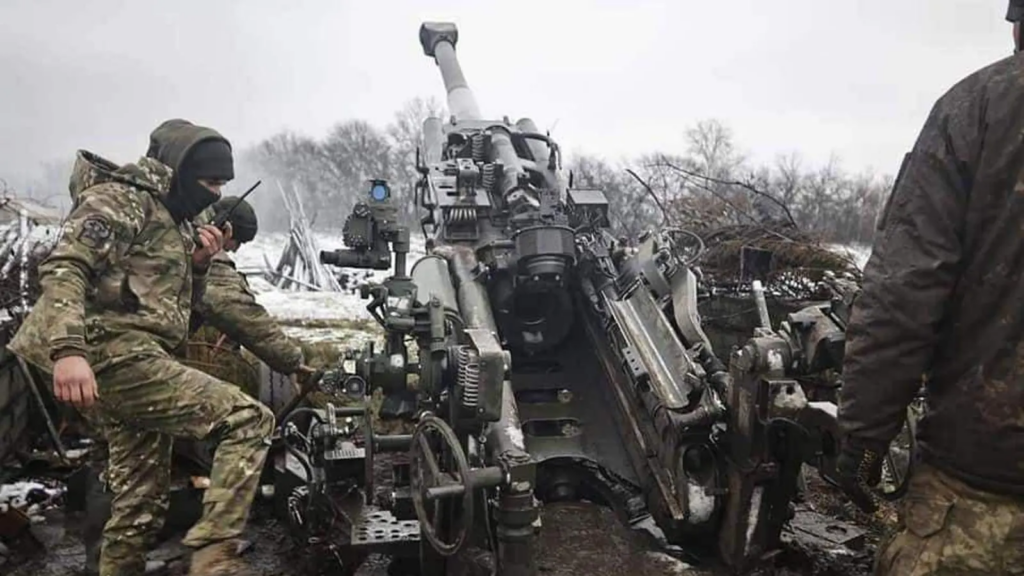
Allegations that Russian troops resorted to cannibalism on the frontlines of the Russia-Ukraine War have surfaced in a report by The Sunday Times, citing Ukrainian military intelligence. The claims are graphic, disturbing, and, crucially, unverified.
They point to the extreme conditions soldiers may be facing as the war grinds on, particularly in winter. But they also highlight the fog of war, where information is often difficult to confirm, and narratives can serve strategic purposes.
TL;DR
- Ukrainian intelligence alleges multiple instances of cannibalism among Russian troops.
- Claims are based on intercepted audio and photos reportedly sourced from Telegram.
- At least five alleged cases were cited, including one involving a soldier killing comrades.
- Russia has not responded; past similar claims have been dismissed as “fake.”
- Independent verification is currently lacking.
What Do the Cannibalism Claims Say?
According to Ukrainian officials who spoke to The Sunday Times, at least five instances of cannibalism were reported among Russian soldiers during winter shortages.
A particularly graphic allegation
One case involves a soldier identified by the call sign “Khromoy,” reportedly stationed in the Donetsk region in November 2025.
The claims suggest:
- He allegedly killed two fellow soldiers
- Attempted to consume part of one body
- Was later killed by other troops after opening fire
Intercepted audio, cited in the report, describes the incident in detail. Photos were also reportedly shared via Telegram and reviewed by Ukrainian cyber specialists, who claim they were not altered.
Another intercepted message allegedly warned:
“Ours will also soon start eating each other… Everyone is on starvation rations.”
Are These Claims Verified?
No—these claims remain unverified.
Why verification is difficult
- No independent confirmation:
There is no corroboration from neutral observers, international monitors, or independent journalists. - Source limitations:
The evidence comes from Ukrainian intelligence, which is a party to the conflict. - Digital evidence challenges:
Even when images or audio appear authentic, verifying origin and context is complex—especially in wartime.
Russia’s position
There has been no official response from Russia regarding these specific allegations. However, Russian authorities have historically dismissed intercepted communications released by Ukraine as fabricated or misleading.
What Conditions Could Lead to Such Allegations?
Even without confirming the claims, the report raises questions about battlefield conditions.
Winter warfare challenges
Fighting in eastern Ukraine, particularly around Donetsk and Pokrovsk, involves:
- Sub-zero temperatures
- Supply chain disruptions
- Limited food and medical access
Psychological strain
Prolonged combat can lead to:
- Severe mental stress
- Breakdown of discipline
- Extreme survival behaviours in rare cases
Experts often note that, historically, extreme wartime conditions have led to desperate actions, though such cases are exceptionally rare and heavily scrutinised.
Information Warfare and Propaganda Risks
The emergence of such allegations must also be viewed in the broader context of information warfare.
Why do such claims spread
- Psychological impact:
Graphic stories can demoralize enemy forces and influence public opinion. - Media amplification:
Sensational claims often gain rapid global attention. - Digital platforms:
Apps like Telegram are frequently used for both communication and the dissemination of propaganda.
The need for caution
Without independent verification, publishing or sharing such claims carries risks:
- Misinformation can spread quickly
- Narratives may be weaponised
- Public perception may be shaped by incomplete data
Related Development: Ukraine’s Use of Robots in Warfare
Separate from these allegations, Ukraine has been increasingly using unmanned ground vehicles (UGVs) in combat operations.
How Ukraine is deploying robots
Ukrainian forces are using remotely controlled systems to:
- Deliver explosives to Russian positions
- Conduct reconnaissance missions
- Reduce troop exposure to danger
Why this shift matters
- Helps conserve manpower
- Enables precision strikes
- Reflects evolving battlefield tactics
Advantages of unmanned ground vehicles
- Lower risk to soldiers
- Ability to operate in high-risk zones
- Cost-effective compared to manned systems
What Should Readers Take Away?
The cannibalism allegations are among the most extreme claims to emerge from the war—but they remain unproven.
Key points to keep in mind:
- The claims originate from one side of the conflict
- Evidence has not been independently verified
- Wartime conditions can be severe, but extraordinary claims require strong proof
Final Word
War often produces stories that are as shocking as they are difficult to verify. The cannibalism claims in the Russia-Ukraine war fall squarely into that category—serious enough to report, but uncertain enough to treat with caution.
In conflicts where information is as contested as territory, skepticism isn’t just healthy, it’s necessary.