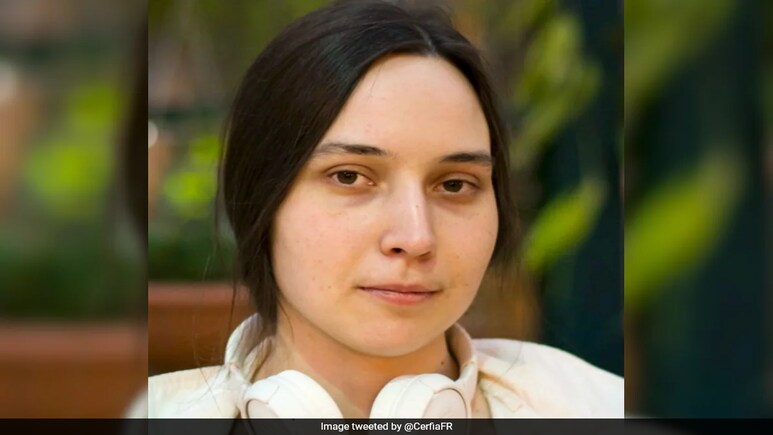
Researcher could face up to 20 years in prison amid immigration complications
A Harvard-affiliated scientist is facing serious federal charges for allegedly smuggling frog embryos into the United States, compounding her existing immigration troubles that could result in deportation to Russia.
Federal prosecutors have charged Kseniia Petrova, 30, with smuggling biological materials after customs officials discovered frog embryos in her luggage at Boston’s Logan International Airport. The charges carry potential penalties of up to 20 years imprisonment and fines reaching $250,000.
Detention and discovery
Petrova, who has been held in a U.S. Immigration and Customs Enforcement (ICE) detention facility in Louisiana since her arrest earlier this year, maintains she had no intention of violating U.S. customs laws.
“I obtained the samples during my visit to a laboratory in France,” Petrova told the Associated Press. “I didn’t realize I needed to declare them at customs.”
According to federal authorities, a canine detection unit flagged Petrova’s checked luggage for inspection. Customs and Border Protection officers subsequently discovered the embryos contained within a foam container.
Officials from the Department of Homeland Security stated Petrova was detained after “lying to federal officers about carrying substances into the country.” Court documents indicate that while Petrova initially denied transporting biological materials, she later acknowledged possessing the samples. Messages recovered from her phone allegedly suggested deliberate intent to bring the materials into the country without proper declaration.
Scientific community response
The case has prompted concern throughout academic circles, particularly regarding international scientific collaboration and the status of foreign researchers in American institutions.
Leon Peshkin, Petrova’s mentor and fellow Harvard researcher, has defended her actions, emphasizing that the samples posed no danger.
“At most, this should have warranted a warning or a small fine, not jail time,” Peshkin stated. “There’s a misconception that foreign scientists are privileged to be here. In reality, they bring immense value to American science.”
Harvard University has issued only a brief response to the situation, noting that it is “monitoring the situation.”
Caught between legal systems
Petrova’s legal predicament is further complicated by her immigration status. She fled Russia in 2022 following the invasion of Ukraine, citing fears of political persecution due to her anti-war stance.
The scientist now faces the possibility of deportation back to Russia, where she fears imprisonment or worse because of her political views. Her deportation hearing was conducted earlier this week in Vermont, though a final decision remains pending.
The unusual case highlights the intersection of scientific research, international collaboration, and increasingly strict border enforcement policies that can catch researchers in legal crosshairs.