

TL;DR
- A 47-year-old Thai man killed his 75-year-old mother in a tragic accident near a Buddhist temple.
- He has been charged with reckless driving causing death.
- The case raises legal, cultural, and safety concerns, especially around high-traffic temple zones.
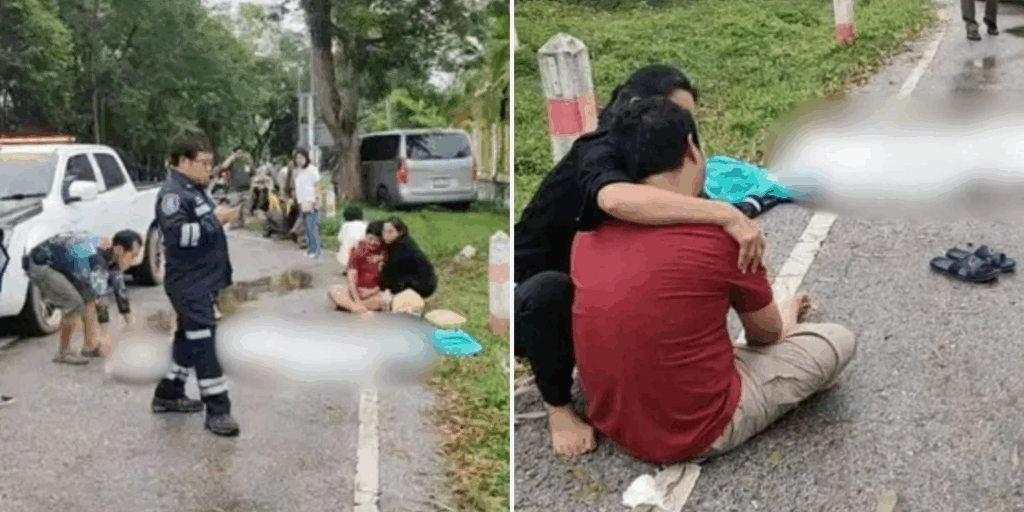
On a recent morning in Udon Thani Province, a 47-year-old Thai man killed his mother in a shocking and devastating accident outside a Buddhist temple. He had just dropped off his 75-year-old mother for a merit-making ceremony—an important Buddhist practice in Thailand—when he accidentally reversed his pickup truck over her, pinning her body before crashing into a tree.
The woman died instantly. Police promptly arrived at the scene and charged the driver with reckless driving causing death. His daughter, who was also in the vehicle, escaped without injury.
This tragic incident—now widely known online under the phrase “Thai man kills mother”—has shaken the local community and raised larger questions.
Why Did the Accident Happen?
Was It Human Error or Mechanical Fault?
The man told police he was backing up slowly when he suddenly lost control. Witnesses reported the vehicle accelerated unexpectedly. Investigators are examining the vehicle for technical issues, but early signs point to a likely case of human error under emotional stress.
Safety Blind Spots Around Temples
The accident spotlights a recurring issue in Thailand: the lack of regulated traffic safety around temples. Many temples do not have:
- Clear drop-off zones
- Pedestrian walkways
- Adequate signage or parking infrastructure
Senior citizens are often dropped close to entrances, walking among moving vehicles—especially during early-morning ceremonies. This creates a hidden but potent danger zone.
Consider including a visual map of traffic bottlenecks near temples.
The phrase “Thai man kills mother” may sound like a crime headline, but in this case, it’s tragically rooted in flawed infrastructure and cultural routine.
Legal and Cultural Shockwaves
The Legal Case: What Does Reckless Driving Mean Here?
Under Thai law, reckless driving causing death can lead to a sentence of up to 10 years. But mitigating factors such as remorse, lack of criminal intent, and the familial relationship may reduce the sentence.
This case could spark broader legal debates around emotional accountability in vehicular fatalities. Should the legal system differentiate between stranger-involved crashes and accidental deaths involving close family members?
Cultural Irony: A Ritual Interrupted by Death
This was no ordinary drive—it was part of a sacred act. Thai Buddhists believe merit-making at temples brings spiritual merit. That a woman died doing just that—and at the hands of her son—has left monks and temple-goers grappling with the spiritual implications.
A local monk might be quoted to provide cultural context about karma, death, and mourning practices in such cases.
What This Tragedy Reveals About Temple Safety
As stories like “Thai man kills mother” trend online, they highlight a systemic issue that often flies under the radar:
Why Are Temples High-Risk for Elderly Pedestrians?
- Temples attract dense foot traffic, especially the elderly.
- They often lack structured entry/exit systems for vehicles.
- Early hours and emotional distraction can impair drivers.
What Can Be Done?
Authorities and temple boards should consider:
- Mandatory no-car zones near prayer halls
- Reverse gear alarm mandates for temple parking lots
- Public awareness campaigns during festivals
Thailand’s Department of Land Transport has been slow to address pedestrian fatalities in rural and semi-urban zones. This incident might be a grim wake-up call.
What Happens Next?
- Legal Proceedings: The court’s interpretation of “recklessness” in this case will set a precedent.
- Cultural Mourning: Temples may hold additional rites for both the deceased and the grieving son.
- Policy Movement: Local governments may be pushed to introduce temple traffic zoning laws.
The Thai man who killed his mother may never fully recover from the emotional weight of the accident. But for society, the focus must now shift to prevention.


