
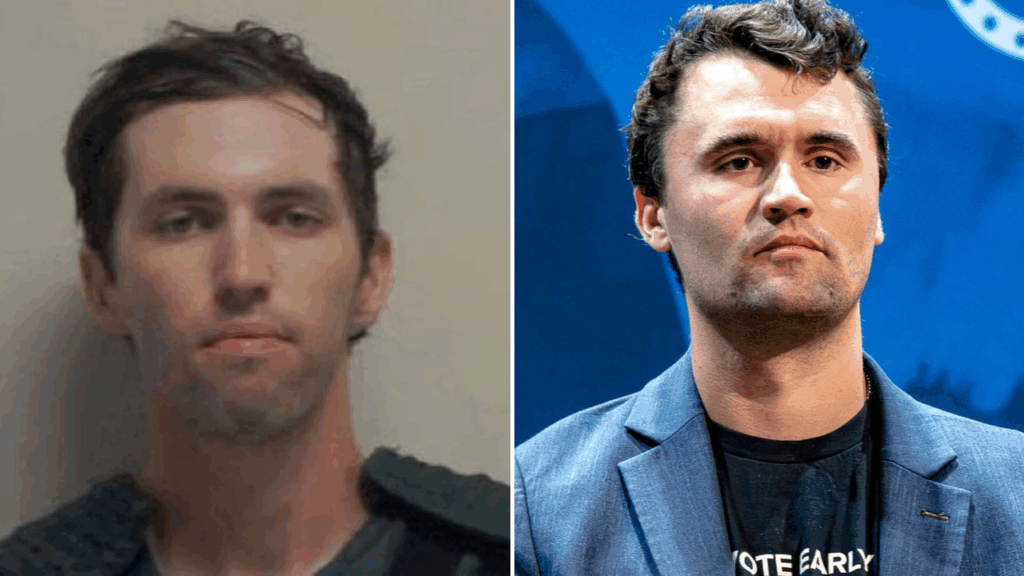
The assassination of conservative activist Charlie Kirk has taken on a symbolic dimension after investigators revealed that one of the bullet casings tied to his accused killer, Tyler Robinson, carried lyrics from the famous Italian resistance song Bella Ciao. The discovery has reignited debate over the cultural and political weight of the anthem, which has moved from 19th-century protest fields to World War II battlefronts to Netflix and video game soundtracks.
Why was Bella Ciao found on the bullet casing?
Utah Governor Spencer Cox confirmed on September 12 that investigators recovered an unfired casing inscribed with the phrase: “O bella ciao, bella ciao.” Other casings carried messages ranging from the threatening (“Hey fascist! Catch!”) to the absurd and meme-inspired (“Notices bulge, OwO what’s this?”).
The inscriptions suggest Robinson intended to embed ideological and ironic internet references into the crime scene. By invoking Bella Ciao, he linked himself, at least symbolically, to a long tradition of resistance against authoritarianism, though the full extent of his motives remains under investigation.
The origins of Bella Ciao
- 19th century beginnings: Originally sung by rice paddy workers in northern Italy to protest harsh labor conditions.
- World War II transformation: Adopted by Italian partisans resisting Benito Mussolini’s fascist regime and Nazi occupation.
- Liberation Day: Since 1945, sung annually on April 25 to mark the fall of fascism in Italy.
The song became a universal cry of resistance, associated with anti-fascism worldwide.
How pop culture revived the song
While rooted in history, Bella Ciao has surged in global popularity over the last decade:
- Money Heist (La Casa de Papel): The Netflix hit (2017–2021) made the song a rallying cry against corrupt systems, with modern covers like Becky G’s version amplifying its reach.
- Video games: Featured in Far Cry 6 (2021), where its use reinforced themes of rebellion against dictatorship.
- Global protests: Chanted by demonstrators across Europe, from Italian trade unionists in 2023 taunting PM Giorgia Meloni to members of the European Parliament pushing back against Hungarian leader Viktor Orbán.
Its adaptability — from resistance hymn to protest anthem to streaming-era pop hit — explains why it remains potent across generations.
Why this matters in the Charlie Kirk case
By engraving Bella Ciao onto his ammunition, Robinson may have been signaling that he saw himself as part of a broader ideological battle. The move blurs lines between historical anti-fascism, internet meme culture, and contemporary political violence.
For Kirk’s supporters, the use of such symbols adds weight to claims that the assassination was politically motivated. For critics, it raises questions about how radicalized individuals selectively adopt cultural references to justify violence.
Tyler Robinson and the investigation
- Robinson, a 22-year-old Utah apprentice and registered Republican, is accused of fatally shooting Charlie Kirk with a sniper rifle on September 10 during a Turning Point USA event at Utah Valley University.
- He was arrested within 33 hours after confessing to his father, who alerted authorities.
- While Governor Cox has said Robinson likely acted alone, the FBI is still reviewing surveillance footage suggesting a second figure may have been present.
The discovery of Bella Ciao etched into a casing ensures that Robinson’s actions will be remembered not only as an act of violence but as one that deliberately drew from symbolic traditions of resistance, however distorted in application.