TL;DR:
President Donald Trump says his executive order ending birthright citizenship for children of undocumented immigrants and temporary visitors reflects the original intent of the 14th Amendment. The Supreme Court will decide next summer whether the policy stands.
What Trump Says Birthright Citizenship Was Originally Meant For
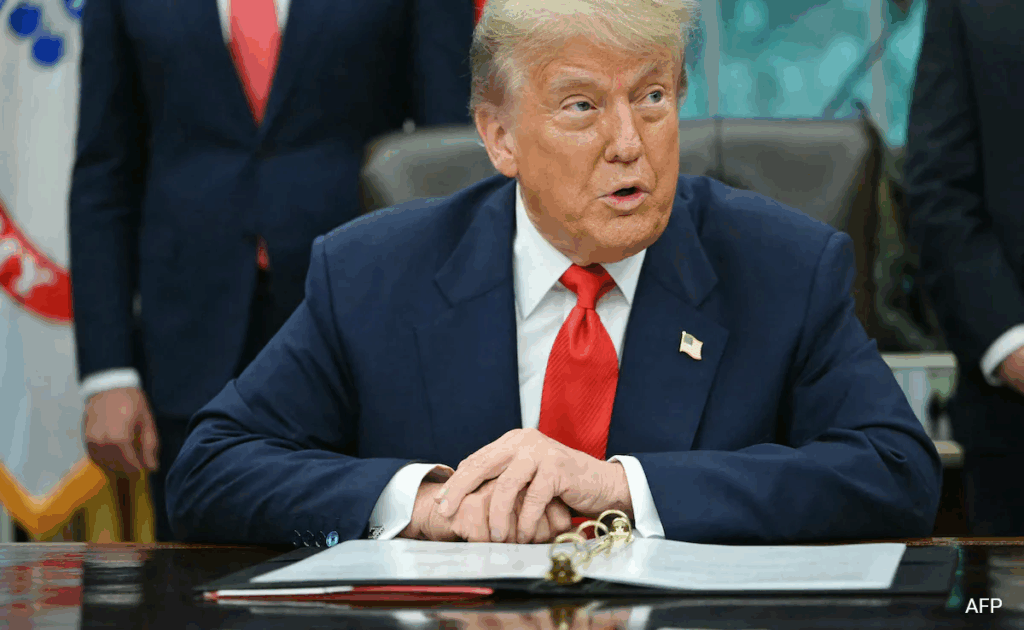
President Donald Trump is standing firmly behind his executive order targeting birthright citizenship, arguing that the 14th Amendment has been “misapplied” for decades.
In a new interview with Politico, Trump said the amendment was written after the Civil War to secure citizenship for formerly enslaved people—not for children born to tourists, temporary visa holders, or undocumented immigrants.
“That case was not meant for some rich person coming from another country, putting a foot in our country, and all of a sudden their whole family becomes United States citizens,” Trump said.
The president framed his move as both a constitutional correction and a financial necessity.
Why Trump Says the Change Is Necessary
Trump argues that the U.S. “cannot afford to house millions” of people who, in his view, gain legal status through a loophole created by birthright citizenship.
He linked his reasoning to the historical context of the 14th Amendment.
“It was meant for the babies of slaves,” Trump said, adding that the amendment’s dates and drafting history “all had to do with the Civil War and the ending of the Civil War.”
The president warned that losing the upcoming Supreme Court case would be “devastating” for the country.
How Trump’s Executive Order Sparked a Legal Firestorm
In January 2025, Trump signed an executive order ending birthright citizenship for U.S.-born children of:
- undocumented immigrants
- temporary visitors
- international students
- work-visa holders
The order upended 150+ years of legal interpretation and triggered a wave of lawsuits.
Multiple federal courts issued temporary blocks. But in June, the Supreme Court ruled that lower courts cannot issue nationwide injunctions against presidential orders like this one. That decision allowed Trump’s policy to move forward while legal challenges continue—setting up a direct path to the high court.
The Supreme Court Is Now Taking the Case
On December 5, the Supreme Court agreed to hear an appeal that will determine the future of birthright citizenship. A ruling is expected next summer, and legal scholars say it could become one of the most consequential immigration decisions in modern history.
The key legal question: Does the 14th Amendment guarantee citizenship to all babies born in the United States, regardless of their parents’ immigration status?
For over a century, the answer has been yes.
The Trump administration argues otherwise.
The Heart of the Debate: The 14th Amendment’s Citizenship Clause
The Citizenship Clause states:
“All persons born or naturalised in the United States, and subject to the jurisdiction thereof, are citizens of the United States…”
Ratified in 1868, the clause was designed to overturn the Dred Scott ruling and ensure citizenship for formerly enslaved people.
For generations, courts and legal experts have interpreted “subject to the jurisdiction thereof” broadly—meaning nearly everyone born on U.S. soil is a citizen.
The Trump administration claims the phrase should be read more narrowly. Under their interpretation, children of undocumented immigrants, or of people in the country on temporary visas, are not “subject to the jurisdiction” in the constitutional sense.
Why the Stakes Are High
The Supreme Court’s ruling won’t just determine the status of future U.S.-born children—it could reshape immigration law, redefine constitutional protections, and influence millions of families.
The decision is also expected to set limits (or affirm powers) on what a president can do through executive action in the immigration arena.
The outcome will echo far beyond the 2025 order.