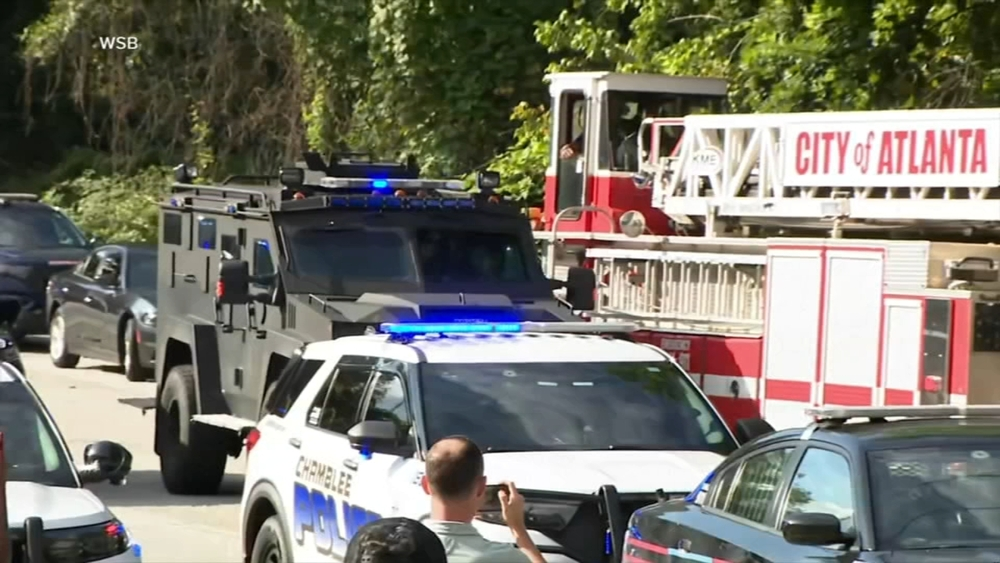
Atlanta attack leaves CDC campus damaged, staff shaken, and questions over public health safety
An armed attack on the U.S. Centers for Disease Control and Prevention (CDC) headquarters in Atlanta has left a police officer dead, damaged multiple buildings, and reignited debate over the safety of public health workers in an era of rising vaccine misinformation.
Authorities say Patrick Joseph White, 30, from Georgia, fired more than 180 bullets into the CDC campus on Friday, breaking around 150 windows, some of them “blast-resistant,” before moving on to a nearby pharmacy. White, who blamed the COVID-19 vaccine for making him depressed and suicidal, was stopped by CDC security but later died. Officials have not confirmed whether he was killed by police or took his own life.
Timeline of the attack
1. Friday afternoon
- White opened fire at the CDC headquarters in Atlanta, targeting at least four buildings.
- His shots pierced reinforced glass, sending shards into workspaces.
- Officer David Rose, with the DeKalb County Police Department, was killed during the incident.
2. Aftermath on campus
- Building 21, home to CDC Director Susan Monarez’s office, was struck the most. Officials did not confirm if her office itself was hit.
- Security personnel urged all CDC employees to work from home this week while repairs and investigations continue.
3. Second shooting site
- After leaving the CDC, White drove to a nearby pharmacy and opened fire again before being neutralized.
Federal response
U.S. Health Secretary Robert F. Kennedy Jr. toured the damaged CDC campus Monday, accompanied by Deputy Secretary Jim O’Neill and CDC Director Monarez. They also visited the DeKalb County Police Department and met privately with Officer Rose’s widow.
Kennedy, a former leader in the national anti-vaccine movement, issued a statement saying:
“No one should face violence while working to protect the health of others.
CDC staff demand stronger protections
Unionized CDC employees are calling for:
- Heavily armed guards
- Bulletproof glass
- A more effective alert system
- Expanded evacuation plans for disabled and vulnerable staff
Many current and former employees fear the incident will deter young scientists from joining public health service.
“I’m concerned that this is going to be a generational hit,” said Stephan Monroe, a retired CDC official.
The role of vaccine misinformation
The shooter’s reported grievances against the COVID-19 vaccine have drawn attention to how misinformation can escalate into violence.
Tim Young, a retired CDC employee, said:
“Years of false rhetoric about vaccines and public health was bound to take a toll on people’s mental health, and leads to violence.”
Former U.S. Surgeon General Dr. Jerome Adams urged public figures to recognize the influence of their words:
“When you make claims that have been proven false time and time again about the safety and efficacy of vaccines, that can cause unintended consequences.”
A climate of fear for public health workers
Yolanda Jacobs, president of Local 2883 of the American Federation of Government Employees, said CDC staff are now avoiding uniforms and public identification to reduce risks.
Once proud to be approached by neighbors with health questions, she says employees now worry about who they’re speaking to and what misinformation they may have absorbed.
What’s next?
Investigators are working to piece together the shooter’s final hours and determine whether he acted alone. Meanwhile, CDC leadership is reassessing campus security protocols to prevent future incidents.
The full cost of repairs, and the emotional toll on staff, may take months to measure.