
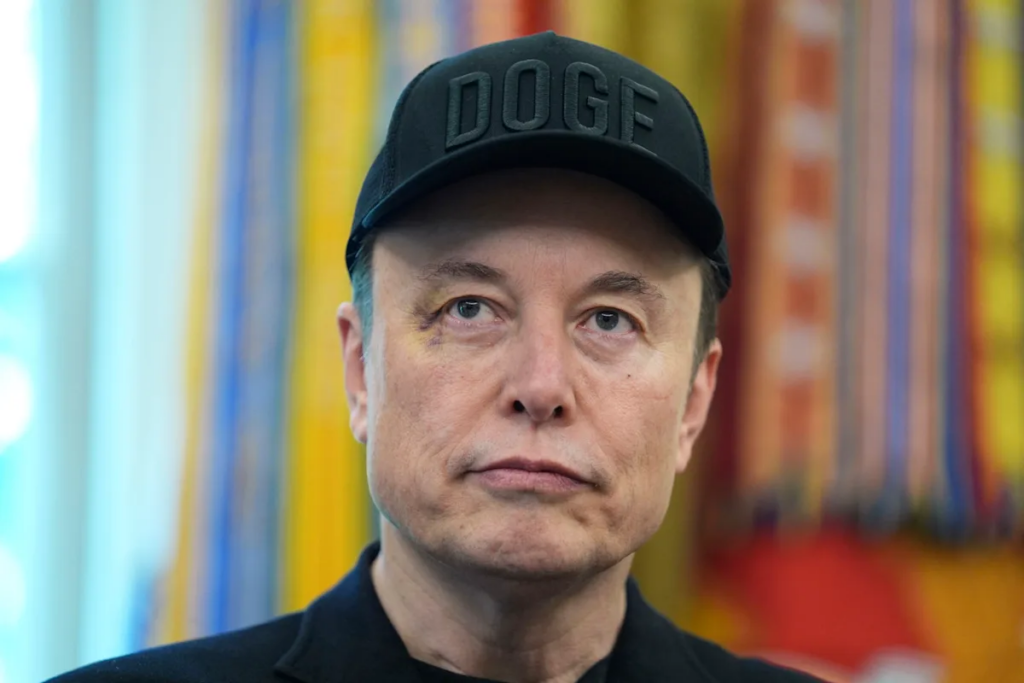
Elon Musk has offered to cover legal costs for victims of Jeffrey Epstein who publicly identify alleged perpetrators, a statement that arrived shortly after a Super Bowl commercial featuring survivors aired nationwide. The promise instantly drew attention, not only because of the timing, but also because Elon Musk himself appears in newly released Epstein-related documents.
The billionaire’s pledge places him at the center of a sensitive legal and cultural moment: accountability claims are gaining renewed visibility while past associations involving powerful figures are being reexamined.
What Elon Musk said about paying legal fees
Musk responded to an online discussion about whether survivors risk lawsuits if they name individuals connected to Epstein. His message was direct: he would finance legal defense for anyone sued after speaking publicly.
The statement followed a debate sparked by commentator Matt Walsh, who questioned why alleged names were not disclosed through congressional protections. Musk’s reply reframed the issue around personal risk and deterrence.
Why lawsuits are a real concern for accusers
Defamation law in the United States can create significant financial risk. Even when claims are truthful, legal battles can cost hundreds of thousands of dollars before courts determine liability.
For victims, that reality often creates a second barrier after trauma:
- Potential countersuits from wealthy defendants
- Lengthy litigation timelines
- High attorney costs
- Public scrutiny during proceedings
Musk’s proposal attempts to remove the financial threat, at least for those willing to come forward publicly.
Why the Super Bowl ad changed the conversation
The Super Bowl audience routinely exceeds 100 million viewers, turning any message aired during the broadcast into national discourse within minutes. The advertisement featuring Epstein survivors renewed attention on the broader network of alleged enablers rather than only the convicted trafficker.
The ad’s placement matters. High-visibility moments historically reshape legal momentum because they:
- Increase public awareness
- Encourage additional witnesses to come forward
- Pressure institutions to respond
- Accelerate investigative journalism
How Musk’s own mentions in Epstein files complicate the pledge
Court-released Epstein records include references to Elon Musk in communication logs. Elon Musk has repeatedly denied visiting Epstein’s island or participating in wrongdoing. He previously supported releasing the files, describing them as necessary for transparency.
However, the documents also contain reported instances in which Epstein invited Musk to gatherings. Musk has characterized allegations tying him to Epstein’s activities as a smear campaign.
The difference between appearing in records and being accused
Large social circles around Epstein included politicians, financiers, academics, and celebrities. Being listed in contact logs does not by itself indicate criminal conduct. Legal relevance depends on evidence of participation, knowledge, or facilitation.
This distinction matters because public discussion often merges three separate categories:
- Individuals convicted of crimes
- Individuals accused in testimony
- Individuals who had documented contact but no allegations
Understanding these differences helps explain why file releases generate both accountability demands and reputational disputes.
The broader debate: individual perpetrators vs enabling networks
The renewed focus on Epstein has expanded beyond personal misconduct to structural responsibility. Survivors and investigators have long argued that the operation required institutional tolerance.
Key questions driving the debate include:
- Who maintained relationships after Epstein’s conviction
- Which organizations continued business ties
- Whether warning signs were ignored
- How power imbalances silenced victims
Several high-profile figures have been named in testimony over the years, and many deny wrongdoing. Courts, not public opinion, ultimately determine legal responsibility.
Why Musk’s offer could matter legally
Financial backing changes the incentives around disclosure.
Potential effects
- More civil cases filed
- More sworn testimony
- Greater discovery of documents
- Increased settlements or dismissals based on evidence
Legal analysts often note that litigation pressure uncovers information faster than investigations alone because civil discovery allows subpoenas for communications and financial records.
What happens next
Three developments will likely determine the impact of Musk’s pledge:
- Whether victims publicly accept the offer
- Whether lawsuits follow naming allegations
- Whether courts allow broader document disclosure
If multiple cases proceed, legal discovery could become the central mechanism for uncovering new information rather than document dumps alone.
TL;DR
- Elon Musk offered to pay legal defense costs for Epstein victims who speak publicly
- The pledge came after a Super Bowl advertisement amplified survivor voices
- Musk himself appears in Epstein contact records but denies wrongdoing
- The offer could encourage more lawsuits, leading to new evidence through discovery
- The case is shifting from individual accountability to systemic scrutiny