
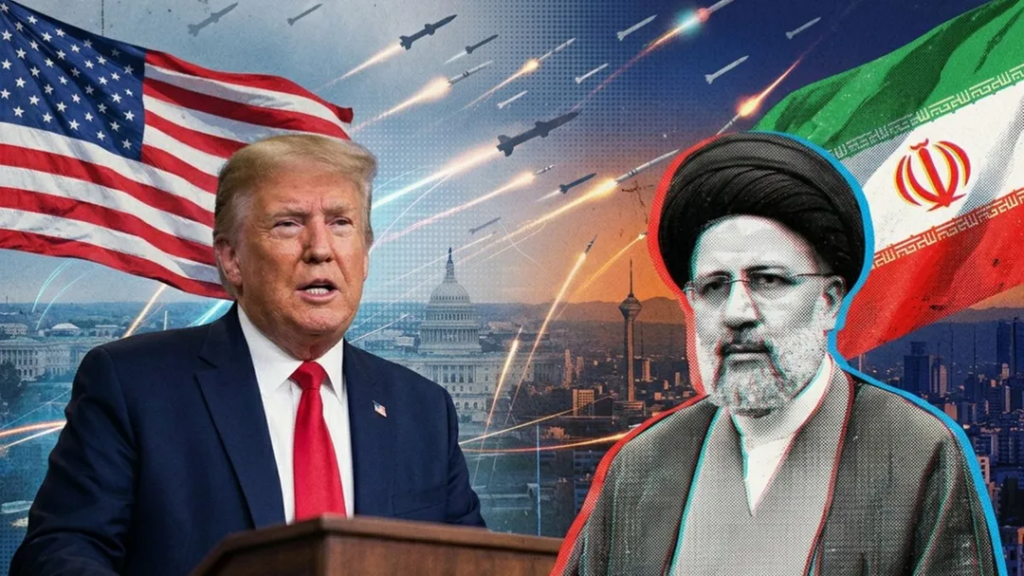
A fragile diplomatic opening may be emerging between the United States and Iran after months of military escalation, economic disruption, and fears of a wider regional war. According to reports from Reuters and Axios, negotiators are discussing a one-page memo of understanding, or MOU, containing 14 key points designed to halt hostilities and create a pathway toward a broader nuclear agreement.
The proposed framework remains unofficial and incomplete. No final agreement has been announced, and Iranian officials have publicly signaled caution. Still, diplomats reportedly view this as the closest Washington and Tehran have come to a breakthrough since the conflict escalated.
At the center of the talks lies a familiar but extraordinarily difficult equation: sanctions relief in exchange for nuclear restrictions.
What is the reported US-Iran memo?
The draft document is reportedly not a full peace treaty or permanent nuclear accord.
Instead, it functions as a temporary diplomatic bridge meant to:
- End active military escalation
- Establish a 30-day negotiation window
- Freeze the most dangerous points of conflict
- Create conditions for a larger long-term agreement
The strategy appears designed to lower immediate tensions without forcing either side into politically risky concessions too quickly.
That matters because both governments face internal divisions and enormous pressure from hardliners.
What are the key provisions in the reported 14-point framework?
While the complete text has not been publicly released, reports suggest the proposed memo includes several major provisions.
Iran would pause uranium enrichment
One of the most important provisions reportedly involves Iran agreeing to a moratorium on uranium enrichment.
According to Axios, negotiators are debating how long that pause would last.
Reported proposals include:
- Iran’s earlier offer: 5 years
- US demand: 20 years
- Possible compromise: 12 to 15 years
After the moratorium expires, Iran may reportedly be allowed to enrich uranium again up to 3.67%, the limit established under the original 2015 nuclear deal framework.
That level is generally considered suitable for civilian nuclear energy but far below weapons-grade enrichment.
Why uranium enrichment is the core issue
The entire crisis largely revolves around enrichment capacity.
3.67% < 90%
Weapons-grade uranium typically requires enrichment levels near 90%, while civilian nuclear programs operate at much lower concentrations.
The concern from Washington and its allies is not merely current enrichment levels but how quickly Iran could theoretically move toward weapons capability if restrictions disappeared.
That “breakout time” has become one of the central strategic calculations in the negotiations.
Iran may face expanded inspections
The reported memo also includes stronger international monitoring measures.
Iran would reportedly agree to:
- Enhanced inspections by UN nuclear monitors
- Snap inspections of facilities
- Restrictions on underground nuclear operations
- A commitment not to pursue weaponization activities
These provisions are designed to reassure the international community that Tehran is not secretly advancing toward nuclear weapons capability.
However, inspection regimes have historically been among the most politically sensitive issues inside Iran, where many conservatives view intrusive oversight as a violation of sovereignty.
The US could ease sanctions and release frozen funds
In return, the United States would reportedly begin gradually lifting sanctions imposed on Iran.
The agreement could also unlock billions of dollars in frozen Iranian assets held abroad.
For Tehran, sanctions relief is not symbolic. It is economically existential.
Years of restrictions have severely strained Iran’s:
- Banking system
- Oil exports
- Currency stability
- Foreign investment
- Domestic purchasing power
Any meaningful sanctions rollback could provide critical economic breathing room for the Iranian government.
Why the Strait of Hormuz matters so much
One of the most geopolitically significant elements reportedly involves easing restrictions around the Strait of Hormuz.
The strait is among the world’s most strategically vital shipping lanes because a massive share of global oil and liquefied natural gas exports passes through it.
Even limited disruptions can trigger spikes in:
- Oil prices
- Shipping insurance costs
- Energy market volatility
- Global inflation fears
The recent crisis pushed energy markets into sustained uncertainty because traders feared escalation near the chokepoint.
A reduction in tensions there could stabilize global energy markets significantly.
The proposal reportedly includes removing enriched uranium
One of the most difficult sticking points reportedly involves Iran’s stockpile of highly enriched uranium.
According to reports, the US wants Iran to remove the material from the country entirely.
Possible options under discussion reportedly include transferring it abroad, potentially even to the United States.
That demand remains highly controversial.
Iran has historically resisted surrendering enriched material because it views nuclear capability as both a sovereign right and a strategic deterrent.
Why are the talks happening now
Several factors appear to be pushing both sides toward diplomacy.
The US wants to avoid deeper military entanglement
President Donald Trump has simultaneously projected strength and urgency.
He warned that bombing could resume “at a much higher level and intensity” if talks fail, while also insisting a deal remains “very possible.”
The balancing act reflects a difficult political reality.
Washington wants to pressure Iran without becoming trapped in another prolonged Middle East conflict.
Iran may believe it still holds leverage
Despite facing heavy military pressure, Iranian officials do not appear to believe they are negotiating from weakness.
Iranian Foreign Minister Abbas Araghchi said Tehran would only accept a “fair and comprehensive agreement.”
Meanwhile, Iranian parliamentary speaker Mohammad Bagher Ghalibaf accused Washington of trying to force Iran into surrender through pressure tactics.
That language suggests Iran still sees itself as holding strategic leverage, particularly because:
- Energy markets remain vulnerable
- Regional escalation risks persist
- Western allies want stability
- A prolonged conflict carries global economic consequences
Why this may only be a temporary pause
Even if the memo is finalized, many analysts believe it would represent only a temporary stabilization rather than a permanent solution.
Several major issues would remain unresolved, including:
- Long-term nuclear limits
- Regional proxy conflicts
- Missile programs
- Sanctions permanence
- Verification disputes
- Future US administrations’ commitments
That uncertainty is why diplomats reportedly describe the memo as a framework rather than a final settlement.
The structure resembles a pressure-release valve more than a comprehensive peace accord.
Pakistan and Geneva are emerging as negotiation hubs
Reports indicate future talks could take place in either Islamabad or Geneva.
That detail is notable because it reflects efforts to maintain neutral or diplomatically manageable venues for continued engagement.
Mediators reportedly remain deeply involved as both sides try to avoid direct political humiliation while preserving room for compromise.
The bigger picture: a battle over the future Middle East order
The negotiations are about far more than nuclear enrichment.
At stake is the broader balance of power across the Middle East.
The outcome could shape:
- Gulf security arrangements
- Oil market stability
- Israel-Iran tensions
- US regional influence
- China and Russia’s strategic positioning
- Global energy pricing
That is why even a one-page memo carries enormous geopolitical weight.
TL;DR
The US and Iran are reportedly discussing a 14-point memo aimed at ending recent Middle East hostilities and opening broader nuclear negotiations. The draft framework includes a possible moratorium on Iranian uranium enrichment, expanded inspections, gradual US sanctions relief, release of frozen Iranian funds, and reduced tensions around the Strait of Hormuz. While no final agreement has been reached, diplomats reportedly see the talks as the closest the two sides have come to a breakthrough since the conflict escalated.