
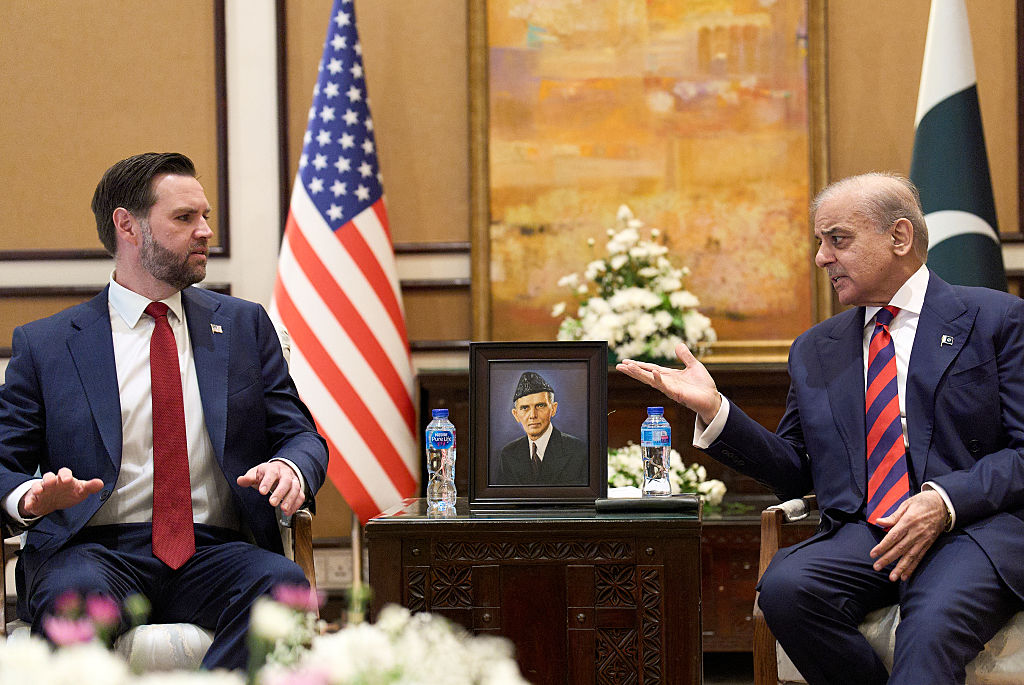
Fresh diplomatic movement suggests a second round of peace talks aimed at ending the Iran–US–Israel conflict could happen within days. While key details remain fluid, early signals from Washington, Tehran, and potential host nations offer a clearer picture of where things stand.
At the center of the moment is Donald Trump’s public optimism that negotiations are “very close” to ending the war, alongside active behind-the-scenes coordination.
Where could the second round of Iran peace talks take place?
Location is more than logistics. It shapes tone, neutrality, and political signaling.
Pakistan is emerging as a leading contender
Pakistan is pushing to host the next round in Islamabad after facilitating the first round of talks.
Trump hinted strongly at this possibility, saying the US is “inclined to go there,” suggesting openness to returning to Islamabad.
Alternative venues under consideration
- Geneva
- Vienna
- Istanbul
These cities are traditional diplomatic hubs, often preferred for neutrality and infrastructure.
Why the venue matters
- Signals neutrality or alignment
- Affects participation comfort levels
- Shapes global perception of the talks
Who is expected to lead the US delegation?
Personnel choices offer insight into strategy.
Likely US negotiation team
- JD Vance – expected to lead talks
- Steve Witkoff
- Jared Kushner
Notably, Marco Rubio may not be physically present, though he remains involved in coordination.
Why Vance’s role matters
Reports suggest Iran prefers dealing directly with Vance, viewing him as a more pragmatic negotiator. That perception could shape the tone and pace of discussions.
What are the main issues on the table?
The talks aim to move beyond a fragile ceasefire and tackle deeper structural tensions.
Core negotiation points
- Iran’s nuclear programme
- US sanctions on Iran
- Security of the Strait of Hormuz
- Broader regional de-escalation, including Israel–Hezbollah tensions
Each issue is complex on its own. Together, they form a tightly linked negotiation puzzle.
Why did the first round of talks fail?
The first round in Islamabad lasted more than 21 hours but ended without a deal.
Key sticking points
- Iran’s refusal to fully abandon nuclear ambitions
- US insistence on strict “red lines,” including zero enrichment
- Disagreements over sequencing: concessions vs sanctions relief
Despite being described as “substantive,” the talks collapsed under the weight of these unresolved differences.
What happened immediately after
In a sharp escalation, the US announced a naval blockade on Iranian ports, disrupting movement through the Strait of Hormuz.
That move underscored a pattern: diplomacy and pressure unfolding simultaneously.
When could the second round happen?
Timing remains uncertain, but momentum is building.
What we know
- Talks are described as “imminent”
- Some officials point to April 17 as a possible date
- Trump has indicated progress could come “within days”
In fast-moving diplomatic scenarios, timelines can shift quickly. Still, the urgency reflects a shared interest in extending the ceasefire before it expires.
How the broader Middle East conflict shapes the talks
The Iran negotiations don’t exist in isolation.
Interconnected conflicts
- Israel–Hezbollah tensions
- US involvement in regional security
- Gulf maritime stability
The US recently hosted delegations from Lebanon and Israel, signaling an attempt to address overlapping conflicts together.
This layered approach increases complexity but may also create leverage across negotiation tracks.
What each side wants
Understanding goals helps explain friction.
US priorities
- Prevent Iran from developing nuclear weapons
- Maintain regional stability
- Secure global energy routes
Iran’s priorities
- Sanctions relief
- Retention of nuclear capabilities (at least partially)
- Recognition of its regional role
These positions are not easily reconciled, which is why even small breakthroughs matter.
Why this round of talks is critical
The second round isn’t just a continuation. It’s a test.
What’s at stake
- Whether the ceasefire holds or collapses
- The future of Iran’s nuclear programme
- Stability in global oil markets
Failure could mean renewed escalation. Success, even partial, could reset the trajectory of the conflict.
What to watch next
As talks approach, several signals will be key:
- Final confirmation of venue
- Official announcement of delegations
- Pre-talk rhetoric from both sides
- Military activity near the Strait of Hormuz
TL;DR
- A second round of Iran–US talks could happen within days
- Pakistan, especially Islamabad, is a leading candidate to host
- JD Vance is expected to lead the US delegation
- Key issues include Iran’s nuclear programme, sanctions, and regional security
- The first round failed due to deep disagreements, but both sides are pushing to resume talks quickly