
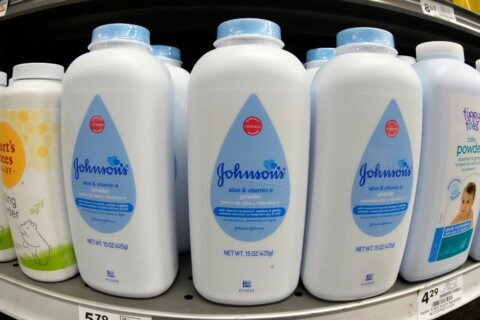
A Minnesota jury has ordered Johnson & Johnson to pay $65.5 million to a 37-year-old mother of three who developed a rare and aggressive cancer after years of using the company’s talcum powder products.
The verdict adds to mounting legal pressure on the healthcare giant as courts across the United States continue to weigh claims that talcum-based powders were contaminated with asbestos and posed serious health risks.
What Did the Minnesota Jury Decide?
After a nearly two-week trial, jurors in Ramsey County District Court found Johnson & Johnson liable for failing to warn consumers about potential asbestos contamination in its talcum products.
Key Details of the Verdict
- Award amount: $65.5 million
- Plaintiff: Anna Jean Houghton Carley, 37
- Diagnosis: Mesothelioma, a cancer linked primarily to asbestos exposure
- Product used: Johnson’s Baby Powder during childhood
Jurors concluded that Johnson & Johnson’s talcum products exposed Carley to asbestos, contributing to cancer in the lining of her lungs.
Who Is the Plaintiff, and What Was Her Claim?
Carley, a Minnesota resident and mother of three, told jurors that her family routinely used Johnson & Johnson baby powder throughout her childhood, unaware of any health risks.
Core Arguments From the Plaintiff’s Side
According to her legal team:
- Johnson & Johnson knew talcum could be contaminated with asbestos
- The company continued to market talc-based powders without adequate warnings
- Consumers were never informed of potential cancer risks
“This case was not about compensation only. It was about truth and accountability,” said Carley’s attorney Ben Braly following the verdict.
How Did Johnson & Johnson Respond?
Johnson & Johnson has strongly disputed the jury’s findings and says it will appeal the verdict.
Company’s Position
Erik Haas, the company’s worldwide vice president of litigation, reiterated Johnson & Johnson’s longstanding defense:
- Its baby powder is safe
- It does not contain asbestos
- It does not cause cancer
“These lawsuits are predicated on junk science,” Haas said, arguing that decades of studies contradict the claims raised in court.
Why Does This Case Matter Nationally?
The Minnesota verdict is not an isolated outcome—it’s part of a much larger legal reckoning.
A Long-Running Talc Litigation Battle
Johnson & Johnson has faced thousands of lawsuits alleging that talc-based products caused:
- Ovarian cancer
- Mesothelioma
Recent verdicts include:
- $40 million awarded earlier this month by a Los Angeles jury to two women with ovarian cancer
- $966 million ordered by a California jury in October to the family of a woman who died of mesothelioma
When Were Talc Products Taken Off the Market?
Mounting legal and scientific scrutiny eventually forced changes to Johnson & Johnson’s product strategy.
Timeline of Product Withdrawal
- 2020: Talc-based baby powder removed from US shelves
- 2023: The Company stopped selling talc-based powder worldwide
Johnson & Johnson now sells cornstarch-based alternatives, which it says are safer and meet regulatory standards.
What Is Mesothelioma, and Why Is Asbestos Central to These Cases?
Mesothelioma is a rare but aggressive cancer that affects the lining of the lungs, abdomen, or heart.
Why Asbestos Matters
- Asbestos is the primary known cause of mesothelioma
- Talc and asbestos are naturally occurring minerals that can be found near each other
- Plaintiffs argue improper mining and testing allowed asbestos to contaminate talc
Defense attorneys maintain that modern testing methods show no asbestos in Johnson & Johnson products.
What Happens Next?
Johnson & Johnson’s appeal could take years to resolve, and the Minnesota ruling may not be the final word.
What to Watch
- Whether appellate courts uphold or overturn recent jury verdicts
- How mounting damages affect Johnson & Johnson’s broader litigation strategy
- Whether additional states see similar jury outcomes
Why This Verdict Signals a Turning Point
Even as Johnson & Johnson insists the science is on its side, juries continue to side with plaintiffs who say they were never warned of potential risks.
For consumers, the case underscores the lasting consequences of product safety decisions made decades earlier. For corporations, it highlights how legacy products can carry legal risks long after they disappear from store shelves.
TL;DR
- A Minnesota jury awarded $65.5 million to a woman with mesothelioma
- Jurors found Johnson & Johnson’s talcum products exposed her to asbestos
- The company plans to appeal and denies any link between talc and cancer
- The verdict follows other multimillion-dollar losses in talc-related cases
- Johnson & Johnson stopped selling talc-based powder globally in 2023