
Quick Summary
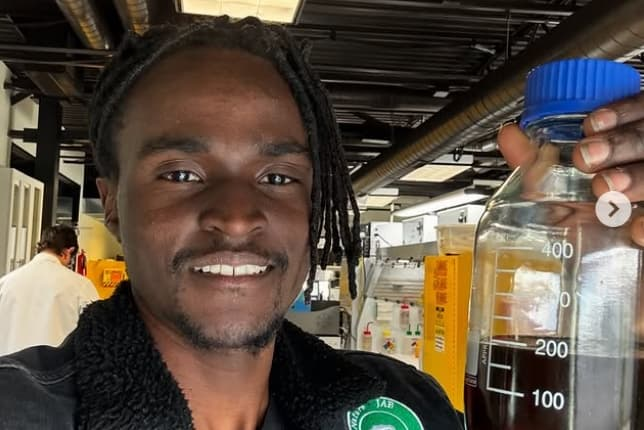
Julian Brown is a 21-year-old inventor from metro Atlanta who achieved viral fame for “Plastoline,” his groundbreaking device that turns plastic waste into fuels like gasoline, diesel, and jet fuel using microwave pyrolysis. As of late July 2025, Brown has been missing for two weeks after posting cryptic warnings on social media about threats to his safety. His disappearance has sparked widespread concern, especially in online communities dedicated to climate and innovation.
What Did Julian Brown Invent?
Julian Brown is best known for Plastoline: a solar-powered microwave pyrolysis reactor that breaks down plastic waste into usable fuels. Unlike traditional recycling or incineration, Plastoline heats plastics in the absence of oxygen, producing cleaner-burning fuels with less carbon output compared to standard recycling methods.
Key Points:
- Microwave Pyrolysis: Converts plastics to gasoline, diesel, or jet fuel.
- Cleaner Output: Supposedly generates less pollution than conventional recycling or burning.
- DIY Innovation: Brown built and demonstrated the device in his backyard, sharing experiments and videos on TikTok and Instagram, amassing millions of followers.
Why Did Julian Brown Go Viral?
- Disruption Potential: His invention promised to revolutionize waste management and sustainable energy, drawing both grassroots and mainstream attention.
- Social Media Presence: Under the handle “Naturejab,” Brown regularly posted experiment updates, going viral with live fuel demonstrations and test successes.
- Fundraising & Advocacy: He launched a $1 million GoFundMe campaign to scale his project, positioning himself as an advocate for climate solutions through entrepreneurship.
What Happened to Julian Brown?
Brown was last seen online on July 9, 2025. In a series of posts and videos leading up to his disappearance, he warned followers of “very, very odd stuff” happening to him and stated he was “certainly under attack.” His final message implored, “Something is happening, keep me in your prayers, please SCREEN RECORD THIS. I don’t know.”
Many online believe his vanishing could be linked to the disruptive potential of his invention. He had previously claimed to be stalked and expressed fears about surveillance, including references to “black helicopters” over his home. There is no official confirmation from authorities or mainstream media about his whereabouts, but concerned followers have tagged the FBI and circulated his story with hashtags like #WheresJulianBrown.
Who is Julian Brown? His Background in Brief
- Origins: Born in Tennessee, raised in Alabama, moved to Atlanta. Started welding at 17 to build his own prototypes.
- Education and Recognition: Holds a 776 Foundation Climate Fellowship. His companies, NatureJab and Jab’s Pyrolysis & Energy Recovery, focus on green innovation.
- Mission: Brown’s ethos—“There will be no such thing as plastic waste—only untapped energy”—was shaped by a lifelong desire to turn global problems into solutions. He has stated, “If we immediately give up in our own minds before we even begin to find a solution, then how are we gonna get anywhere?”.
Did Plastoline Actually Work?
In early 2025, Brown’s recycled diesel was tested at ASAP Labs in Washington. Though initially met with skepticism, his fuel was confirmed to burn cleaner than conventional diesel. While some questioned the viability and safety of DIY “backyard” fuel, third-party tests and public demos reinforced its potential.
Social and Industry Impact
- Net Zero Aspirations: If viable at scale, Plastoline could help address both plastic waste and dependence on fossil fuels, making recycling profitable and practical.
- Social Justice Narrative: Brown’s story also highlights the underrepresentation of Black innovators in climate tech—a point many followers raise following his disappearance.
- Community Response: Grassroots campaigns and prominent activists have called for official investigations into Brown’s well-being, citing past incidents of Black alternative energy pioneers facing risk.