
What happened in Arizona?
A tragic death from pneumonic plague in Northern Arizona has renewed public fears about the reemergence of one of history’s most infamous diseases, the Black Death. Health officials in Coconino County confirmed on July 11 that a patient succumbed to the disease at Flagstaff Medical Center, marking the first recorded death from plague in the area since 2007.
According to Northern Arizona Healthcare (NAH), the patient tested positive for Yersinia pestis, the bacterium that causes plague, following a rapid diagnostic test. Despite receiving initial treatment and life-saving resuscitation efforts, the patient did not survive.
What is plague, and why is it so feared?
Plague is a zoonotic disease caused by the bacterium Yersinia pestis, historically responsible for the Black Death pandemic in the 14th century that wiped out nearly one-third of Europe’s population. While plague is now treatable with modern antibiotics, delayed diagnosis can still result in severe outcomes, including death.
There are three clinical forms of plague:
1. Pneumonic plague (as in the Arizona case)
- Affects the lungs.
- Can be transmitted between humans via airborne droplets.
- Symptoms: Rapid-onset fever, cough (often with bloody mucus), chest pain, and shortness of breath.
- Most lethal form if not treated within 24 hours of symptom onset.
2. Bubonic plague
- Most common form.
- Transmitted via infected flea bites.
- Symptoms: Swollen, painful lymph nodes (buboes), fever, chills, weakness.
- Incubation: 2–8 days.
3. Septicaemic plague
- Blood infection.
- Can result from untreated bubonic plague.
- Symptoms: Abdominal pain, bleeding into skin/organs, blackened extremities.
- Often fatal without immediate care.
How is plague transmitted in the modern era?
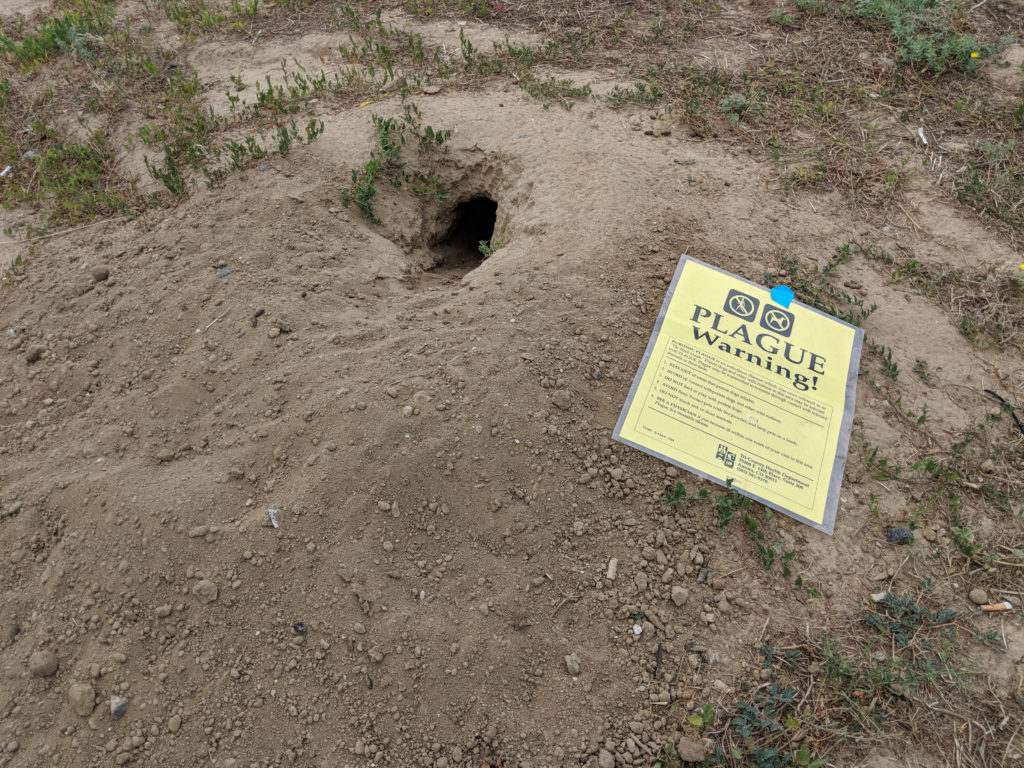
Modern outbreaks of plague typically stem from wild rodents, such as rats, prairie dogs, or squirrels, and the fleas that infest them. Human infections occur when:
- A person is bitten by an infected flea.
- Handling infected animals.
- Inhaling droplets from a person (or animal) infected with pneumonic plague.
In this Arizona case, officials have not yet disclosed how the individual was exposed, though prior local incidents involved contact with infected animals.
Is plague spreading in the United States?
Currently, there is no evidence of a wider outbreak, and officials have not confirmed any additional infections in the region. The Centers for Disease Control and Prevention (CDC) tracks plague cases nationwide. On average, the U.S. reports 1 to 17 cases per year, primarily in Western states like:
- Arizona
- New Mexico
- Colorado
- California
These cases are typically isolated and contained, thanks to rapid treatment with antibiotics and effective public health measures.
Notable plague-related events in recent decades:
- 2015: Two deaths in Colorado due to plague, linked to prairie dog exposure.
- 2020: A squirrel tested positive for plague in Colorado, leading to park closures.
- 2021: A 10-year-old in Colorado died from plague contracted from fleas.
How can the public protect itself?
While plague is rare and treatable, it remains endemic in some U.S. regions, particularly the Southwest. Health officials recommend the following precautions:
- Avoid contact with wild rodents and their nests.
- Do not touch dead animals.
- Use insect repellents when hiking or camping.
- Keep pets flea-free and restrict their access to wildlife.
- Seek immediate medical care if symptoms develop after potential exposure.
Are health authorities concerned about a wider outbreak?
As of now, no public health emergency has been declared. The Coconino County Health Department and CDC are monitoring the situation and conducting contact tracing where necessary.
Experts say modern medicine, public awareness, and surveillance make widespread outbreaks unlikely. That said, the case serves as a vital reminder that ancient diseases can still pose a modern threat, particularly in regions where wildlife vectors are active.
What comes next?
Officials are expected to continue investigating the source of infection, monitor for secondary transmissions, and educate the local community. As of this writing, there are no additional confirmed cases linked to this incident.
The Centers for Disease Control advises the public not to panic but to stay informed and practice standard precautions in plague-endemic regions.
An Arizona resident has died from pneumonic plague, the deadliest and only contagious form of the disease historically known as the Black Death. Though tragic, the case appears isolated. Officials urge caution but stress that plague remains rare and treatable with early antibiotics. No broader outbreak has been reported.