
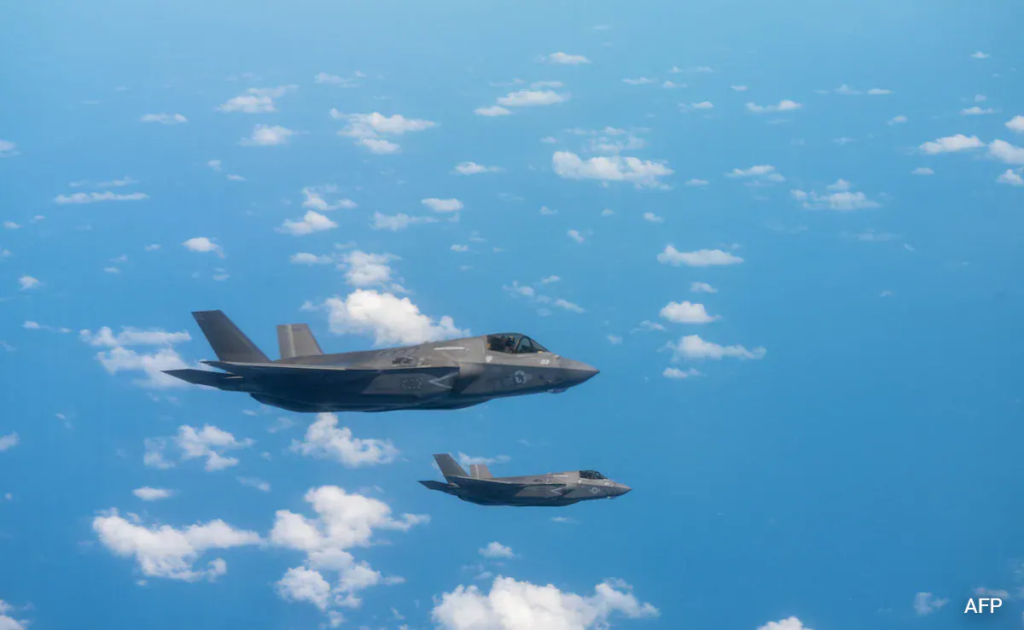
As U.S. and Iranian forces search for a missing crew member from a downed F-15 inside Iranian territory, attention has turned to a little-known but critical aspect of military aviation: SERE training. Short for Survival, Evasion, Resistance, and Escape, SERE is the playbook that guides pilots through their most dangerous scenario, being stranded in hostile territory.
With reports that one crew member has already been rescued while another remains missing, military experts say the outcome may hinge on how effectively that training is applied under pressure.
What Is SERE Training and Why Does It Matter?
SERE training prepares military personnel, especially pilots, to survive if they are isolated behind enemy lines. It’s not theoretical. It’s built on decades of real-world conflicts where capture or death was a constant risk.
Retired U.S. Air Force Brigadier General Houston Cantwell describes SERE as something that “kicks in” even before a pilot hits the ground. The goal is simple: stay alive, avoid capture, and make it back.
The Four Pillars of SERE
- Survival: Managing injuries, finding food and water, and enduring harsh environments
- Evasion: Avoiding detection by enemy forces
- Resistance: Withstanding interrogation or exploitation if captured
- Escape: Finding opportunities to break free and return to friendly forces
Why it matters: In modern warfare, recovery isn’t guaranteed. Pilots may be alone for hours—or days—before rescue.
What Happens After Ejection?
The moment a pilot ejects is chaotic. But according to experts, it’s also when some of the most important decisions are made.
Assessing the Terrain Mid-Air
Cantwell notes that pilots are trained to scan their surroundings while descending by parachute. This brief window offers a tactical advantage.
- Identify safe landing zones
- Avoid visible enemy positions
- Spot natural cover like forests, hills, or structures
“Your best view of where you may want to go or avoid is while you’re coming down,” Cantwell explained.
Landing: The First Real Risk
Landing isn’t just the end of the fall—it’s often the beginning of survival challenges.
Pilots may suffer:
- Fractures
- Sprains
- Disorientation
That’s why the first step after landing is a rapid self-assessment:
- Can I move?
- Am I bleeding?
- Do I have my survival kit?
This moment determines whether the pilot can relocate or must stay hidden.
How Do Pilots Survive on the Ground?
Once grounded, the situation becomes a mix of stealth, endurance, and strategy.
Priorities Immediately After Landing
- Check physical condition
- Secure gear and weapons
- Move to concealment quickly
Cantwell emphasises one key principle: avoid capture at all costs.
Finding Water and Staying Alive
In environments like deserts—similar to large parts of Iran—water becomes critical.
- Pilots are trained to locate natural sources
- Some survival kits include purification tools
- Movement is minimised during the day to conserve energy
Moving Without Being Seen
Evasion is where SERE training becomes highly tactical.
- Travel at night to reduce visibility
- Use terrain for cover
- Avoid roads, open fields, and populated areas
“Concealment is key,” Cantwell said. “You don’t want to be captured.”
Choosing an Extraction Point
Pilots aren’t just hiding—they’re trying to be found by the right people.
Ideal extraction zones include:
- Open fields
- Rooftops
- Clearings visible from the air
These locations allow rescue teams to move in quickly once contact is established.
How Combat Search and Rescue (CSAR) Works
While the pilot is evading capture, a parallel operation is already underway.
Retired Master Sergeant Scott Fales explains that rescue missions are planned even before takeoff.
What Happens When a Jet Goes Down?
The response is immediate:
- CSAR teams are activated
- Intelligence gathering begins
- Aircraft, drones, and satellites scan the area
Tools Used to Locate Pilots
- Drones: Provide real-time visuals
- Satellites: Track movement and heat signatures
- Human intelligence: Local sources and intercepts
The Rescue Operation
Once a location is confirmed, the rescue unfolds in stages:
- Verification: Confirm the individual is the missing pilot
- Medical assessment: Treat injuries if needed
- Extraction decision:
- Immediate evacuation
- Stabilization first, then evacuation
Timing is everything. Move too fast, and you risk exposure. Move too slowly, and the pilot’s condition may worsen.
Why SERE Training Still Works in Modern Warfare
Despite advances in surveillance and weaponry, the fundamentals of SERE remain unchanged.
The Human Factor
Technology can help locate a pilot, but survival often comes down to:
- Mental resilience
- Decision-making under stress
- Physical endurance
SERE training builds these traits through realistic simulations, including mock captivity and survival scenarios.
Real-World Relevance
Incidents like this highlight why SERE is still essential:
- Airspace conflicts are increasing
- Missions often occur in hostile or unfamiliar terrain
- Rescue timelines can be unpredictable
What Are the Chances of Survival?
Experts remain cautiously optimistic in cases like this.
If a pilot:
- Successfully evades detection
- Maintains mobility
- Establishes communication
…the odds of recovery improve significantly.
However, risks remain high:
- Hostile forces
- Harsh terrain
- Limited resources
TL;DR
- SERE training prepares pilots to survive after being downed in enemy territory
- Key steps include evasion, concealment, and finding extraction points
- CSAR teams begin rescue operations immediately, using drones and intelligence
- Survival depends on both training and real-time decision-making
- Current events underscore the ongoing importance of SERE in modern warfare