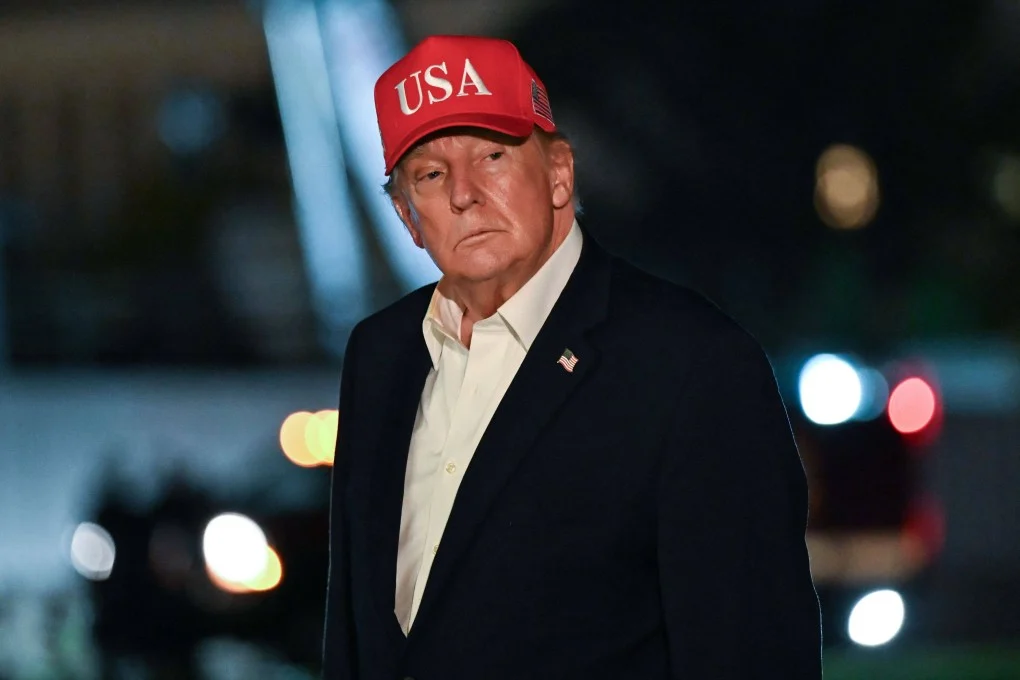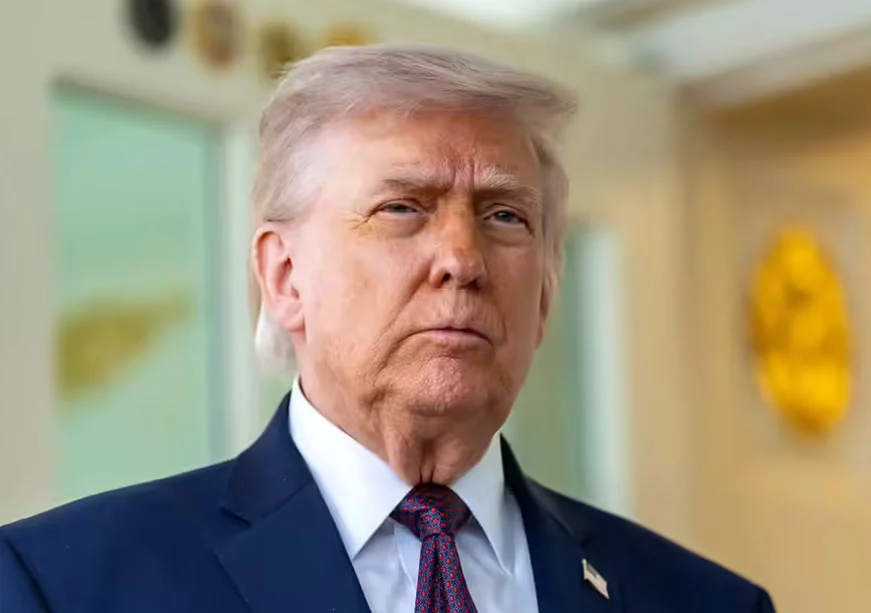
President Donald Trump has abandoned plans to impose a 20% transit fee on commercial ships passing through the Strait of Hormuz, opting instead for investment agreements with Gulf nations. At the same time, he announced a full naval blockade targeting Iranian shipping, marking another escalation in the ongoing confrontation with Tehran.
The move signals a shift in U.S. strategy—from charging global shipping companies to focusing economic and military pressure directly on Iran while strengthening ties with Gulf allies.
Why did Trump withdraw the 20% Hormuz transit fee?
Just a day after proposing a transit fee for vessels using the Strait of Hormuz, Trump reversed course.
In a post on Truth Social, he said the decision followed “highly productive conversations with Middle East leadership.” Rather than collecting fees from international shipping companies, the administration said Gulf countries would expand trade and investment partnerships with the United States.
Trump argued that these investments would:
- Increase manufacturing in the United States.
- Create millions of high-paying American jobs.
- Strengthen long-term economic ties with Gulf allies.
- Eliminate the need for transit charges on commercial vessels.
The reversal removes a measure that had raised concerns among shipping companies and energy markets about higher transportation costs through one of the world’s busiest maritime chokepoints.
What is the new blockade on Iran?
Although the transit fee has been scrapped, the administration has significantly expanded military pressure on Iran.
According to Trump’s announcement, the United States will enforce a full naval blockade targeting:
- Ships entering Iranian ports.
- Ships departing Iranian ports.
- Vessels carrying Iranian cargo.
- Commercial traffic directly connected to Iranian trade.
Trump emphasized that the Strait of Hormuz would remain open to vessels from other countries while restricting maritime commerce linked to Iran.
The announcement follows previous U.S. statements describing freedom of navigation for international shipping as a strategic priority while increasing sanctions and military pressure on Tehran.
Why is the Strait of Hormuz so important?
The Strait of Hormuz is one of the world’s most strategically important waterways.
Located between Iran and Oman, it connects the Persian Gulf with the Gulf of Oman and the Arabian Sea.
Its importance comes from the volume of energy exports passing through it.
Every day, millions of barrels of crude oil and liquefied natural gas move through the narrow shipping lane, supplying markets across:
- Asia
- Europe
- North America
Any disruption can quickly influence global energy prices, shipping insurance costs, and financial markets.
Why did the U.S. change its strategy?
The shift appears designed to balance two competing objectives:
Maintain support from Gulf partners
Charging every ship using the Strait could have increased costs for U.S. allies that rely heavily on maritime exports.
Replacing the fee with investment agreements avoids adding new costs while encouraging closer economic cooperation.
Increase pressure on Iran
Instead of taxing global shipping, the administration is concentrating enforcement efforts solely on Iranian trade.
That allows Washington to present itself as protecting freedom of navigation for most countries while tightening economic restrictions on Tehran.
How has Iran responded?
Iran has repeatedly rejected U.S. efforts to control activity in the Strait of Hormuz.
Iranian military officials have previously warned that:
- Foreign interference in the waterway would not be accepted.
- Gulf states should avoid assisting U.S. military operations.
- Iran would continue protecting what it considers its territorial waters.
The latest blockade announcement is likely to further increase tensions between Washington and Tehran.
Could this affect global oil markets?
Potentially, yes.
Even if commercial shipping for non-Iranian cargo continues, markets closely watch any military developments around the Strait because uncertainty alone can affect prices.
Possible consequences include:
- Higher shipping insurance premiums.
- Increased freight costs.
- Short-term volatility in crude oil prices.
- Additional pressure on global energy supply chains if tensions escalate further.
However, the withdrawal of the proposed transit fee removes one source of uncertainty that could have affected all commercial shipping.
What happens next?
Much will depend on how the blockade is implemented in practice.
Key questions remain unanswered, including:
- How broadly the U.S. will define “Iranian cargo.”
- Whether allied navies will participate in enforcement.
- How shipping companies will adjust their routes.
- Whether Iran responds with military or diplomatic measures.
The situation is likely to remain fluid as both sides continue to signal competing claims over one of the world’s most strategically important waterways.
Key takeaways
- Trump has withdrawn the proposed 20% transit fee for ships using the Strait of Hormuz.
- The administration instead plans to deepen investment agreements with Gulf states.
- A full U.S. naval blockade targeting Iranian shipping has been announced.
- Commercial traffic unrelated to Iran is expected to continue through the Strait.
- The policy reflects a shift toward isolating Iran economically while maintaining global energy flows.
- Energy markets and international shipping companies will closely monitor how the blockade is enforced.