
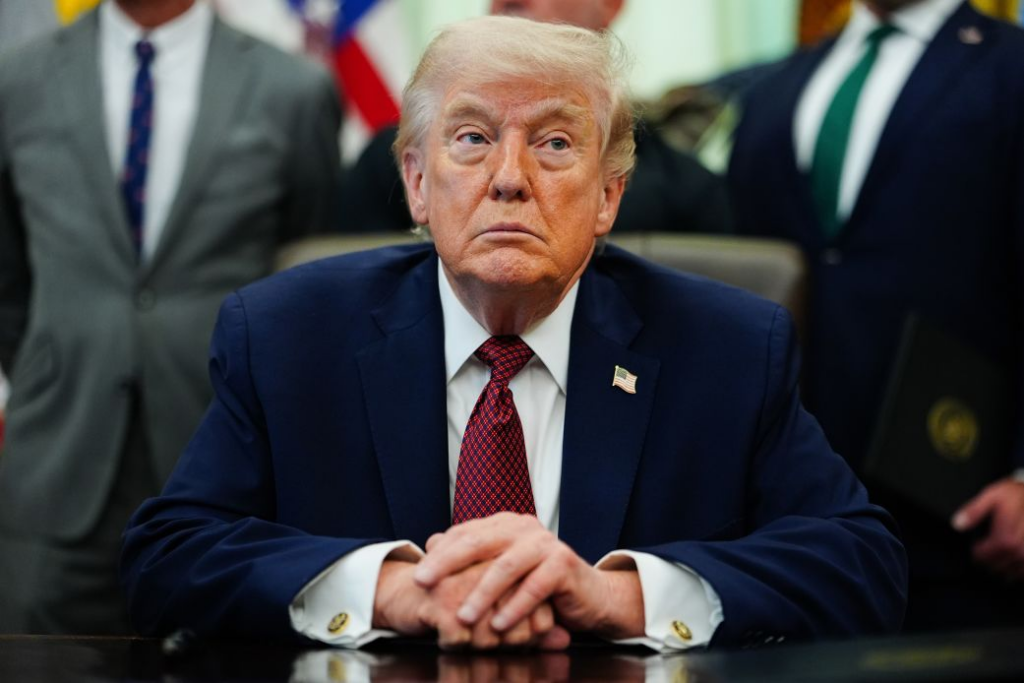
A new and highly charged allegation is making the rounds online: that former President Donald Trump sought to use nuclear codes amid rising tensions with Iran. The claim, made by former CIA analyst Larry Johnson, has fueled speculation and concern—but it remains unverified.
Here’s a clear, fact-based look at what’s being claimed, what’s confirmed, and why it matters.
What Is the Trump Nuclear Codes Claim?
The “Trump nuclear codes claim” refers to an allegation that Donald Trump attempted to authorise the use of nuclear weapons during a recent escalation involving Iran.
The claim originated from Larry Johnson during an appearance on the Judging Freedom podcast. According to Johnson:
- An emergency meeting was allegedly held at the White House.
- Trump reportedly wanted to use nuclear codes.
- The move was opposed by the Chairman of the Joint Chiefs of Staff, General Dan Caine.
- The disagreement was described as a “heated confrontation.”
That’s the entirety of the claim—and it’s important to note that it currently rests on a single, unverified account.
Is There Any Evidence to Support the Claim?
Short answer: No.
There are no confirmed reports, official statements, or credible media coverage supporting the existence of:
- The alleged emergency meeting on April 18
- Any discussion involving nuclear code authorisation
- A confrontation between Trump and senior military officials
The only verified recent Pentagon-related event was a briefing on April 16, where Defence Secretary Pete Hegseth appeared alongside General Caine.
Why This Matters
In national security reporting, especially involving nuclear weapons, verification standards are extremely high. Claims of this magnitude typically leave a trail:
- Multiple independent sources
- Leaks corroborated by major outlets
- Official responses or denials
None of those is present here.
What Did Trump Actually Say About Iran?
While the nuclear claim lacks evidence, Trump’s recent rhetoric toward Iran is well-documented.
Recent Statements Include:
- Threatening a blockade of the Strait of Hormuz
- Warning of severe retaliation if U.S. forces are attacked
- Suggesting U.S. Navy operations could interdict vessels linked to Iran
These statements reflect a hardline stance on:
- Iran’s nuclear ambitions
- Regional military activity
- Maritime control in strategic waterways
Why the Strait of Hormuz Matters
Roughly 20% of the global oil supply passes through this narrow passage. Any disruption could:
- Spike global oil prices
- Trigger wider geopolitical instability
- Impact economies worldwide
What About the Situation Room Report?
Separate from the nuclear claim, a report by The Wall Street Journal adds another layer to the discussion—this one grounded in named sources and traditional reporting.
Key Details from the Report:
- Trump was reportedly kept out of the Situation Room during a rescue operation involving U.S. airmen in Iranian territory.
- Aides allegedly limited his access due to concerns about his impatience and decision-making style.
- He was briefed only at “meaningful moments.”
Why This Matters
This report doesn’t confirm the nuclear claim—but it does:
- Highlight internal tensions in decision-making processes
- Suggest concerns among aides during high-stakes operations
- Provide context about leadership dynamics in crisis scenarios
How Do Nuclear Launch Decisions Actually Work?
Understanding the process helps evaluate claims like this more critically.
The Reality of Nuclear Authorisation
While the U.S. president has sole authority to order a nuclear strike, the process includes:
- Verification protocols through the “nuclear football”
- Consultation with military leaders
- Execution by the Department of Defense
Importantly:
- Military officials are not required to follow illegal orders
- There are built-in safeguards to prevent misuse
Why This Context Is Critical
The idea of a spontaneous or unilateral nuclear decision—especially during a disputed meeting—runs counter to:
- Established procedures
- Military chain-of-command norms
- Historical precedent
Why Do Unverified Claims Spread So Quickly?
The Trump nuclear codes claim is a case study in how high-stakes allegations gain traction online.
Key Drivers:
- Public anxiety around nuclear weapons
- Political polarization
- Credibility borrowing (e.g., former intelligence officials)
- Viral amplification on social media
The Risk
Unverified claims—especially about nuclear weapons—can:
- Mislead the public
- Escalate fear unnecessarily
- Distract from verified developments
What Should Readers Take Away?
Key Facts:
- The Trump nuclear codes claim is unverified
- It originates from a single source without corroboration
- No credible media outlet has confirmed the allegation
- Separate, verified reporting does indicate internal tensions during military operations
What Remains Unknown:
- Whether any such discussion ever occurred
- The accuracy of Johnson’s sourcing
- Whether additional evidence will emerge
TL;DR
- A claim that Trump tried to use nuclear codes is circulating online.
- It comes from one former CIA analyst and lacks verification.
- No credible reports or official sources support it.
- Separate reporting does show tension in decision-making during a military operation.
- Treat the nuclear claim with caution until credible evidence emerges.