
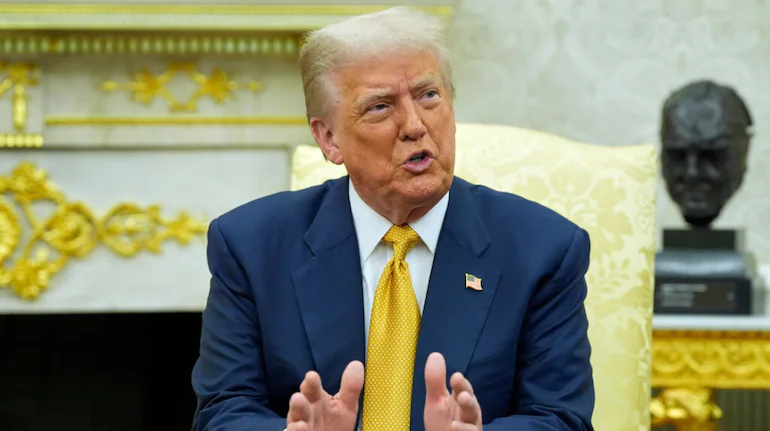
Quick Summary
President Donald Trump has imposed sweeping new tariffs, ranging from 10% to 41%, on goods from nearly 70 countries, including a 25% rate on India. While India’s position remains unchanged, countries such as Syria, Laos, and Myanmar face the steepest tariffs. The move has sparked global economic concern, with responses ranging from diplomatic outrage to cautious market adjustments.
Why Has Trump Imposed New Tariffs, and What’s Different This Time?
In late July 2025, President Trump announced an aggressive set of tariffs aimed at what he described as unfair global trade practices. The executive order targets 68 countries and the entire European Union, exemplifying Trump’s goal to “reshape global trade” and place American industries first.
- Tariffs range from 10% (the new default rate) to 41% for nations accused of egregious trade imbalances or security concerns.
- India’s 25% tariff, announced earlier in the year, remains in effect, matching levels set for other major U.S. trading partners like Vietnam and Taiwan.
- Canada saw a hike in tariffs from 25% to 35%, linked to disputes over fentanyl smuggling and perceived Canadian non-cooperation.
Which Countries Face the Highest and Lowest U.S. Tariffs in 2025?
Highest Tariff Rates:
- Syria: 41%
- Laos & Myanmar: 40%
- Switzerland: 39%
- Iraq & Serbia: 35%
- Libya & Algeria: 30%
- South Africa: 30%
Middle Tier Tariff Rates :
- India: 25%
- Vietnam: 20%
- Taiwan: 20%
- Sri Lanka: 20%
Lowest/Standard Tariffs:
- EU: Partial exemption; goods with tariffs over 15% spared, others see new levies.
- United Kingdom: 10%
- Countries not listed specifically: 10% baseline.
Special Cases:
- Pakistan’s tariffs were slashed to 19% (down from 29%) after a new oil partnership.
- South Korea successfully lowered its rate to 15%, down from a threatened 25%, through new U.S. investments.
India’s Position: How Is India Responding to the U.S. Tariff Hike?
India faces a uniform 25% U.S. tariff across all imports, with no relief in the latest announcement. Trump cited persistent trade deficits (about $45.7 billion in 2024) and ongoing energy imports from Russia as justifications, even calling India a “dead economy” in recent remarks.
India’s response:
- Commerce Minister Piyush Goyal stated India “will not compromise national interests” and is consulting industry groups and exporters on the impact.
- New Delhi is not considering immediate retaliatory tariffs, instead seeking to keep bilateral talks open, possibly by increasing selected U.S. imports (like natural gas and electronics) to reduce the trade deficit.
- India aims to diversify markets and enhance domestic manufacturing resilience to cushion future shocks.
What Does This Mean for Global Trade and the U.S. Economy?
- Economic Shockwaves: Higher operational costs for global manufacturers and likely price hikes for U.S. consumers.
- Market Reactions: Sectors like Indian electronics, pharmaceuticals, gems, textiles, and major goods from Canada, Brazil, and Taiwan likely to feel the tightest squeeze.
- Diplomatic Fallout: Several countries, including Brazil and the EU, are considering appeals to international trade bodies.
- Transshipment Loopholes Closed: Goods passing through third countries to bypass tariffs now face “transshipment levies” as high as 40%.
Why Does It Matter Now?
This round of tariffs takes effect on August 7, 2025, following a short delay for implementation. Trump’s approach is likely to set the stage for tense trade negotiations in the months ahead, affecting everything from supply chains to diplomatic alliances.