A social media post has cost a UnitedHealthcare employee her job after a TikTok video reacting to a shooting incident involving President Donald Trump drew widespread backlash.
The company confirmed the termination, stating the remarks were inconsistent with its values—underscoring how quickly personal online content can carry professional consequences, especially in politically charged moments.
What happened at the White House Correspondents’ Dinner?
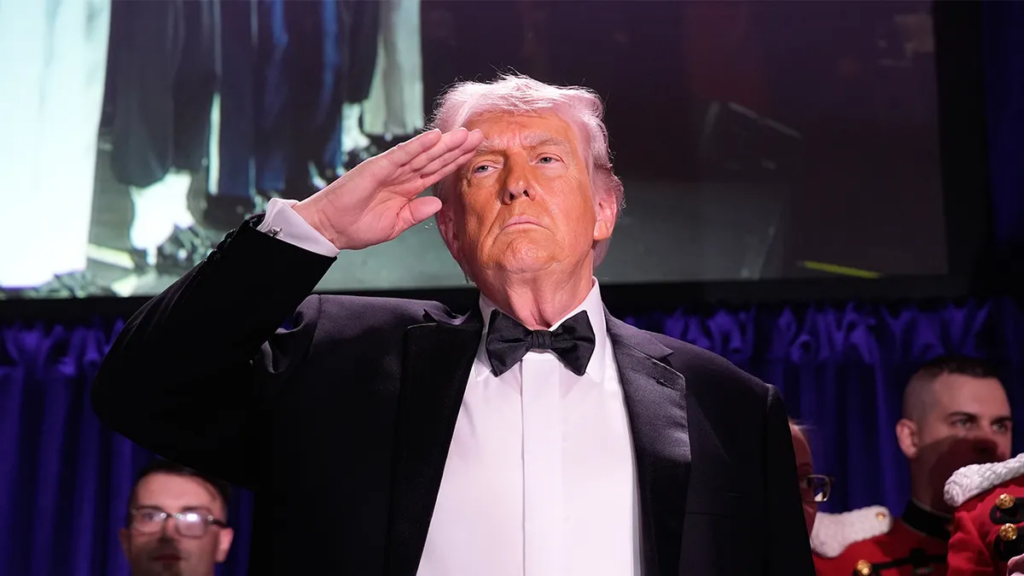
The controversy stems from a shooting incident at the annual White House Correspondents’ Association Dinner, held at the Washington Hilton Hotel.
The incident
Authorities say:
- A suspect, Cole Tomas Allen, allegedly opened fire during the event
- The gathering included high-profile political leaders, including Trump
- Allen was arrested at the scene and is expected to face severe charges
Law enforcement sources indicated the attack may have targeted officials linked to the Trump administration.
What did the TikTok video show?
The employee, identified as Alison King, posted a video reacting to the incident.
Key remarks that sparked backlash
In the video, King:
- Questioned whether the shooting was real
- Made a sarcastic remark implying disappointment that Trump was not harmed
- Acknowledged her reaction as troubling
The clip quickly circulated across platforms, prompting criticism from users who viewed the comments as endorsing violence—even if framed sarcastically.
Why did UnitedHealthcare terminate the employee?
UnitedHealthcare issued a statement confirming the dismissal.
Company response
A spokesperson said:
- “Violence is never acceptable.”
- Comments suggesting otherwise violate company values
- The individual is “no longer employed.”
The company did not elaborate further on internal disciplinary processes.
Why do such comments carry professional consequences?
This case highlights the blurred line between personal expression and workplace accountability.
Social media and employer expectations
Many companies maintain policies that:
- Prohibit speech perceived as endorsing violence
- Protect corporate reputation
- Require employees to uphold organizational values—even off the clock
In high-profile situations, enforcement tends to be swift.
How are companies navigating political speech online?
Employers face a delicate balance between free expression and risk management.
Key considerations for companies
- Reputation risk: Viral posts can quickly link individuals to their employers
- Public pressure: Online backlash often drives corporate action
- Workplace culture: Statements perceived as extreme can impact internal environments
A broader trend
This incident fits into a wider pattern where
- Employees face consequences for controversial online content
- Companies act quickly to distance themselves from polarising views
- Political speech increasingly intersects with workplace policies
What does this incident reveal about today’s media environment?
The speed and scale of online reactions are central to stories like this.
The role of virality
- Short-form videos can reach millions within hours
- Context—such as sarcasm, can be lost or disputed
- Public reaction often shapes the narrative before facts fully emerge
The stakes of political discourse
When incidents involve figures like Donald Trump, reactions tend to:
- Become highly polarized
- Attract intense scrutiny
- Trigger broader debates about ethics and speech
Important context: violence and political sensitivity
Incidents involving violence against public officials carry heightened sensitivity.
Why responses are scrutinised
- Public safety concerns are paramount
- Political violence is treated as a serious national issue
- Even perceived endorsement of harm can draw strong condemnation
This context helps explain the swift response from UnitedHealthcare.
TL;DR
- A UnitedHealthcare employee was fired over a TikTok video reacting to a shooting involving Donald Trump.
- The video included remarks interpreted as endorsing violence.
- The company said the comments violated its values.
- The case highlights growing consequences for social media speech.
- It also reflects the heightened sensitivity around political violence.