A 28-year-old US Army veteran collapsed and died moments after completing a half-marathon in San Diego, cutting short plans for a secret wedding he had intended to hold just days later. The emotional account, shared by his family, reveals a young man who had rebuilt his life after years of struggle and found happiness shortly before his sudden death.
How the Army veteran collapsed after the race
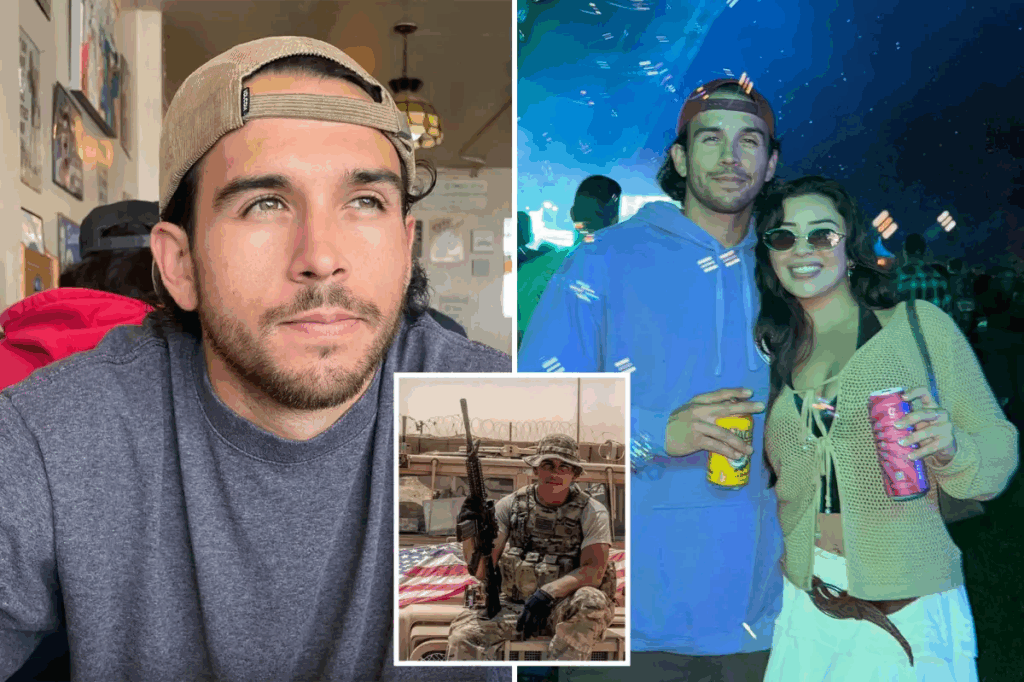
Scottie Williams, a California native and former Army transport driver, finished the Silver Strand Veterans Day Half Marathon on Sunday before collapsing near a water station. On-site medics immediately administered CPR and continued attempts to revive him for nearly 90 minutes.
Despite their efforts, Williams could not be saved. He was described as athletic, healthy, and a repeat half-marathon runner, making his sudden collapse especially difficult for his family to comprehend. Autopsy results are still pending.
What he told his mother days before the race
Just two days before the marathon, Williams had FaceTimed his mother, Katherine Yglesias-Herrera, to show her his new apartment in San Diego. During the call, he confided that he planned to “secretly marry” his girlfriend, Bree Rivera. She had been waiting for him at the finish line when the collapse occurred.
His mother said the news brought her joy, as she had watched him gradually rebuild his life after enduring severe trauma and instability.
The challenges he faced after military service
Williams served in Korea and Syria as a transport driver. After returning from Syria, he struggled with post-traumatic stress disorder (PTSD), a condition that led to significant challenges in his civilian life. The US Department of Veterans Affairs later rated him 80 percent disabled.
In the following years, Williams worked to heal. He spent time living outdoors, worked at a ski resort, and eventually moved to San Diego. His mother said the city played a meaningful role in his recovery, offering him a peaceful environment and renewed sense of purpose.
How he rebuilt his life in San Diego
In San Diego, Williams developed a stable routine, a supportive community, and a fulfilling relationship with Rivera. His mother described him as the happiest she had seen him in years, noting how he had finally found calm and direction after years of emotional hardship.
He secured a home near the beach, spent time outdoors, and embraced fitness, including running multiple half-marathons. Those close to him said he was hopeful about the future and deeply in love.
How his community honored him after his death
Williams’s body was brought back to his hometown of Ridgecrest on Thursday. As the procession passed through the city, police officers, veterans, and local residents lined the streets holding American flags to honor his service.
A GoFundMe campaign launched for funeral expenses has already raised more than $20,000. His funeral is scheduled for next weekend, with family members preparing to lay him to rest in the town where he grew up.
His mother said she hopes the world remembers her son as an amazing person, someone who gave more than he received and remained resilient despite the weight of his past.
Why this story resonates
Williams’s story echoes the reality faced by many former service members who struggle with PTSD, health challenges, and the emotional complexities of reintegration. At the same time, it shows the resilience many veterans display, rebuilding their lives piece by piece and carving out joy where they can.
His sudden death highlights both the fragility of recovery and the importance of long-term mental health support for veterans. It also underscores how quickly hope can turn to grief in moments that should have been celebratory.