
TL;DR
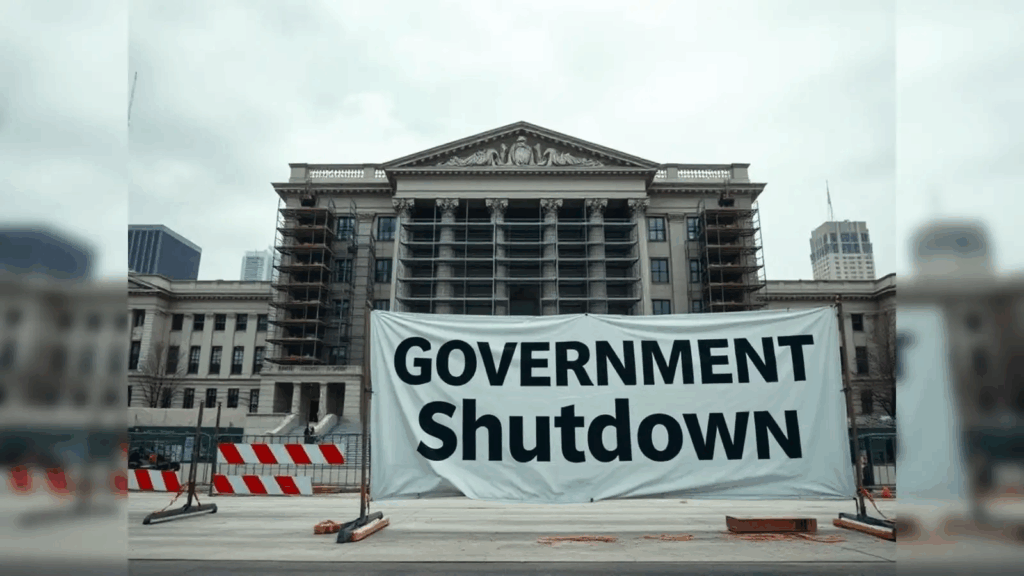
The U.S. government entered a shutdown on October 1, 2025, its first since 2019, after a funding fight over healthcare. While 750,000 federal workers are furloughed and services like national parks and passport processing are suspended, the IRS remains open—at least for now—thanks to contingency funding from the 2022 Inflation Reduction Act. Tax deadlines, including the October 15 extension, still apply. Economists estimate shutdowns cost the economy about $1.4 billion per day.
Why Did the Government Shut Down?
At midnight on October 1, Congress failed to pass a funding bill after Republicans and Democrats clashed over healthcare spending. The result: non-essential government services closed, while essential workers in security, law enforcement, and air traffic control continue without pay.
This is the country’s first shutdown since 2019, and like previous ones, the effects are immediate:
- National Parks: From Yellowstone to the Everglades, gates are closed.
- Travel Delays: Passport processing and some federal travel services are suspended.
- Airlines: Warned of disruptions as federal systems slow.
- Federal Workers: Roughly 750,000 furloughed, with many more working unpaid.
Shutdowns are political showdowns, but for citizens and businesses, they quickly become logistical and financial headaches.
Will the IRS Still Operate During the Shutdown?
Yes—at least in the short term. Unlike past shutdowns, the IRS has $37.6 billion in contingency funding set aside from the Inflation Reduction Act (2022). According to the Treasury Department, “normal IRS operations will continue” for the first five business days.
That means:
- Tax deadlines are unchanged. October 15 filing deadline and quarterly estimated tax payments must be met.
- Refunds are still processed—initially. Electronic systems remain online.
- IRS phone lines and paper filings may lag. Past shutdowns show delays are likely once funding runs out.
Tax expert Jassen Bowman told CNET, “Yes, even with a government shutdown, the U.S. Treasury still expects everybody to be sending in payments.”
What Happens After the Initial IRS Funding Runs Out?
Once the contingency money dries up, the IRS will shift to “excepted” operations, which means:
- Automated systems continue. Electronic filing, online payments, and collections keep running.
- Criminal investigations remain active.
- Staffing is cut back. Refund processing, audits, and taxpayer phone assistance may stall.
During the 2018–2019 shutdown, the IRS delayed refunds for millions and temporarily lost $2 billion in collections, according to the Congressional Budget Office. That precedent suggests that while the IRS is holding steady for now, disruptions could mount if the shutdown drags on.
How Does This Affect Ordinary Taxpayers?
Here’s what Americans need to know:
- Keep filing electronically. Paper filings risk weeks-long delays.
- Pay on time. Late payments can still trigger penalties and interest.
- Expect longer wait times for help. Customer service will be under strain.
For businesses:
- Payroll withholding doesn’t stop. Employers must continue deposits to avoid penalties.
- Tax credits and claims may face delays. Refundable credits for small businesses could slow if staffing is cut.
In short: the shutdown doesn’t pause your obligations—it only makes compliance more frustrating.
What About Other Federal Programs?
Taxes aren’t the only concern. The shutdown ripples across multiple programs:
- SNAP Benefits (Food Stamps): October funding is secure.
- WIC (Women, Infants, and Children): New enrollments may be halted.
- Veterans Affairs (VA): Routine claims risk piling up.
- Travel & Passports: Processing delays are already expected.
This means households relying on assistance programs or planning international travel could feel the pinch sooner than tax filers.
What’s the Economic Cost of a Shutdown?
Economists estimate each day of shutdown costs $1.4 billion in lost productivity. This stems from furloughed workers, stalled federal contracts, and delayed business activity.
In 2019, the 35-day shutdown became the longest in U.S. history, shaving 0.1% off quarterly GDP growth. If today’s standoff lasts more than a week, expect ripple effects across industries from tourism to housing.
Visual idea: A chart comparing economic costs per day of shutdowns in 1995, 2013, 2019, and 2025 would give readers a clear sense of scale.
Why Does This Matter to You?
Even if you never step foot in a national park or call an IRS help line, shutdowns matter because:
- They erode economic confidence.
- They cost taxpayer money—shutdowns don’t eliminate costs, they defer and complicate them.
- They can delay refunds and benefits, directly hitting household cash flow.
And while Congress negotiates over healthcare funding, everyday Americans are left juggling delayed services and uncompromising tax deadlines.
The Bottom Line
The government shutdown of 2025 is already disrupting federal services, but the IRS—thanks to special funding—remains a rare pocket of stability. Don’t expect that to last forever. Taxpayers should:
- File electronically.
- Pay on time.
- Prepare for delays if the shutdown stretches beyond mid-October.
Shutdowns may be political battles, but the costs are borne by workers, families, and businesses who have little say in Washington’s standoffs.