
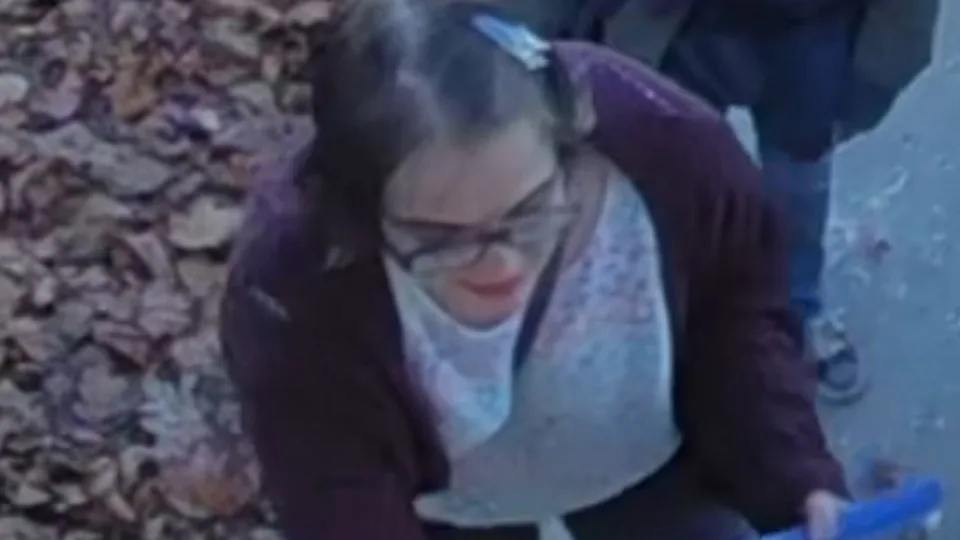
Why the disappearance of Morgan Geyser matters
The Slender Man stabbing case remains one of the most disturbing crimes involving online horror folklore. More than a decade later, one of the perpetrators, Morgan Geyser, has vanished after cutting off her state-issued monitoring device. Her disappearance raises new questions about supervision failures, public safety concerns, and the long-term management of violent juvenile offenders reintegrated into the community.
Geyser, now 23, was granted conditional release from a Wisconsin psychiatric institution earlier this year. Authorities say she removed her tracking bracelet on Saturday night and left the group home where she was living. Police have warned the public to call 911 immediately if she is spotted.
This incident reopens a painful chapter in a case that once shocked the nation and sparked debates about the influence of digital mythology on young minds.
What authorities say about Morgan Geyser going missing
Madison police issued an alert on Sunday stating that Geyser was last seen around 8 p.m. with an “adult acquaintance.” Investigators have not disclosed the identity of the person or whether that individual may have helped her leave.
Officials confirmed that Geyser removed a Department of Corrections monitoring bracelet shortly before disappearing. She had been required to wear the device as part of her conditional release agreement.
Police have not indicated if they believe the public is at immediate risk, but the alert instructs anyone who sees her to call emergency services without approaching.
How Geyser was released despite her violent past
The legal background
Geyser was 12 years old in 2014 when she and her friend, Anissa Weier, lured their classmate Payton Leutner to a park in Waukesha, Wisconsin. Geyser stabbed Leutner 19 times while Weier encouraged her. Miraculously, Leutner crawled to safety and survived.
Investigators later learned that the girls believed the fictional internet character Slender Man demanded the attack. They feared that failing to kill their friend would invite supernatural harm upon their families.
In 2018, Geyser pleaded guilty to attempted first-degree intentional homicide. Rather than being sent to prison, she was committed to the Winnebago Mental Health Institute after the court accepted that she suffered from significant mental health challenges.
She spent years receiving psychiatric treatment before a judge approved her conditional release to a supervised group home earlier this year.
What conditional release is required
Under Wisconsin law, individuals granted conditional release must follow strict rules, including:
- residing in approved housing
- wearing an electronic monitoring device
- attending therapy and medical check-ins
- complying with curfews
- having no access to weapons
Removing the monitoring bracelet is considered a serious violation.
What her attorney says about her disappearance
Geyser’s attorney, Tony Cotton, released a video on Instagram urging her to surrender immediately. Speaking directly to his client, he said, continuing to evade authorities would only worsen her situation.
Cotton emphasized that he does not know what prompted her to flee or whether anyone assisted her.
His public plea underscores the legal stakes: even if she committed no new crime, her flight could revoke her conditional release and send her back to the state psychiatric institution indefinitely.
Where the other girl in the Slender Man case is now
Anissa Weier, who pleaded guilty to attempted second-degree intentional homicide, was also committed to the psychiatric facility. She was granted conditional release in 2021 and has not been implicated in Geyser’s disappearance.
Their victim, Payton Leutner, has maintained her privacy since the attack and has publicly stated she hopes both perpetrators continue receiving treatment.
Why the Slender Man stabbing case still resonates today
More than ten years later, the crime continues to be studied for its unusual combination of:
- digital folklore influence
- juvenile mental health
- online mythmaking and real-world violence
- legal questions surrounding juvenile offenders and lifelong treatment
The Slender Man phenomenon, created in 2009 by artist Eric Knudson, evolved from a photo-editing meme into a sprawling online mythos. It featured heavily in user-generated stories, horror threads, and fan fiction, eventually spawning games and a 2018 film.
The case demonstrated how fringe online narratives can distort young minds—especially those struggling with mental health issues—and escalate into real-world danger.
What happens next
Authorities continue searching for Geyser and investigating how she managed to leave a supervised facility undetected. Key questions they are likely examining include:
- Did she plan the escape?
- Did the adult seen with her knowingly help?
- Were there gaps in the monitoring or housing protocol?
- Was her mental health deteriorating before she left?
Her disappearance may prompt a review of Wisconsin’s conditional release procedures, particularly for individuals with violent histories.
This story remains developing, and updates are expected as authorities gather more information.