
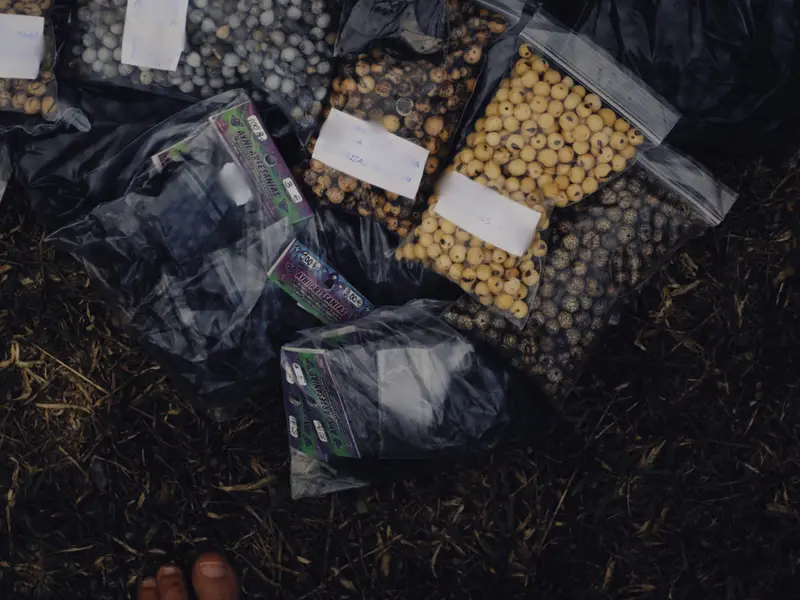


In recent weeks, farmers across the United States—especially in Texas—have been opening their mailboxes to an unsettling surprise: unsolicited packets of seeds shipped from China. The warning from officials has been blunt and urgent. Do not open them. Do not plant them. Report them immediately. The appearance of these seed packets has reignited fears about agricultural sabotage, invasive species, and gaps in US border screening. While the threat may not be a deliberate attempt to poison American crops, experts say the risks are real—and potentially costly.
What exactly is happening with these Chinese seed packets?
Since the start of January, at least 126 cases of mysterious seed packets have been reported in Texas alone. Most have appeared at private homes and farms, often without any return address or clear explanation. Some packets are transparent; others carry labels written in Chinese.
According to Sid Miller, the state’s agriculture commissioner, the seeds may look harmless but could pose a serious threat if opened or planted.
“One invasive species, pest, or pathogen could devastate Texas farms, ranches, natural resources, and food supply,” Miller warned, urging residents to stay vigilant.
While East Texas has reported the highest concentration, similar packages have surfaced in states stretching from Florida to New Mexico—suggesting the issue is not confined to one region.
Why are officials so concerned about opening or planting the seeds?
The fear is not hypothetical. US agriculture depends on strict controls to keep out invasive plants, insects, and plant diseases. Introducing even one harmful organism can trigger cascading damage.
The risks include:
- Invasive plant species that crowd out native crops
- Plant pathogens that spread quickly and are difficult to eradicate
- Insects or larvae hidden inside seed packets
- Noxious weeds that can contaminate farmland for years
Texas, which leads the nation in agricultural production, would be particularly vulnerable. A single outbreak can force quarantines, destroy harvests, and disrupt food supply chains nationwide.
How are these seed packets getting past US customs?
This is one of the most troubling questions—and one that state officials say remains unanswered.
Under normal procedures, organic and agricultural imports are screened at US airports to prevent biosecurity threats. Yet these packages appear to be slipping through undetected, often arriving via direct international shipping.
Miller has openly questioned the effectiveness of current screening practices, saying there may be a flaw in the system. The responsibility for intercepting such packages typically falls under US Customs and Border Protection, which inspects inbound international mail.
Is this a plot to poison American crops?
Despite the alarming optics, authorities and experts caution against jumping to conclusions.
The most likely explanation: a brushing scam
According to reporting by the New York Post and other outlets, the seed packets may be part of a brushing scam. In this scheme:
- Overseas sellers mail low-cost items to real US addresses
- The shipment creates a verified purchase record
- Fake reviews are then posted online under the recipient’s name
- The seller’s product rankings improve on e-commerce platforms
A similar wave of unsolicited Chinese seed shipments was documented in 2020, prompting warnings from state and federal agencies at the time.
That does not mean the danger is imaginary. Even if the motive is commercial fraud rather than sabotage, the agricultural risks remain the same.
What should you do if you receive one of these seed packets?
Officials are clear: do not open, plant, or discard the seeds yourself.
Recommended steps:
- Do not open the packet
- Avoid touching the seeds directly
- Secure the package in a sealed bag
- Report it immediately to your state agriculture department
In Texas, residents are advised to contact the Texas Department of Agriculture directly. Other states have issued similar guidance through their agriculture or plant health agencies.
Why this matters beyond Texas
Agriculture is a national system, not a state-by-state operation. A pest introduced in one region can spread across borders through trade, transport, and natural migration.
The economic stakes are enormous. US agriculture supports millions of jobs. Crops losses can drive up food prices. Export restrictions often follow outbreaks. Ecosystems can suffer long-term damage.
This incident also raises uncomfortable questions about mail security, biosecurity enforcement, and preparedness in an era of high-volume international shipping.
Are safeguards likely to change after this?
State officials are pressing for tighter inspections and better coordination with federal agencies. Whether that leads to policy changes or increased funding for agricultural screening remains uncertain.
Experts say this episode highlights a broader challenge: protecting US food systems in a world where global e-commerce can move physical goods faster than regulatory systems can track them.
TL;DR
- Unsolicited seed packets from China are appearing at US homes, especially in Texas
- Officials warn they could carry invasive species or plant diseases
- The most likely cause is a brushing scam, not sabotage
- The agricultural risk is still serious
- Do not open or plant the seeds; report them immediately