Controversial executive order targets academic relationships with Chinese institutions
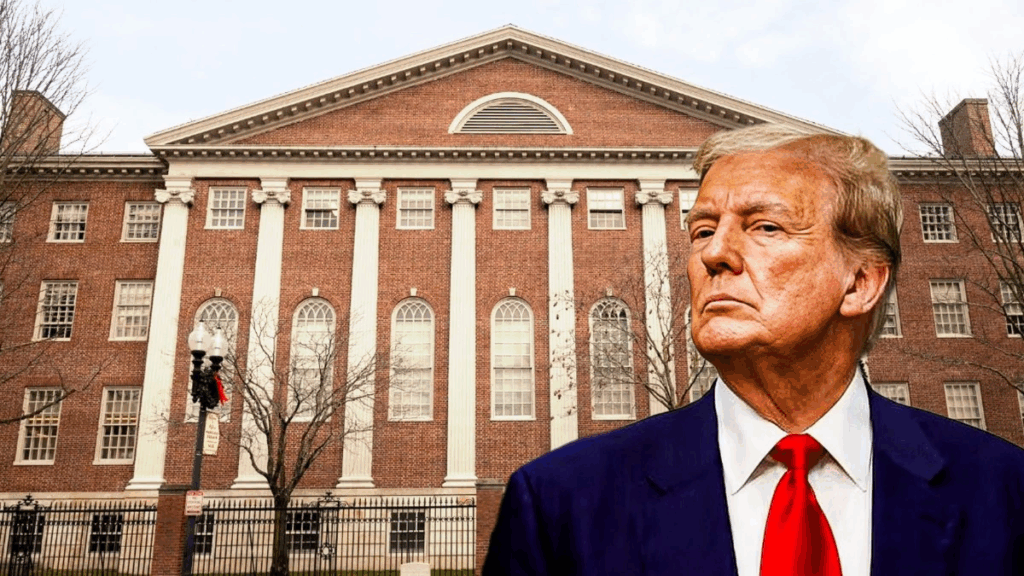
The Trump administration has implemented a sweeping ban prohibiting foreign students from attending Harvard University, citing “unsafe campus environment” and concerns over the Ivy League institution’s close ties to China. The unprecedented move has ignited a fierce debate about academic freedom and national security.
According to White House officials, the decision stems from growing apprehension about Chinese influence operations within American higher education. Harvard’s extensive research partnerships and financial connections with Chinese entities reportedly raised red flags during a recent administration review.
Research collaborations and funding sources under scrutiny
Documents reveal several areas of concern that prompted the administration’s action:
- Multiple joint research initiatives with Chinese universities tied to military programs
- Suspected technology transfer through academic exchanges
- Substantial donations from Chinese corporations and alumni
- Reported cases of intellectual property theft on collaborative projects
“American universities cannot continue serving as conduits for China’s military-civil fusion strategy,” a senior administration official stated. “Harvard’s case represents particularly egregious violations of research security protocols.”
Academic community decries “reckless” policy move
The ban has drawn sharp criticism from educators and civil liberties advocates:
“This draconian measure punishes innocent students and undermines America’s position as the global leader in higher education,” said Harvard President Lawrence Bacow in a strongly worded statement.
Legal experts note the order could face immediate court challenges, particularly regarding its broad application to all foreign nationals rather than specific individuals. The policy marks the latest escalation in ongoing tensions between the U.S. and China over technology competition and academic espionage.