
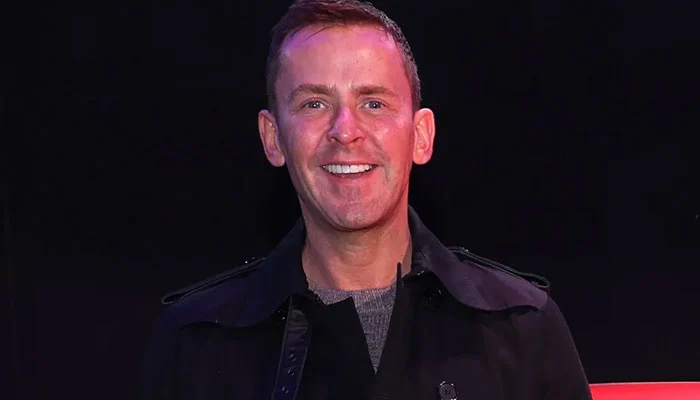
The sudden exit of Scott Mills from BBC Radio 2 has triggered a wave of speculation, largely fueled by an internal email that confirmed his departure but offered few specifics.
While headlines suggest a dramatic fallout, the reality, based on available information, is more restrained and notably incomplete.
What did the BBC’s internal email say?
The internal message, sent by BBC Director of Music Lorna Clarke, confirmed two key points:
- Scott Mills has left the Radio 2 Breakfast show
- He is no longer with the BBC
The tone of the email was careful and controlled. It acknowledged the shock among staff and listeners but avoided detailing the reasons behind the decision.
A crucial line stood out: Clarke declined to provide further comment, citing the likelihood of questions but choosing silence for now.
That omission has done as much to drive the story as the announcement itself.
Was Scott Mills dismissed, or did he leave?
This is where clarity fades.
The email confirms his exit but does not explicitly use terms like “dismissed” or “terminated.” However, it does reference a “personal conduct” issue, which strongly suggests the departure was not purely voluntary.
In media organizations, that phrasing typically signals:
- Internal policy concerns
- Workplace behavior issues
- Situations handled through HR processes
But without official elaboration, any precise conclusion would be speculative.
What does “personal conduct” usually mean in cases like this?
In broadcasting and large institutions like the BBC, “personal conduct” is a deliberately broad category.
It can include:
- Violations of workplace policies
- Off-air behavior impacting professional standing
- Breaches of editorial or ethical guidelines
Importantly, it does not automatically imply criminal wrongdoing. In many cases, it refers to internal standards rather than legal issues.
This distinction matters because public perception often fills gaps with worst-case assumptions.
Why the BBC is staying silent
The BBC’s limited disclosure is consistent with how major organizations handle sensitive personnel matters.
There are three likely reasons for the tight-lipped approach:
1. Legal considerations
Employment disputes, investigations, or settlements often restrict what can be shared publicly.
2. Privacy protections
Even high-profile presenters are entitled to confidentiality regarding internal proceedings.
3. Reputational risk
Premature or partial disclosures can escalate controversy rather than contain it.
In short, silence here is not unusual. It’s procedural.
Who is Scott Mills, and why does this matter
For context, Scott Mills isn’t just another presenter.
He has been a defining voice across BBC radio for decades:
- Joined the BBC in 1998
- Became a staple on BBC Radio 1 with The Scott Mills Show
- Transitioned to Radio 2, one of the UK’s most listened to stations
- Regularly associated with major events like the Eurovision Song Contest
His departure is significant because it removes a familiar presence from a flagship slot, particularly the Breakfast show, which anchors audience loyalty.
What happens to the Radio 2 Breakfast show now?
The internal email hinted that updates on the show’s future would follow, but no immediate replacement or interim plan was disclosed.
In situations like this, broadcasters typically:
- Appoint a temporary host
- Reassess long-term programming strategy
- Aim to stabilize listener numbers quickly
Why are headlines calling it “shocking”
The “shock” factor comes from three elements converging:
- A long-standing, high-profile presenter
- A sudden exit with no prior public controversy
- A vague explanation that invites speculation
This combination creates a vacuum, and in media, vacuums tend to get filled quickly, often with assumptions rather than facts.
What we still don’t know
Despite the attention, key details remain undisclosed:
- The exact nature of the “personal conduct” issue
- Whether there was an internal investigation
- If the departure was immediate or negotiated
- Whether Mills will address the situation publicly
Until any of these points are clarified, the story remains partially reported, not fully explained.
The bigger picture: how media organizations handle exits
This episode reflects a broader shift in how institutions manage public-facing talent.
Compared to earlier eras, organizations now:
- Act faster on internal issues
- Communicate less publicly during transitions
- Prioritize institutional reputation over individual narratives
For audiences, that often translates into abrupt changes with minimal explanation.
TL;DR
- Scott Mills has exited BBC Radio 2 following a “personal conduct” issue
- An internal email confirmed the departure but gave no details
- The BBC’s silence is likely due to legal and privacy constraints
- No evidence currently suggests criminal wrongdoing
- Key facts remain unknown, leaving room for speculation