
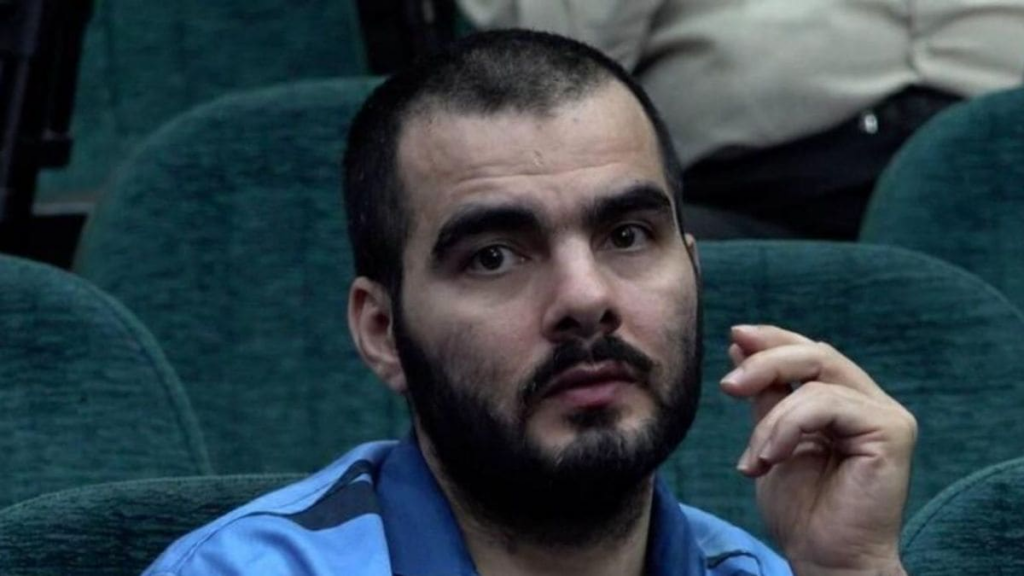
Iran has executed a man it accused of spying for Israel, adding another flashpoint to an already tense regional landscape. The individual, identified as Kurosh Keyvani, was convicted of passing sensitive information to Mossad, Israel’s intelligence agency.
The case, however, raises as many questions as it answers. Details remain limited, independent verification is scarce, and the broader context of Iran’s espionage crackdown looms large.
What did Iran say about the execution?
According to Iran’s judiciary, Keyvani was found guilty of providing images and intelligence related to sensitive sites inside the country to Israeli operatives.
State-linked outlet Mizan Online reported that:
- The execution was carried out after legal proceedings
- He had allegedly shared classified visuals and data
- He was described as a “spy for the Zionist regime”
Iran has long used such language in reference to Israel, reflecting the deep hostility between the two states.
Who was Kurosh Keyvani?
Public information about Keyvani is limited and largely comes from Iranian state or semi-official media.
What is known
- He was arrested during the 2025 Iran–Israel conflict
- The arrest reportedly took place in Savojbolagh
- Authorities claimed he was in contact with Mossad operatives
- He allegedly possessed cash, vehicles, and surveillance equipment
Reports also suggest he was recruited online and received training abroad before returning to Iran.
What remains unclear
- No independently verified evidence has been made public
- Details of the trial process are not fully transparent
- There is limited biographical information about him
What was the “12-day war” context?
The arrest occurred during a brief but intense escalation in June 2025 between Iran and Israel.
Key elements of the conflict
- Israel launched preemptive strikes targeting Iranian assets
- The United States briefly joined with strikes on nuclear-related facilities
- The confrontation lasted under two weeks but significantly raised regional tensions
During such conflicts, intelligence activity typically intensifies, and accusations of espionage become more frequent.
How common are espionage executions in Iran?
Iran has a documented history of executing individuals accused of spying, particularly in cases linked to Israel.
A pattern of crackdowns
Authorities in Iran have:
- Repeatedly announced arrests of alleged Mossad-linked operatives
- Conducted trials that are often criticized for lack of transparency
- Carried out executions following espionage convictions
Human rights organizations, including groups like HRANA, have reported an increase in executions, especially after periods of political unrest or conflict.
Concerns raised by observers
Critics point to:
- Limited access to legal defense
- Lack of publicly available evidence
- Use of confessions that may be contested
These concerns make independent verification difficult.
Why this case is drawing attention
This execution comes shortly after global backlash over another case involving Erfan Soltani, a young protester whose execution was halted following international outrage.
What makes Keyvani’s case different?
- It is tied to espionage rather than protest activity
- It involves geopolitical adversaries, not domestic dissent
- It fits into a broader intelligence conflict narrative
Even so, the lack of transparency has drawn scrutiny.
The Iran–Israel shadow conflict
The execution cannot be viewed in isolation. It is part of a long-running covert struggle between Iran and Israel.
What defines this rivalry?
- Cyber operations
- Intelligence gathering and counterintelligence
- Targeted strikes and sabotage
Mossad is often cited in Iranian reports as being active inside the country, though such claims are rarely independently confirmed.
Why espionage cases matter
They serve multiple purposes:
- Deterrence against internal collaboration
- Signaling strength to adversaries
- Reinforcing domestic narratives
In this sense, each case is both legal and political.
What we don’t know and why it matters
Despite strong claims from Iranian authorities, key gaps remain:
- No public evidence tying Keyvani to espionage activities
- No independent confirmation from international bodies
- Limited transparency around judicial proceedings
What this means going forward
The execution of Kurosh Keyvani is likely to deepen tensions rather than resolve them.
Implications
- Increased scrutiny of Iran’s judicial practices
- Heightened intelligence activity in the region
- Continued cycle of accusations between Iran and Israel
For global audiences, it’s another reminder that much of modern conflict happens in the shadows, where information is partial and narratives compete.
TL;DR
- Iran executed Kurosh Keyvani for alleged ties to Mossad
- He was accused of sharing sensitive images and information
- Arrested during the 2025 Iran–Israel conflict
- No independent evidence has been publicly verified
- The case reflects ongoing covert tensions between Iran and Israel