

A Wildlife Icon’s Final Moments
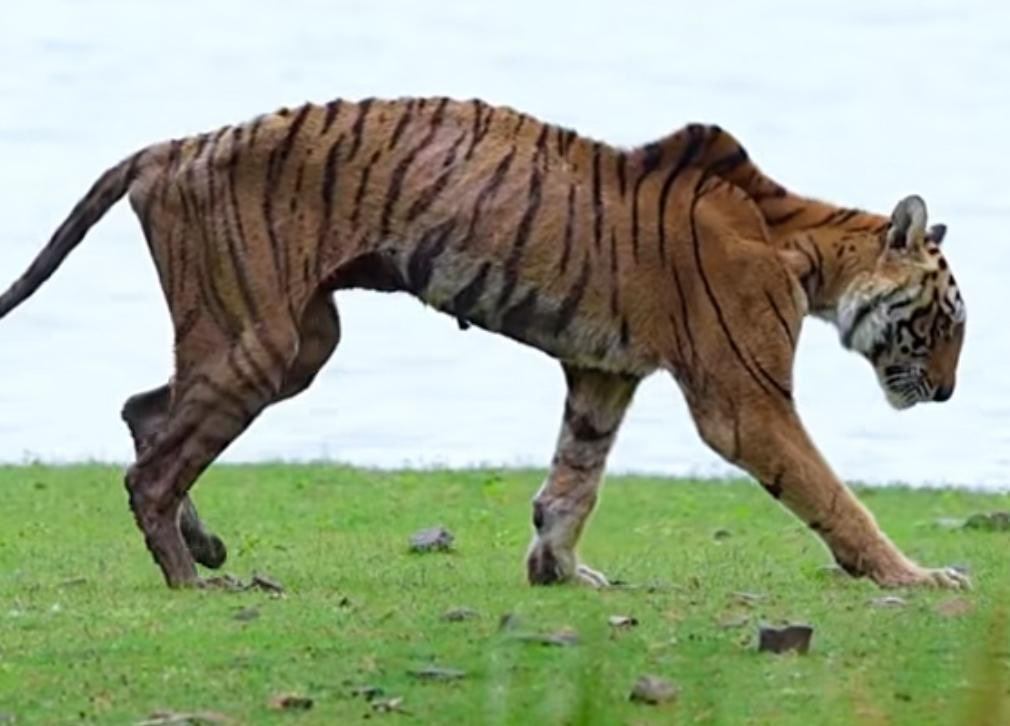
One of India’s most celebrated tigresses, Arrowhead (T-84), has died at the age of 14 after a battle with advanced bone cancer. Her final moments, captured on camera by wildlife photographer Sachin Rai, show her struggling to walk near Padam Talab in Ranthambore National Park before collapsing under a tree—a poignant end to the life of a tiger that symbolized resilience and dominance in the wild.
Arrowhead’s death marks the close of an era for Ranthambore, where her lineage—descending from the legendary tigress Machhli (T-16)—had ruled for decades. Her passing comes just hours after her daughter was relocated to another reserve, adding a layer of emotional weight to the loss.
Why Arrowhead Was More Than Just a Tiger
Arrowhead wasn’t just another big cat in Ranthambore; she was a living testament to survival, territorial dominance, and the delicate balance of India’s tiger conservation efforts.
- A Royal Bloodline: Born to tigress Krishna (T-19) and granddaughter of Machhli—the most photographed tiger in the world—Arrowhead inherited a legacy of strength.
- A Fierce Matriarch: She claimed her mother’s territory and held it with authority, raising multiple litters of cubs that went on to populate Ranthambore.
- A Symbol of Conservation Success: Her life reflected the triumphs and challenges of tiger preservation in India, where habitat loss and human-wildlife conflict remain persistent threats.
The Heartbreaking Final Walk
Sachin Rai, who had documented Arrowhead since her cub days, shared an emotional account of her last hours.
“On the evening of June 17th, I witnessed what would likely be the last walk of the legendary tigress… It was heartbreaking to see her struggle, attempting to rise and take a few feeble steps before collapsing again.”
His footage shows her weakened but still dignified—a stark contrast to the powerful predator she once was.
The End of an Era for Ranthambore
Arrowhead’s death is more than the loss of a single animal; it’s the closing of a chapter for Ranthambore’s tiger dynasty.
- Her Legacy Lives On: Her surviving cubs and descendants will continue to shape the park’s ecosystem.
- A Reminder of Mortality in the Wild: Even apex predators face disease and aging, a humbling reality in conservation.
- What Comes Next? With her passing, wildlife experts will monitor how her territory is redistributed among younger tigers.
How Arrowhead’s Story Resonates Beyond the Wild
Her life and death have struck a chord far beyond Ranthambore:
- Wildlife Enthusiasts Mourn: Social media has been flooded with tributes, underscoring how individual animals can inspire global followings.
- Conservation in Focus: Her battle with cancer highlights the need for advanced veterinary care for wild tigers.
- The Power of Storytelling: Photographers like Rai play a crucial role in making wildlife conservation relatable to the public.
Final Thoughts: A Fitting Farewell to a Warrior Tigress
Arrowhead’s story is one of power, struggle, and inevitable decline—an echo of nature’s unrelenting cycle. While her physical presence is gone, her impact on Ranthambore and tiger conservation endures.
For those who followed her journey, she wasn’t just T-84; she was Arrowhead—a legend who walked her own path until the very end.


