
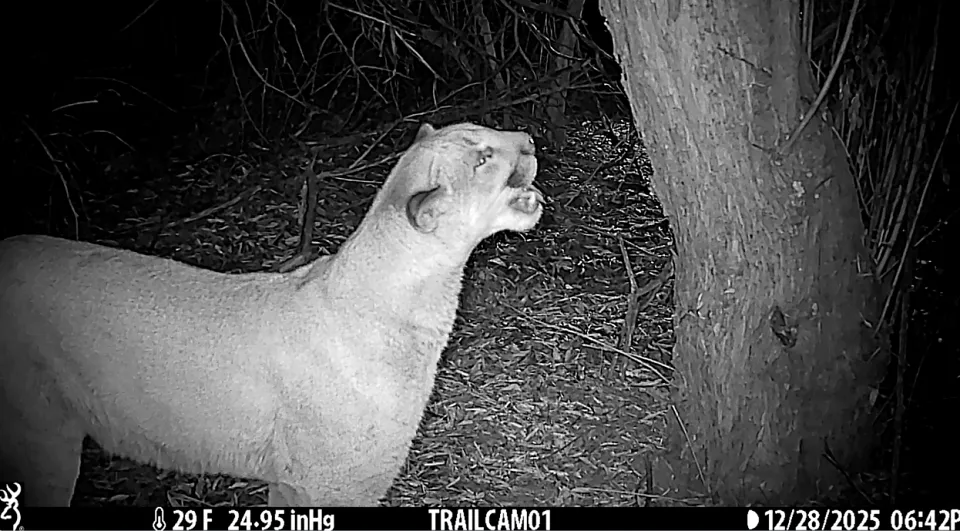
In a move that has ignited fierce debate, the state of Utah is aggressively culling cougars as part of a long-term wildlife study. Officials say the effort is aimed at boosting populations of mule deer and bighorn sheep. Critics, however, argue the program crosses a line, calling it an “extermination campaign masquerading as science.”
At the heart of the controversy is a fundamental question: can large-scale predator removal truly restore balance, or does it risk breaking the ecosystem further?
What is the Utah cougar culling study?
The program, formally known as Utah’s Watershed Restoration Initiative Predator Management Study, is a multi-year effort launched by the Utah Division of Wildlife Resources.
It began in late 2025 and is currently active in six of Utah’s 30 hunting units. The study is expected to run through 2029, with final analysis slated for 2030 and 2031.
What the study aims to measure
Researchers are trying to answer a specific ecological question:
- Does reducing predator populations increase mule deer and bighorn sheep numbers?
- How does predator removal affect overall ecosystem health?
To find out, the state is combining field data with active intervention, meaning predators are being removed while prey populations are closely monitored.
Biologists, including teams from Brigham Young University, are collaring mule deer to track survival rates and population changes.
How aggressive is the cougar culling?
The approach is notably more aggressive than traditional wildlife management.
Hunters have been encouraged to kill as many cougars as possible in designated zones. By March 2026, at least 45 cougars had already been killed under the program.
What changed in the law?
A key turning point came with policy changes in recent years:
- Earlier rules allowed only one cougar per hunter per season
- A 2023 wildlife bill removed that restriction
- The H.B. 125 mandates predator reduction if deer and elk populations fall below targets
Officials say those thresholds have not been met for years, triggering the need for intervention.
Why does Utah want fewer cougars?
State wildlife managers argue the rationale is straightforward: too many predators, not enough prey.
The economic and ecological argument
- Mule deer populations are below target levels
- Bighorn sheep losses have impacted local herders
- Predators like cougars are seen as a major contributing factor
For ranchers, the issue is not theoretical. Livestock losses translate directly into financial strain.
One sheep herder quoted in reports described the program as harmful not just to wildlife, but to rural communities that depend on balanced ecosystems and predictable outcomes.
Why are critics calling it an “extermination campaign”?
Opposition has been sharp, particularly from conservationists and independent researchers.
Critics argue that the scale and intent of the program go beyond scientific inquiry.
Key concerns raised
- Lack of restraint: Removing large numbers of apex predators could destabilize ecosystems
- Ethical questions: Encouraging mass killing raises animal welfare concerns
- Scientific validity: Some argue the study design is biased toward a predetermined outcome
Photographer and explorer Elliot Ross described the effort as “hollow and disingenuous,” suggesting the label of “study” may obscure a policy-driven agenda.
Do predator culls actually work?
This is where the debate becomes more complex.
Wildlife science offers mixed answers on predator control.
What research generally shows
- Predator removal can lead to short-term increases in prey populations
- Long-term effects are less predictable
- Ecosystems often respond in unexpected ways
For example:
- Removing cougars may increase deer numbers briefly
- But overpopulation of deer can lead to overgrazing
- That, in turn, can degrade habitat and harm other species
In some cases, fewer apex predators can even lead to a rise in smaller predators, creating new imbalances.
How much is the study costing?
The project is expected to cost approximately $1.29 million.
That funding covers:
- Field operations and monitoring
- Animal tracking and data collection
- Research and analysis by academic partners
For critics, the question is whether taxpayer money should fund such an aggressive intervention.
What happens next?
The study is still in its early phases, and its most significant findings are years away.
Timeline
- 2025–2029: Active culling and data collection
- 2030–2031: Data analysis and conclusions
Until then, both supporters and critics will be watching closely.
Why this story matters beyond Utah
This is not just a local wildlife issue. It reflects a broader global debate about how humans manage nature.
Bigger questions at play
- Should ecosystems be actively engineered or left to self-regulate?
- How much intervention is too much?
- Can science remain neutral when policy goals are involved?
Similar debates are unfolding worldwide, from wolf reintroduction in Yellowstone to culling programs in parts of Europe and Australia.
TL;DR
- Utah is culling cougars as part of a long-term wildlife study
- The goal is to boost mule deer and bighorn sheep populations
- Critics argue the program is overly aggressive and ethically questionable
- Scientists remain divided on whether predator removal works long-term
- The study will continue through 2029, with results expected after 2030