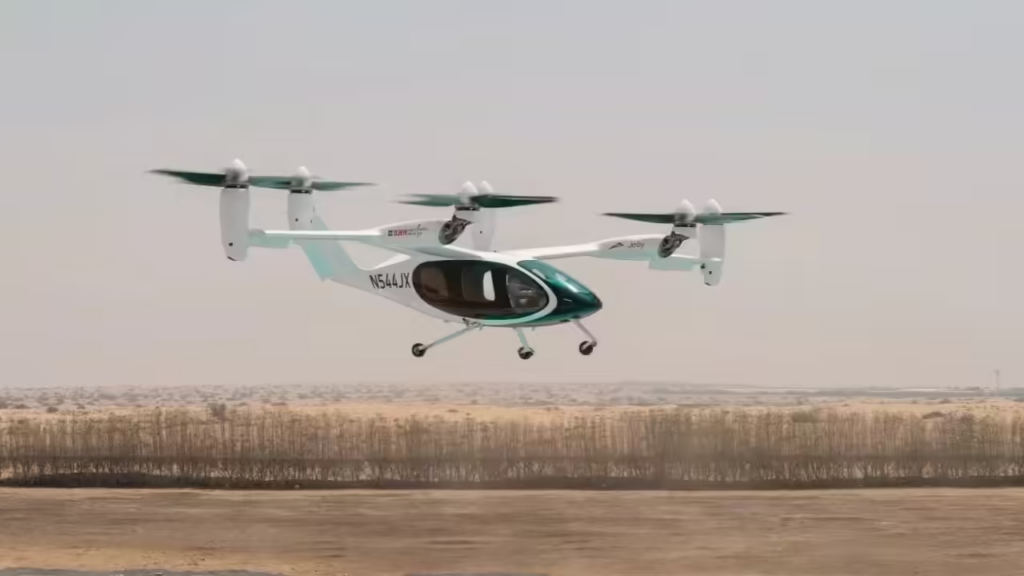
Dubai is preparing to take urban mobility off the ground—literally. The city has unveiled what it calls the world’s first fully operational air taxi station, a major step toward launching electric flying taxis for public use later this year.
Located near Dubai International Airport, the station is part of a broader plan to create a network of aerial transport hubs across the city.
What is the Dubai air taxi project?
The initiative aims to introduce electric vertical takeoff and landing (eVTOL) aircraft—commonly known as air taxis—into everyday transport.
Key announcement
Hamdan bin Mohammed bin Rashid Al Maktoum confirmed that the first station is complete and that public operations are expected to begin in 2026.
The project is being developed under Dubai’s broader vision to lead in next-generation mobility solutions.
What does the first air taxi station look like?
The newly completed station is more than just a helipad—it’s a purpose-built mobility hub.
Features of the station
- A four-story structure spanning about 3,100 square meters
- Two dedicated takeoff and landing pads
- Electric charging infrastructure for aircraft
- Passenger lounges with climate control
- Multi-level parking facilities
According to the Roads and Transport Authority, the station is designed to handle up to 170,000 passengers annually.
How will the air taxis work?
The aircraft powering this system are being developed by Joby Aviation.
What makes these aircraft different?
- Vertical takeoff and landing, like a helicopter
- Fully electric propulsion
- Significantly quieter—up to 100 times quieter than helicopters
- Designed for short-distance urban travel
Unlike traditional helicopters, these air taxis aim to combine speed with sustainability and reduced noise pollution.
How much time will passengers save?
The biggest selling point is time.
Travel time comparison
- Road: Airport to Palm Jumeirah takes around 45 minutes
- Air taxi: The same journey could take about 10 minutes
That’s a dramatic reduction, especially in a city known for heavy traffic during peak hours.
Where will the air taxi network operate?
The first station near the airport is just the beginning.
Planned network locations
- Near Dubai International Airport
- Downtown Dubai
- Palm Jumeirah
- Dubai Marina
Together, these hubs will form a connected aerial transport system across key parts of the city.
Why Dubai is investing in flying taxis
Dubai has positioned itself as a global testbed for futuristic infrastructure—and air taxis fit that vision.
Strategic goals
- Reduce road congestion
- Cut travel times across major hubs
- Promote sustainable transport
- Strengthen Dubai’s image as a tech-forward city
The project also aligns with broader global efforts to develop urban air mobility systems.
Is this really the first of its kind?
While other cities have tested air taxis, Dubai is among the first to build a fully integrated, multi-station network ready for public use.
What makes this project unique
- Dedicated infrastructure already in place
- Government-backed rollout timeline
- Integration with existing transport systems
- Near-term commercial launch
This moves the concept from experimental to operational.
What challenges remain?
Despite the progress, several hurdles still need to be addressed.
Key challenges
- Regulatory approvals and safety certifications
- Air traffic management in urban environments
- Pricing and accessibility for everyday users
- Public adoption and trust
The success of the system will depend on how these issues are handled during rollout.
The bigger picture: The future of urban mobility
Dubai’s air taxi project is part of a global shift toward new forms of transportation.
What this could lead to
- Widespread adoption of eVTOL aircraft in major cities
- Integration of air travel into daily commuting
- Reduced reliance on traditional road infrastructure
If successful, this model could be replicated in cities around the world.
TL;DR
- Dubai has completed its first air taxi station near Dubai International Airport
- Electric air taxis developed by Joby Aviation will power the system
- Travel times could drop from 45 minutes to 10 minutes on key routes
- A four-station network is planned across the city
- Public launch is expected in 2026