
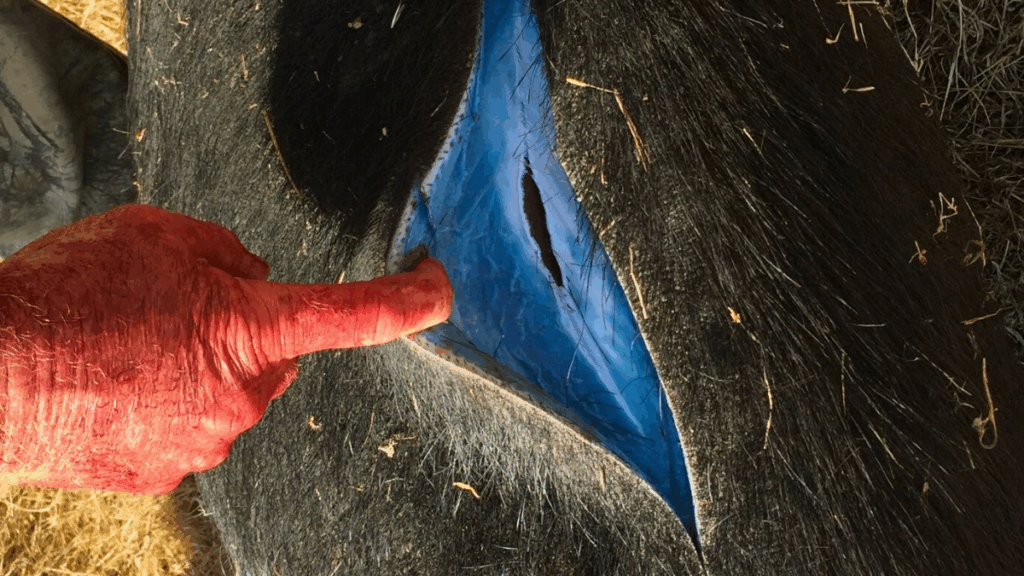
Hunters in California have reported wild pigs with “neon blue” flesh. State wildlife officials say the animals were likely poisoned by diphacinone, a commonly used rodenticide dyed blue for identification. Authorities in Monterey County have now issued a warning urging people not to consume the meat of contaminated game.
What’s Behind the Mysterious Blue Color in California’s Wild Pigs?
Hunters in Monterey County recently made a disturbing discovery: wild pigs with bright blue insides, described as “neon blue” and “blueberry-colored.”
The sight was alarming enough to trigger a formal investigation. According to experts, the dramatic color change wasn’t natural; it was contamination.
Wildlife officials say the pigs likely ingested diphacinone, a blue-dyed rodenticide used to control rat populations. Once the chemical enters an animal’s body, it can spread through its organs and tissues, leaving behind an unnatural blue streak.
Why Are These Pigs Eating Rat Poison?
California’s wild pigs are hybrids descended from domestic pigs and European wild boars. They’re opportunistic eaters, and that includes scavenging dead rodents.
Rodenticide exposure can happen in two ways:
- Direct consumption: Pigs eat poisoned bait or rodents that have recently ingested it.
- Secondary poisoning: Pigs feed on dead or dying rodents whose bodies still contain the toxin.
Authorities say diphacinone can remain active inside tissues even after the animal dies and even after the meat is cooked.
That’s why the warning has been sweeping: avoid consuming any game meat that shows signs of contamination.
What Is Diphacinone, and How Dangerous Is It?
Diphacinone is a first-generation anticoagulant rodenticide frequently used in pest control. It’s:
- Blue-dyed for visibility.
- Designed to reduce vitamin K, a nutrient vital for healthy blood clotting.
- Capable of causing severe internal bleeding.
Here’s what makes it concerning:
1. It Stays in the Body for a Long Time
The compound lingers in tissues, especially the liver. Even cooking does not destroy it.
2. It Harms Non-Target Animals
The contamination doesn’t stop with rodents. Wildlife officials say it frequently ends up in:
- Owls and other birds of prey,
- Scavengers feeding on poisoned carcasses,
- Carnivores that eat contaminated prey,
- Omnivores like wild pigs.
Some studies warn that even trace ingestion can make non-target species dangerously ill.
What Are Authorities Warning Hunters To Do?
Ryan Bourbour, pesticide investigations coordinator at the California Department of Fish and Wildlife, issued a clear message:
“The meat of game animals such as wild pigs, deer, bears, and geese might be contaminated if that game animal has been exposed to rodenticides.”
CDFW says rodenticide exposure is a growing concern, especially in areas where pest-control chemicals are used close to wildlife habitats.
What Hunters Should Watch For
- Unusual tissue coloration (especially blue or green)
- Abnormal liver appearance
- Signs of bleeding or bruising inside the carcass
Hunters in Monterey County have been urged to report any pigs exhibiting abnormal coloration and to avoid consuming the meat.
Why California Restricted Diphacinone Use in 2024
Though diphacinone is still legal in controlled circumstances, California tightened restrictions last year due to:
- rising cases of wildlife poisoning,
- concerns about secondary exposure,
- environmental group pressure,
- and the difficulty of keeping non-target animals away from bait areas.
CDFW now urges landowners and pest managers to:
- Apply rodenticides only when necessary.
- Use enclosed bait stations.
- And confirm that wildlife cannot access the treated area.
Despite these measures, the latest pig incidents show that contamination risks persist.
Does This Incident Signal a Bigger Problem?
Yes, and wildlife experts say it’s not limited to pigs.
1. Growing Secondary Poisoning Cases
Owls, bobcats, foxes, coyotes, and even pets have shown signs of anticoagulant poisoning.
2. Toxic Chemicals Moving Through the Food Chain
Diphacinone can pass from rodents to pigs to scavengers and even to humans if contaminated meat is consumed.
3. Challenges in Rural Pest Control
Many rural areas rely heavily on rodenticides, making it difficult to isolate wildlife from bait.
4. The Issue Isn’t Going Away
California’s expanding wild pig population, estimated between 400,000 and 600,000 statewide, increases the odds of more contamination reports.
Why This Discovery Matters Beyond California
Incidents like this highlight growing global concerns about:
- wildlife poisoning from pest-control chemicals,
- ecological impacts on predator species,
- and food safety issues tied to recreational hunting.
The Monterey County warning serves as a reminder that even widely used, legal chemicals can cause unintended consequences, ones that don’t end at the farm or field.