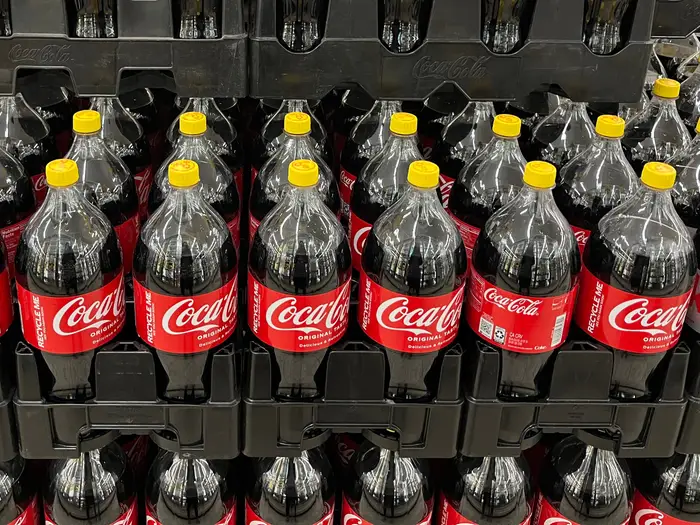
If you’ve noticed Coca-Cola bottles with bright yellow caps popping up in stores, you’re not imagining things. The annual switch is back—and for a specific reason tied to the Jewish holiday of Passover.
But this isn’t just a seasonal packaging tweak. For many shoppers, it’s a signal to buy in bulk.
What Do Coca-Cola’s Yellow Caps Mean?
Each spring, Coca-Cola releases a limited run of soda made specifically for Passover observance.
The key difference: what’s inside
Standard Coca-Cola in the U.S. is sweetened with high fructose corn syrup. During Passover, that ingredient becomes a problem for many Jewish consumers.
So for this limited batch, Coca-Cola switches to:
- Cane sugar instead of high-fructose corn syrup
- A yellow cap to clearly distinguish it from regular bottles
The result? A version of Coke that’s labeled kosher for Passover—and instantly recognizable on store shelves.
Why Passover Changes What People Can Eat
Passover comes with strict dietary guidelines rooted in tradition.
Foods typically avoided
During the holiday, many observant Jews avoid the following:
- Barley
- Rye
- Wheat
- Oats
- Spelt
Additionally, many Ashkenazi Jews (those of Eastern European descent) also avoid:
- Corn
- Legumes
Since high fructose corn syrup is derived from corn, it’s off-limits—making standard Coca-Cola unsuitable for Passover consumption.
A Tradition That Dates Back to 1935
This isn’t a recent marketing gimmick. The Passover-friendly version of Coca-Cola dates back nearly a century.
In 1935, Rabbi Tuvia Geffen worked with the company to adapt the formula so observant Jews could continue drinking Coke during the holiday.
The solution—switching to cane sugar—has remained the standard ever since.
Why Everyone (Not Just Observers) Is Buying It
While the yellow caps are meant for religious observance, they’ve gained a cult following far beyond that audience.
1. The “real sugar” appeal
Many consumers believe that cane sugar Coke tastes better—cleaner, less syrupy—than the high fructose corn syrup version.
This has made yellow-cap Coke:
- A seasonal favourite
- A “hack” for getting a premium version at regular prices
2. The Mexican Coke comparison
Year-round, fans can buy “Mexican Coke,” which is also made with cane sugar.
But there’s a catch:
- It’s typically sold in smaller glass bottles
- It’s significantly more expensive
Yellow-cap Coca-Cola offers:
- The same sweetener
- Standard bottle sizes
- Lower cost
3. Limited availability drives urgency
These bottles are only available for a short window leading up to Passover.
That scarcity has turned them into a seasonal event, with shoppers
- Stocking up in bulk
- Sharing sightings on social media
- Treating it like a “limited drop”
How Social Media Turned It Into a Shopping Trend
In recent years, platforms like TikTok have amplified the hype.
Users post annual reminders like:
- “Now is the time to stock up on Coca-Cola…”
- “Look for the yellow caps!”
- “The best-kept secret for the next two weeks…”
This has transformed a religious accommodation into a broader consumer trend—one that blends:
- Food culture
- Internet discovery
- Seasonal scarcity
How to Spot Passover Coke in Stores
If you’re planning to grab a few bottles, here’s what to look for:
- Yellow caps (the most obvious indicator)
- Labels that may mention “Kosher for Passover.”
- Standard plastic bottles (unlike Mexican Coke’s glass packaging)
Availability varies by region, but it’s most commonly found in areas with larger Jewish populations.
Is There Really a Taste Difference?
This is where things get subjective—but widely debated.
What fans say
- Cane sugar gives a crisper, less heavy sweetness
- The flavour feels closer to “classic Coke”
What science suggests
From a chemical standpoint, both sweeteners provide similar caloric content. However:
- Cane sugar (sucrose) breaks down differently from high fructose corn syrup
- That can subtly affect taste perception
Why This Seasonal Switch Still Matters
At its core, the yellow cap tradition reflects something bigger than soda.
It’s about adaptation
A global brand adjusting its formula to meet religious needs—dating back to 1935—is a rare example of long-term cultural accommodation.
It’s about identity and accessibility
For observant consumers, it ensures:
- Inclusion in everyday rituals
- No need to give up familiar comforts
And now—it’s about culture
What started as a religious workaround has become:
- A seasonal consumer ritual
- A social media moment
- A niche product with mainstream appeal
TL;DR
- Yellow caps on Coca-Cola bottles signal a Passover-friendly formula
- The soda uses cane sugar instead of high fructose corn syrup
- The tradition dates back to 1935, thanks to Rabbi Tuvia Geffen
- Non-observant consumers love it for the taste—and stock up every spring
- It’s essentially a cheaper, more accessible version of “Mexican Coke”