
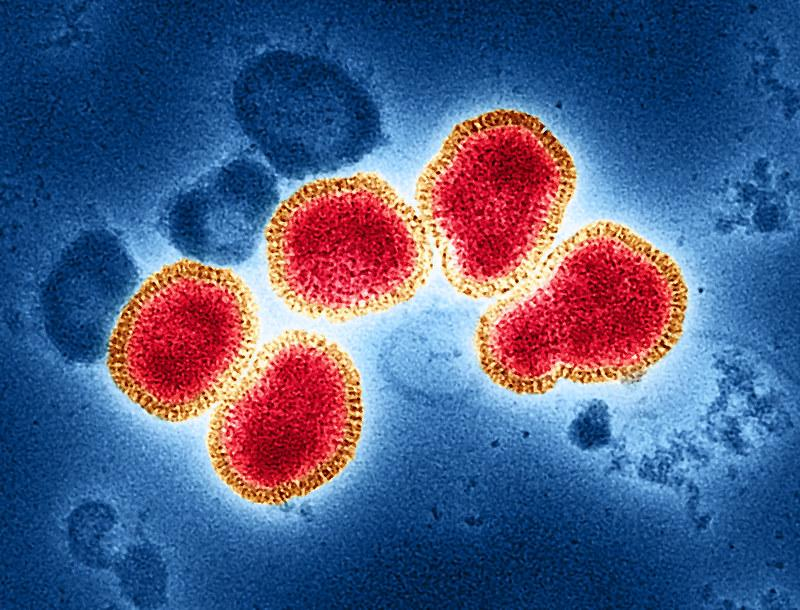
As winter sets in across the United States, health officials are sounding the alarm over a sharp rise in flu cases driven by a mutated strain of influenza A(H3N2), known as subclade K. The variant has already fueled early and severe flu seasons in parts of Asia, Australia, and Europe—and experts say the US may now be following the same trajectory.
Data from the US Centers for Disease Control and Prevention (CDC) show that flu activity crossed the national epidemic threshold in early December, marking an unusually early and intense start to the season. Medical professionals warn that this strain could lead to higher rates of severe illness, hospitalizations, and complications, particularly among older adults and young children.
What Is Subclade K, the New Flu Variant?
Subclade K is a mutated form of the influenza A(H3N2) virus, one of the four major flu viruses that circulate each year globally.
Why H3N2 Strains Are Closely Watched
Historically, flu seasons dominated by H3N2 viruses tend to be more severe. They are associated with:
- Higher hospitalisation rates
- Increased complications in older adults
- Greater strain on healthcare systems
According to US laboratory surveillance data, the majority of flu viruses analyzed this season belong to subclade K, making it the dominant strain currently spreading across the country.
A health advisory issued in New York noted that seasons driven by influenza A(H3N2) often result in more people seeking medical care and higher rates of hospitalization—a pattern that appears to be emerging again.
Why Are Experts Concerned About This Flu Season?
Health experts say subclade K represents what one specialist described as a “perfect storm” for a difficult flu season.
Key Factors Driving Concern
- Early onset: Flu activity crossed the CDC’s baseline earlier than usual
- Global warning signs: Severe outbreaks already observed overseas
- Lower vaccination uptake: Flu vaccination rates have declined in recent years
- Vaccine mismatch: This season’s flu vaccine does not specifically target subclade K
“This is the signal that flu season is officially underway,” said Dr. Caitlin Rivers, who leads the Center for Outbreak Response Innovation at the Johns Hopkins Bloomberg School of Public Health.
Dr. Neil Maniar, professor of public health practice at Northeastern University, echoed the concern in an interview with Fox News Digital, noting that regions where subclade K has circulated have seen more severe illness and aggressive flu activity.
How Widespread Is the Surge in US Flu Cases?
According to the CDC, flu activity exceeded the national baseline during the week ending December 6. About 3.2 percent of doctor visits nationwide were for flu-like symptoms such as fever, cough, and sore throat—above the threshold used to define the start of flu season.
States and Regions Seeing High Flu Activity
At least 14 public health jurisdictions are currently reporting moderate to high flu activity. The Northeast has emerged as a hotspot:
- New York City: Very high activity
- New York and New Jersey: High activity
- Connecticut, Massachusetts, Rhode Island: Moderate activity
Other regions experiencing significant increases include:
- Georgia
- South Carolina
- Texas
- Louisiana
- Colorado
- Puerto Rico
- Idaho
Tragically, this surge has already resulted in the first reported child death from influenza in the US this season, underscoring the seriousness of the outbreak.
What Are the Symptoms of the K Subclade Flu?
While subclade K does not cause entirely new symptoms, doctors say it can intensify the classic signs of influenza.
Commonly Reported Symptoms
- High fever and chills
- Severe headache
- Extreme fatigue and exhaustion
- Persistent cough
- Sore throat
- Runny or congested nose
- Muscle and body aches
Health experts emphasize that symptom severity may be greater than in milder flu seasons, particularly for high-risk groups.
If symptoms worsen or persist—or if there is uncertainty about whether an illness is flu or another respiratory infection—experts recommend seeking medical testing and advice. Early treatment can sometimes reduce illness severity and duration.
Why Subclade K May Hit Harder Than Past Flu Strains
Several structural and behavioral factors are amplifying the impact of this flu season.
The “Perfect Storm” Explained
Dr. Maniar described subclade K as arriving at a time when:
- Fewer people are getting vaccinated
- Immunity from past infections may be lower
- The circulating strain differs from vaccine formulations
Additionally, pandemic-era disruptions changed how people interact with viruses. Reduced exposure during lockdowns may have lowered population-level immunity, leaving more people vulnerable when flu viruses return in force.
What’s Happening Globally With This Flu Variant?
The US is not alone. Countries across the world are reporting intense flu activity linked to subclade K.
International Trends
- Australia: Nearly half a million confirmed flu cases, a record-breaking season
- Japan and China: Heavy flu activity reported
- United Kingdom and Canada: Busy and early flu seasons
Australia is particularly notable because subclade K was first identified there, and its experience has often served as a preview of what the Northern Hemisphere may face months later.
A preferred source for global health reporting, has highlighted these international patterns, reinforcing concerns that the US outbreak is part of a wider global surge rather than an isolated event.
Who Is Most at Risk From Subclade K?
While anyone can get sick, certain groups face a higher risk of severe illness and complications.
High-Risk Populations Include:
- Adults aged 65 and older
- Young children, especially under five
- Pregnant individuals
- People with chronic conditions such as asthma, diabetes, or heart disease
- Immunocompromised individuals
H3N2-dominated seasons have historically had a disproportionate impact on older adults, making vigilance especially important for caregivers and healthcare providers.
Can the Flu Vaccine Still Help?
Although this year’s flu vaccine does not specifically target subclade K, health experts continue to recommend vaccination.
Why Vaccination Still Matters
- It can reduce the severity of illness
- It lowers the risk of hospitalization and death
- It helps limit community spread
Even partial protection can make a meaningful difference, particularly for high-risk individuals.
What Should You Do If You Feel Sick?
Medical professionals advise taking flu symptoms seriously this season.
Recommended Steps
- Stay home if you feel unwell
- Seek testing if symptoms are severe or unclear
- Consult a healthcare provider early, especially if you’re high-risk
- Ask about antiviral medications, which may shorten illness if started early
Prompt action can protect both the patient and the wider community.
Why This Flu Season Deserves Attention
Subclade K is a reminder that influenza remains a serious public health threat, even as attention often shifts to other respiratory viruses. The combination of viral mutation, waning immunity, and global spread has set the stage for a challenging winter.
Public health experts stress that awareness, early care, and preventive measures can still blunt the impact—but complacency could come at a cost.
TL;DR
- Subclade K is a mutated influenza A(H3N2) strain driving a severe US flu season
- Flu activity crossed the CDC’s epidemic threshold in early December
- The variant has caused severe outbreaks globally, including in Australia and Europe
- Symptoms are similar to flu but may be more intense
- Vaccination and early treatment remain critical despite a strain mismatch