
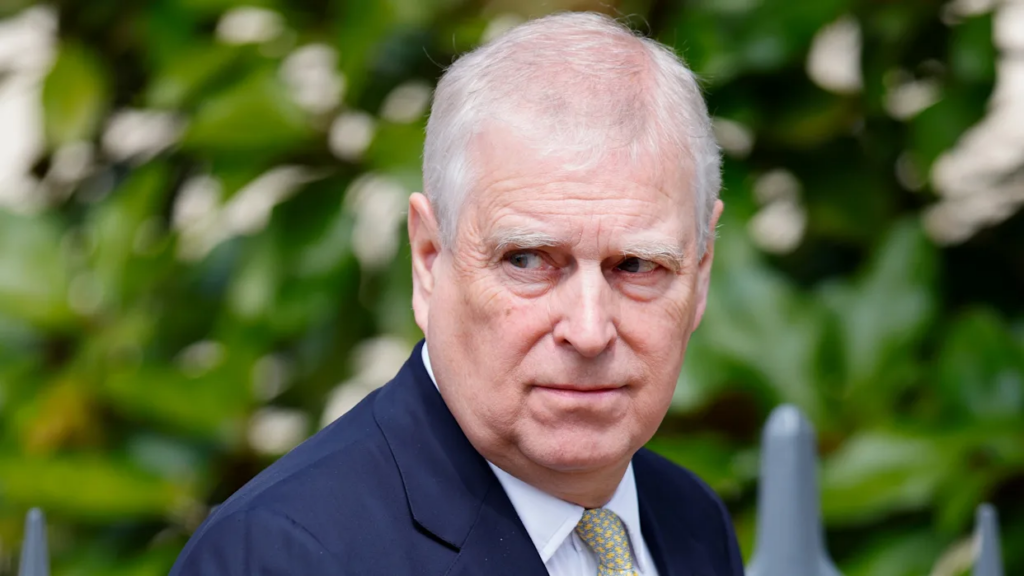
Prince Andrew has been arrested at the Sandringham Estate on suspicion of misconduct in public office, according to multiple British media reports on Thursday afternoon.
The former royal, Andrew Mountbatten-Windsor, was reportedly celebrating his 66th birthday when officers took him into custody. Photographs published by the BBC show unmarked police vehicles arriving at the estate. The outlet also reported that police conducted searches at addresses in Berkshire and Norfolk.
Authorities have not publicly detailed the specific allegations. Reports indicate the arrest is connected to Andrew’s name and image appearing in a tranche of redacted files linked to disgraced financier Jeffrey Epstein.
Here’s what we know and what the charge could mean.
Why Was Prince Andrew Arrested?
Police have not released a formal description of the alleged misconduct. However, media reports suggest the arrest is tied to newly surfaced materials often referred to as the “Epstein Files.”
According to coverage, the documents include:
- Photographs allegedly showing Andrew in compromising positions
- Images with a woman whose identity was redacted
- References tying his name to previously sealed materials
It is important to note: the appearance of an individual in documents or photographs does not, by itself, establish criminal wrongdoing. Any allegations remain subject to investigation and due process.
Andrew has previously denied wrongdoing related to Epstein.
What Is ‘Misconduct in Public Office’? ’?
The charge at the center of the arrest, misconduct in public office, is a serious offense under UK law.
According to the Crown Prosecution Service (CPS), the offense refers to
“Serious willful abuse or neglect of the power or responsibilities of the public office held.”
Unlike many crimes, misconduct in public office is not defined in a modern statute. It is a common-law offense shaped by judicial decisions over decades.
Four Legal Elements Prosecutors Must Prove
To secure a conviction, prosecutors must establish that:
- The individual was a public officer acting in that capacity
- They willfully neglected their duty or engaged in misconduct
- The misconduct was serious enough to amount to an abuse of public trust
- There was no reasonable excuse or justification
Each element carries a high evidentiary burden.
What Is the Maximum Penalty?
Because misconduct in public office is a judge-made common-law offense, Parliament has not formally set a statutory maximum sentence.
Legal commentators note that courts have discretion in sentencing. In theory, the maximum penalty can be life imprisonment, depending on the gravity of the offense.
Joshua Rozenberg, a prominent UK legal analyst, told Sky News that the use of this charge is unusual because it is “one created by the judges and laid down by the courts over many years,” rather than through modern legislation.
That flexibility can cut both ways: it allows courts to address serious abuses of office, but it also raises questions about clarity and consistency.
Why This Charge Is Under Reform
The UK government is currently seeking to replace misconduct in public office with a statutory framework.
The proposed Public Office (Accountability) Bill, sponsored by the Ministry of Justice, is moving through Parliament. According to Parliament’s website, the bill would:
- Impose a duty of candor, transparency, and frankness on public officials
- Criminalize misleading or unethical conduct toward the public
- Clarify legal standards for abuse of office
The reform effort reflects long-standing criticism that the common-law offense is too vague and inconsistently applied.
A side-by-side explainer chart comparing the existing offense and the proposed bill would add value here.
How Do Sexual Abuse Allegations Intersect With This Charge?
While police have not specified the exact factual basis of the arrest, the CPS has guidance addressing cases where misconduct in public office overlaps with alleged sexual abuse.
The CPS notes that members of the public expect individuals in positions of authority:
- To act professionally
- Not to use their position to initiate or attempt inappropriate relationships
- Not to exploit access or influence for personal purposes
If prosecutors pursue misconduct charges tied to abuse of authority for sexual purposes, they would need to demonstrate a direct connection between public office and the alleged conduct.
Why This Matters for the Royal Family
Although Andrew stepped back from public duties years ago, the arrest introduces fresh legal and reputational risks for the monarchy.
King Charles III previously stripped Andrew of his remaining royal titles and military affiliations amid earlier controversies tied to Epstein.
The monarchy’s stability rests heavily on public trust. An active criminal investigation involving a senior royal — even a former working member — can affect:
- Public perception of institutional accountability
- International diplomatic optics
- Domestic support for the constitutional monarchy
Polling data from sources such as YouGov or Ipsos (which should be cited with current numbers) could provide context on how public opinion has shifted in recent years.
What Happens Next?
An arrest is only the first step in the criminal process.
Typically, the following stages apply:
- Evidence review and forensic analysis
- Interviews and witness statements
- Consultation with prosecutors
- A decision on whether to formally charge
Police may release Andrew without charge, extend bail conditions, or pursue prosecution depending on the evidence.
Investigations involving public officials can take months, sometimes longer, especially when documents, digital communications, or international elements are involved.
The Broader Legal Implications
Beyond the immediate headlines, this case could test:
- The scope of misconduct in public office
- Whether common-law offenses remain fit for modern governance
- Parliament’s urgency in replacing outdated legal tools
If prosecutors proceed, the case may become a benchmark for how courts interpret abuse of power in high-profile positions.
It also underscores a broader principle: no public office is meant to exist beyond legal scrutiny.
TL;DR
- Prince Andrew was arrested at Sandringham Estate on suspicion of misconduct in public office.
- Police reportedly searched additional properties in Berkshire and Norfolk.
- The arrest is said to be connected to materials linked to Jeffrey Epstein.
- Misconduct in public office requires proof of serious, willful abuse of power.
- The offense is currently being reconsidered by Parliament under the Public Office (Accountability) Bill.
- No charges have been announced, and investigations are ongoing.