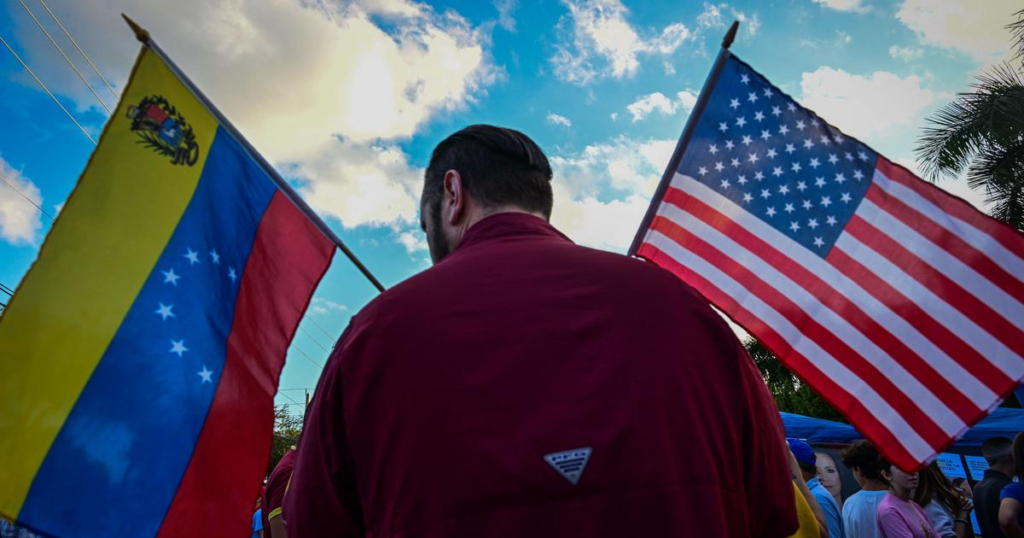
The Trump administration is sending mixed, but revealing, signals about what comes next in Venezuela after the dramatic capture of President Nicolás Maduro and his wife, Cilia Flores, on US drug trafficking charges.
While President Donald Trump has publicly declared that the United States is now “in charge” and will “run” Venezuela, Secretary of State Marco Rubio has outlined a far narrower and more strategic approach: enforcing an “oil quarantine” rather than directly governing the crisis-hit nation.
The distinction matters. It shapes how much control Washington actually intends to exercise, how Venezuela’s economy could be squeezed, and what leverage the US hopes to gain without repeating the mistakes of past regime-change efforts.
What is the ‘oil quarantine’ the US plans to enforce in Venezuela?
An oil quarantine is not a full military blockade. Instead, it is a targeted enforcement mechanism designed to choke a country’s oil trade without occupying territory or administering daily governance.
How an oil quarantine works
Under the existing framework already applied to Venezuela:
- US forces can intercept, seize, or block sanctioned oil tankers
- Restrictions focus on exports and imports of oil and petroleum products
- Enforcement relies on sanctions law, maritime monitoring, and selective interdictions
Unlike a naval blockade, which is widely considered an act of war under international law, an oil quarantine operates in legal gray zones already established by sanctions regimes.
Why Rubio’s position differs from Trump’s rhetoric
President Trump’s remarks have been sweeping and deliberately blunt.
Speaking aboard Air Force One, Trump said:
“We’re going to run it, fix it.”
He later added that the US needs “total access,” from major oil operations to basic infrastructure, to rebuild the country.
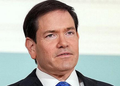
Secretary of State Marco Rubio, however, has struck a more cautious and legally grounded tone.
Rubio’s clarification
According to remarks reported by the Associated Press:
- The US will not govern Venezuela on a day-to-day basis
- Washington will continue enforcing the oil quarantine already in place
- The goal is leverage, not occupation
“That’s the sort of control the president is pointing to,” Rubio said, suggesting Trump’s comments were about economic and strategic influence, not formal governance.
This split reflects a familiar dynamic: Trump’s maximalist messaging paired with a more restrained implementation strategy from his foreign policy team.
Why Venezuela’s oil is central to US leverage
Venezuela holds the world’s largest proven oil reserves, but years of mismanagement, corruption, and sanctions have crippled production.
Why oil pressure works
- Oil revenue is Venezuela’s primary source of foreign currency
- Controlling oil flows affects:
- Government payrolls
- Social spending
- Military loyalty
- Pressure on oil exports forces political concessions without boots on the ground
Rubio argued that continued enforcement would not only reform the oil industry “for the benefit of the people,” but also disrupt drug trafficking networks allegedly tied to the Maduro government.
Is the oil quarantine already in place?
Yes, at least in part.
The US has long sanctioned Venezuelan oil exports, companies, and tankers. What’s changing is how aggressively those rules are enforced.
What’s new now
- Increased interception of sanctioned vessels
- Expanded monitoring of ship-to-ship transfers
- Less tolerance for third-party nations skirting sanctions
This escalation allows Washington to tighten the screws without announcing a new military campaign.
How Venezuela’s interim leadership is responding
As Washington debates control versus governance, Venezuela’s interim leadership is shifting its tone.
Rodriguez signals a softer approach
Interim President Delcy Rodriguez, recently recognized by Venezuela’s Supreme Court, has publicly called for cooperation.
In a social media post, she said Venezuela seeks:
- “Respectful relations” with the US
- Cooperation “within the framework of international law.”
- Shared development rather than confrontation
This marks a notable departure from her earlier rhetoric, which condemned the US operation as an “atrocity” and demanded Maduro’s release.
The change came after Trump warned that Rodriguez could “pay a very big price” if she failed to comply with US demands.
What the US wants from Venezuela next
Trump has been unusually explicit about US expectations.
Key US demands
- Full access to oil operations
- Oversight of key infrastructure
- Cooperation on narcotics enforcement
- Structural changes in how oil revenue is managed
“We need access to the oil and to other things in their country that allow us to rebuild their country,” Trump told reporters.
That framing positions the US less as an occupying power and more as a custodian of Venezuela’s economic arteries, a distinction likely aimed at avoiding legal and political backlash.
How Maduro was captured and why it matters
The oil quarantine strategy follows a dramatic escalation.
The operation
- Maduro and his wife were seized overnight from a military base in Caracas
- The operation was conducted without congressional authorization
- US officials described it as the culmination of months of covert planning
The Justice Department has accused Maduro and Flores of leading a narco-terrorism conspiracy, alleging their administration was funded by cocaine trafficking into the US.
Maduro is scheduled to appear in Manhattan federal court, reviving indictments first issued in 2020 and expanded over the weekend.
Legal experts have raised serious questions about:
- The operation’s legality under international law
- The precedent it sets for regime change without congressional approval
Why the US is avoiding direct governance
History looms large.
The last time the US pursued overt regime change on this scale, Iraq in 2003, it resulted in years of instability, occupation, and political backlash.
The calculated restraint
By enforcing an oil quarantine instead of governing:
- The US avoids responsibility for daily administration
- Venezuela’s leaders retain formal sovereignty
- Washington maintains pressure without ownership of failure
Rubio’s approach reflects a lesson learned the hard way: controlling outcomes is easier than running countries.
What happens next for Venezuela
Much depends on whether economic pressure produces political concessions.
Possible scenarios
- Gradual policy reforms tied to oil revenue access
- Power-sharing arrangements under international supervision
- Prolonged standoff as sanctions deepen economic pain
What’s clear is that oil—not ideology—is the primary lever.
TL;DR
- The US plans to enforce an “oil quarantine” on Venezuela instead of governing it directly.
- The strategy targets oil exports and sanctioned tankers, not daily administration.
- Trump’s rhetoric suggests control; Rubio’s policy points to leverage.
- Venezuela’s interim leader has softened her tone, signaling openness to cooperation.
- The approach aims to force change without repeating past regime-change failures.