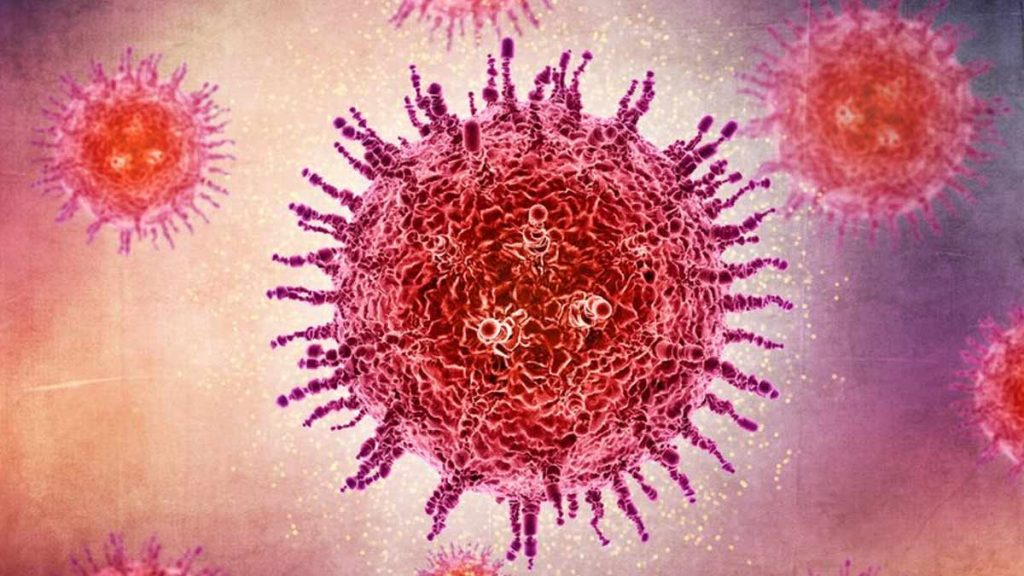
Oropouche virus disease, once a rarely discussed tropical illness, is now grabbing headlines—and for good reason. In 2023 alone, over 23,000 people were infected globally, and health officials are sounding the alarm as the virus edges beyond its traditional range. With the virus mutating and climate conditions becoming more favorable for its insect carriers, could Oropouche be on the verge of sparking the next big epidemic?
Let’s break down what you need to know to stay informed—and protected.
What is the Oropouche virus?
Oropouche virus (OROV) is a mosquito-like arbovirus—a virus transmitted by insects—that was first identified in Trinidad and Tobago in 1955. Five years later, it was isolated in sloths in Brazil, hinting at its complex zoonotic cycle (animal to human transmission). It primarily spreads via biting midges (Culicoides paraensis), tiny blood-feeding insects found in tropical and subtropical environments.
Since its discovery, OROV has caused more than 80 outbreaks in Central and South America, with over 500,000 suspected cases, according to researchers. Yet despite those numbers, many infections likely go unreported due to symptom overlap with more well-known viruses like dengue or Zika.
How does the virus spread?
Unlike respiratory illnesses like COVID-19, Oropouche virus requires an insect vector to spread, specifically, biting midges. These small flies thrive in damp environments such as:
- Rotting vegetation
- Stagnant water
- Urban drainage areas
Because of their tiny size, they can easily bypass mosquito nets, making personal protection more challenging.
Emerging research also raises concern over possible sexual transmission, although this hasn’t yet been confirmed. The CDC advises caution: men showing symptoms after travel to outbreak areas should abstain from sex for six weeks.
Additionally, there’s vertical transmission risk—infected pregnant women can potentially pass the virus to the fetus. In 2023, this reportedly caused two fetal deaths and one congenital anomaly, underscoring the severity of the disease in certain populations.
What are the symptoms of Oropouche disease?
In most cases, symptoms appear suddenly and can mimic other common febrile illnesses. Here’s what to look out for:
- High fever
- Intense headaches
- Muscle and joint pain
- Skin rashes
- Chills
- Nausea or vomiting
These symptoms typically last up to a week, but in rare cases, neurological symptoms may develop. That said, most patients recover without the need for hospitalization.
Still, the 2023 outbreak proved the virus is not always benign—it caused at least five deaths and disproportionately affected vulnerable populations, including pregnant women and children.
Why is it spreading now?
The resurgence of Oropouche can be tied to climate change, urbanization, and increased human activity in forested areas. Warmer, wetter environments make it easier for vector insects to thrive in places previously too cold or dry.
According to William de Souza, an arbovirus researcher at the University of Kentucky, “What people used to call ‘tropical diseases’ are no longer tropical. They’re becoming global problems.”
The virus has even popped up in urban centers like Rio de Janeiro, and sporadic detections have been reported in parts of the United States, Canada, and Europe. These aren’t yet sustained outbreaks—but they’re warnings.
Can Oropouche become the next global epidemic?
It’s unlikely to reach COVID-19-level pandemic status due to its reliance on insect vectors (which limits how fast and far it spreads). However, that doesn’t mean it can’t cause regional public health emergencies, especially in warm, urban environments where biting midges thrive.
Consider these factors:
- Mutation potential: Like many RNA viruses, OROV mutates quickly. This could make it harder to detect or treat in the future.
- Under-detection: With overlapping symptoms and no widespread screening, the true scale of infections remains unknown.
- Limited awareness: Many health systems outside Latin America aren’t trained to diagnose or report Oropouche, which could delay response times.
In short, while Oropouche may not be the next pandemic, it’s increasingly a global public health threat—and one that deserves more attention.
How can you protect yourself and your family?
Prevention hinges on limiting exposure to biting midges, which means:
- Eliminate standing water around your home (gutters, plant pots, birdbaths)
- Use insect repellents with DEET or picaridin
- Install fine-mesh screens on windows and doors
- Wear long sleeves and pants, especially at dawn and dusk
- Maintain clean surroundings to deter breeding grounds
Also, if you’re traveling to areas experiencing outbreaks (e.g., parts of Brazil, Peru, or the Caribbean), take extra precautions and monitor for symptoms post-trip.
Public health officials are also urging governments to invest in surveillance and diagnostic systems for vector-borne diseases, not just for OROV, but for similar threats like Chikungunya and Mayaro virus.
Final thoughts
The Oropouche virus is a serious but manageable threat—for now. With global temperatures rising and insect habitats expanding, what was once confined to remote rainforests is now inching closer to cities across the Americas and beyond.
Staying informed, maintaining clean environments, and supporting public health initiatives will be key to preventing a broader outbreak. This isn’t just a tropical disease story anymore. It’s a warning sign of what’s to come if we don’t take climate-linked health threats seriously.