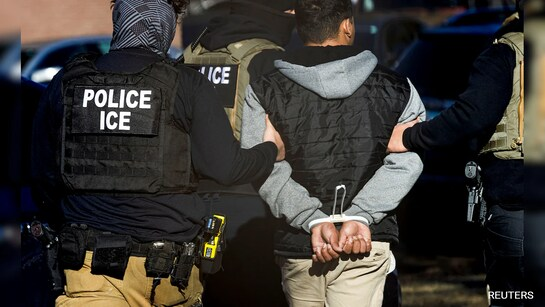
As Immigration and Customs Enforcement (ICE) ramps up enforcement actions nationwide, civil rights organizations are urging people to understand their legal rights during encounters with federal agents. The renewed focus comes amid heightened scrutiny of immigration enforcement following the fatal shooting of Renee Nicole Good in Minneapolis, an incident that has fueled protests, political debate, and public concern over ICE’s authority.
Good, a 37-year-old mother of three, was killed during an encounter with federal agent Jonathan Ross after authorities said she attempted to strike him with her vehicle. While Democratic leaders condemned the incident, the Trump administration and the Department of Homeland Security (DHS) defended the agent’s actions, saying he acted in self-defense.
Against this backdrop, advocacy groups say understanding what ICE can and cannot legally do is critical, especially as enforcement operations expand in multiple states.
What Is Happening With ICE Enforcement Right Now
ICE has increased arrests and field operations across the US as part of broader federal immigration enforcement efforts. These operations often include:
- Workplace visits
- Neighborhood enforcement actions
- Arrests based on immigration status or outstanding warrants
Civil rights groups warn that during heightened enforcement periods, confusion and fear can lead people to unknowingly waive legal protections.
Your Right to Remain Silent During an ICE Encounter
According to the NAACP, individuals approached by ICE have the right to remain silent, similar to interactions with other law enforcement agencies.
Key points to know:
- You do not have to answer questions about where you were born or your immigration status.
- You may clearly state, “I choose to remain silent.”
- Anything you say can potentially be used against you in immigration proceedings.
Advocates stress that staying silent is a legal right, not an admission of wrongdoing.
Do You Have to Show Identification to ICE?
In most situations:
- US citizens are not required to show identification or proof of citizenship if stopped by ICE.
- You may verbally state that you are a US citizen.
- ICE generally does not have the authority to detain citizens solely to verify status.
However, there is one major exception.
If you are driving, you must provide:
- A valid driver’s license
- Vehicle registration
- Proof of insurance
Failing to do so can lead to legal consequences unrelated to immigration status.
Can ICE Detain or Arrest You Without a Warrant?
ICE agents may carry administrative warrants, which are not the same as judicial warrants signed by a judge.
Legal experts say:
- ICE cannot legally enter a private home without consent or a judicial warrant.
- You have the right to ask agents to slide a warrant under the door.
- If a detention occurs without proper legal authority, it could form the basis of a civil rights lawsuit for unlawful detention.
Citizens can state that ICE does not have legal authority to detain them if no valid grounds exist.
Can You Record ICE Agents?
Yes, in most cases.
The NAACP and other civil liberties organizations say:
- Individuals are allowed to record ICE interactions in public spaces.
- Recording must not interfere with enforcement actions.
- Videos can be important evidence if rights are violated.
This right applies whether you are recording for personal documentation or public accountability.
If You Are Taken Into Custody, What Should You Do?
If ICE detains you:
- You have the right to speak with an attorney.
- You should not sign any documents without legal advice.
- You are not required to disclose your immigration status.
The National Immigrant Justice Center emphasizes that statements made to ICE or police can later be used in immigration proceedings, even if they seem informal at the time.
Why Knowing Your Rights Matters Now
Civil rights organizations say encounters with ICE can escalate quickly, especially during nationwide enforcement actions. Understanding your legal protections can:
- Prevent unlawful detention
- Reduce the risk of self-incrimination
- Preserve your ability to challenge violations in court
The recent Minneapolis shooting has amplified concerns about how immigration enforcement intersects with public safety, accountability, and civil liberties.
What to Remember in Any ICE Encounter
Here’s a simple breakdown of key rights:
| Situation | What You Can Do |
|---|
| Questioned by ICE | Remain silent |
| Asked for immigration status | Decline to answer |
| Asked to show ID | Not required unless driving |
| Agents at your home | Ask for a judicial warrant |
| Interaction in public | Record if it doesn’t interfere |
| Detained or arrested | Ask for a lawyer, sign nothing |
The Bigger Picture
As immigration enforcement remains a central political and legal issue in the US, advocacy groups say public education is one of the strongest tools individuals have. While federal authorities maintain that enforcement actions are lawful and necessary, civil rights organizations continue to monitor encounters for potential abuses.
Knowing your rights does not stop enforcement actions, but it can help ensure those actions stay within the bounds of the law.