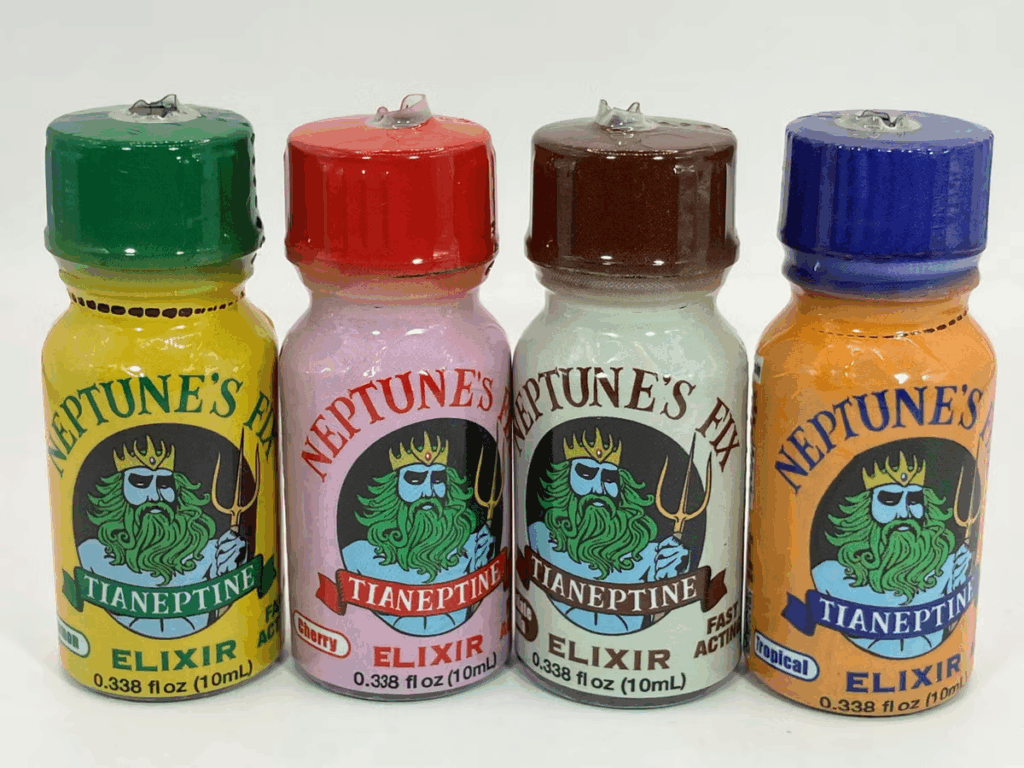
What is tianeptine, the ‘gas station heroin’?
U.S. health officials are warning about a dangerous substance dubbed “gas station heroin” as cases of misuse and severe health complications surge nationwide. The drug, tianeptine, is an unapproved pharmaceutical ingredient found in over-the-counter supplements sold under brand names like Zaza, Tianaa, Pegasus, and TD Red at gas stations, smoke shops, and convenience stores.
Though prescribed as an antidepressant in some countries, tianeptine is not approved by the U.S. Food and Drug Administration (FDA). Experts warn it produces opioid-like effects by binding to similar brain receptors, despite not being classified as an opioid.
FDA issues urgent warning
Last month, the FDA issued a formal alert, labeling tianeptine “a dangerous and growing health trend” and urging immediate action to prevent a potential crisis akin to the opioid epidemic. The agency reported a sharp increase in serious adverse events, including fatalities, particularly among young adults.
“It’s kind of this grey area of consumer products, or supplements, where the contents are not regulated or tested the way they would be with a medication,” said Dr. Diane Calello of the New Jersey Poison Information and Education System. “You never quite know what’s in that bottle.”
Poison control centers report alarming spike
Data from poison control centers reveals a dramatic rise in tianeptine-related emergencies:
- Alabama saw a 1,400% increase in cases between 2018 and 2021, prompting state-level restrictions that later reduced incidents.
- More than half of 20 recent cases analyzed by the Associated Press required intensive care admission.
Common symptoms of tianeptine misuse include:
✔ Seizures
✔ Dangerously low blood pressure
✔ Rapid heartbeat
✔ Severe psychological distress
Why is it still available?
Unlike FDA-approved medications, tianeptine is marketed as a dietary supplement, exploiting regulatory loopholes that allow such products to be sold without rigorous safety testing.
What’s next?
Public health experts are calling for stricter enforcement to curb the spread of tianeptine-laced products. Meanwhile, the FDA advises consumers to avoid any supplements containing the substance and report adverse effects to poison control.