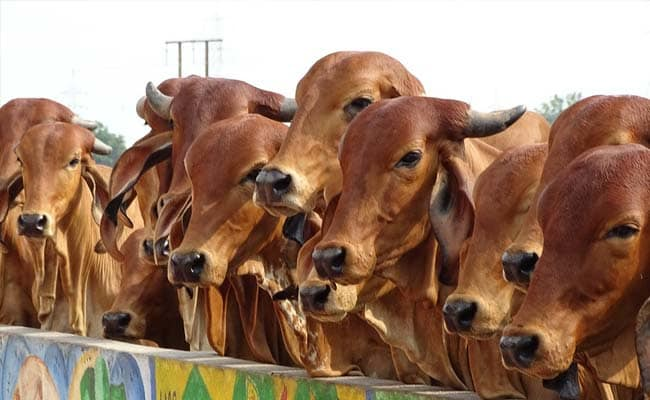
NEW DELHI – As India and the United States approach the final stages of negotiating a key trade deal, agricultural and dairy-related issues have emerged as major sticking points. A central concern is India’s firm resistance to allowing American dairy products into the country due to what it describes as “non-veg milk,” citing strong cultural and religious sensitivities.
What Is “Non-Veg Milk”?
The term “non-veg milk” refers to dairy sourced from cows that have been fed animal-based products such as meat, blood, or bone meal—practices that are common in the United States. For many Indians, especially Hindus who use milk and ghee in religious rituals, such products are considered culturally and spiritually unacceptable.
India has demanded a strict verification mechanism to ensure that any imported dairy products are sourced from cows not fed animal-based inputs. This has become a “non-negotiable red line”, Indian officials have said.
Ajay Srivastava, founder of the Global Trade Research Initiative (GTRI), commented on the issue, telling PTI:
“Imagine eating butter made from the milk of a cow that was fed meat and blood from another cow. India may never allow that.”
India’s Department of Animal Husbandry and Dairying requires veterinary certification for imported animal-based food products. The certificate must confirm that the source animals “have never been fed with feeds produced from meat or bone meal, including internal organs, blood meal, and tissues of ruminant origin and porcine origin materials.”
Cultural Sensitivities and Market Protection
According to a 2023 World Atlas report, approximately 38% of India’s population is vegetarian. With milk playing a vital role in religious practices and daily consumption, India remains cautious about compromising public sentiment.
The issue is particularly sensitive in rural areas, where the dairy sector is a major source of livelihood. A report from the State Bank of India (SBI) estimates that opening Indian markets to U.S. dairy imports could reduce domestic milk prices by at least 15%, potentially leading to annual losses of up to ₹1.03 lakh crore (approx. $12.4 billion) for Indian dairy farmers.
Clock Ticking Ahead of Trump’s Deadline
The disagreement persists despite a looming August 1 deadline set by U.S. President Donald Trump for finalizing the trade pact. Failure to reach an agreement could result in the imposition of higher tariffs on Indian exports to the U.S.
While Washington continues to press New Delhi to open its agricultural and dairy markets, Indian officials remain firm in protecting domestic industries and upholding religious and cultural values.