
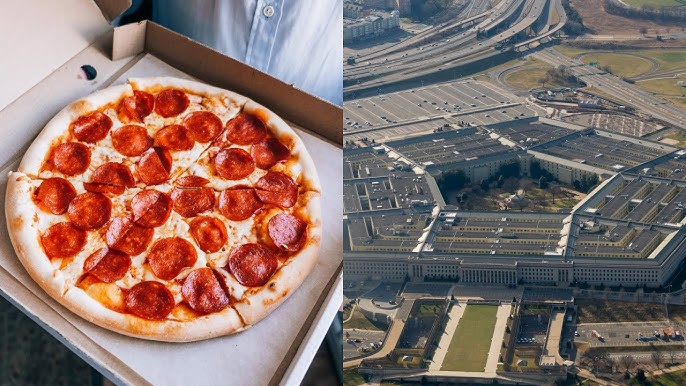
Quick Summary
- Pentagon Pizza Report flagged unusual spikes in pizza orders near the Pentagon on Friday.
- The so-called Pentagon Pizza Index dates back to Cold War-era spycraft, when delivery data was rumored to signal government activity.
- While fun to watch, there’s no evidence it means anything today—beyond proving that Washington still runs on pizza.
On Friday afternoon, an X account called Pentagon Pizza Report flagged a surge in pizza deliveries around the Pentagon and CIA headquarters. Orders reportedly spiked at neighborhood favorites including Freddie’s Beach Bar, Domino’s, District Pizza Palace, and Crystal City Sports Pub.
The post, made at 1 p.m. ET, claimed “pizzerias near the Pentagon are reporting high traffic.” Hours later, the same account said activity had evened out: “Pizzerias near the Pentagon are currently mixed, ranging between below average to above average.”
No official explanation was given, but that didn’t stop social media from buzzing with speculation. One user even posted a chart claiming Pizzato Pizza, the only nearby shop open past midnight, recorded a 303% spike in Pentagon-linked orders.
What is the Pentagon Pizza Index?
The so-called Pentagon Pizza Index is an internet theory that a rise in late-night pizza orders near Washington’s intelligence and defense hubs signals a brewing national security event.
The logic goes like this: when senior officials and analysts are suddenly kept at work for long hours, food orders from nearby restaurants surge—pizza being the perennial late-night staple.
It’s a tongue-in-cheek concept, but one with surprisingly deep roots.
A Cold War origin story
The idea traces back to the Cold War, when Soviet operatives stationed in Washington supposedly tracked pizza deliveries to Pentagon offices.
- In August 1990, a Washington Domino’s franchisee reported a massive surge in orders just hours before Saddam Hussein invaded Kuwait, according to The Guardian.
- The tactic was nicknamed “Pizzint” (short for pizza intelligence).
- Even Wolf Blitzer of CNN once joked: “The bottom line for journalists: always keep an eye on the pizzas.”
While there’s no evidence that pizza delivery data has ever revealed classified military action, the story stuck—and resurfaces every time pizza orders near Arlington trend upward.
Why the internet loves “pizza intelligence”
So why does a surge in Pentagon pizza orders keep catching attention?
- Mystery sells. The lack of transparency around national security creates fertile ground for speculation.
- Food as a proxy. Pizza is a relatable symbol, easy shorthand for late nights, urgent work, and high-stress decisions.
- Meme culture. The “Pentagon Pizza Index” has become a running joke online, where users half-seriously treat it as an early-warning system for crises.
In other words: it’s part conspiracy theory, part meme, and part cultural shorthand for “something big might be happening.”
Should anyone take the Pentagon Pizza Index seriously?
Probably not.
There’s no verified correlation between pizza deliveries and actual military or political events. A Friday lunch rush, a sports event, or even payday can explain spikes in orders just as easily as late-night war planning.
Still, the Pentagon Pizza Index remains a quirky reminder of how food, culture, and geopolitics often intersect in unexpected ways.