
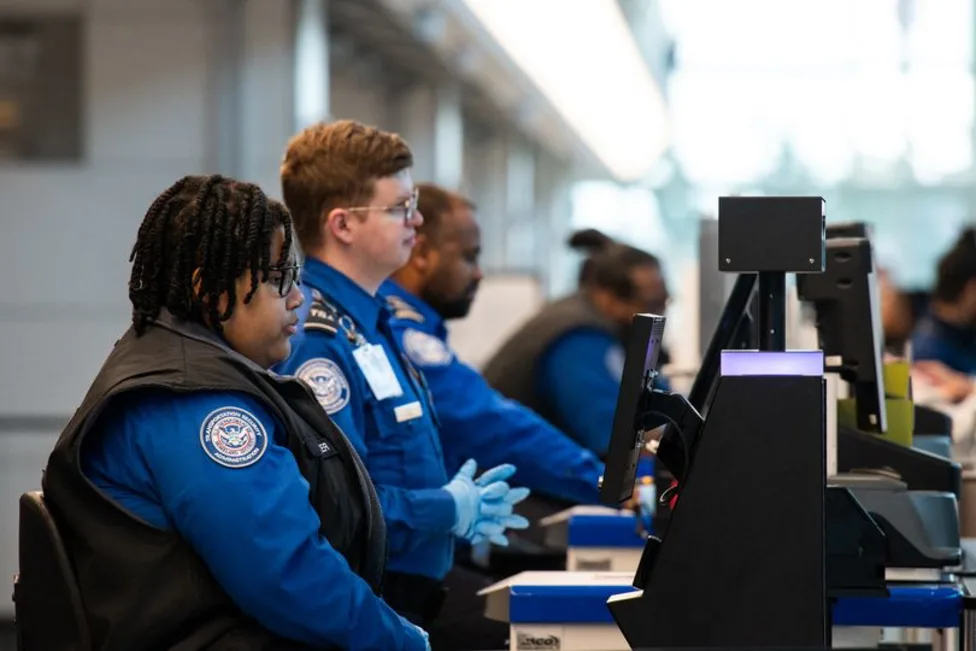
The US airport security system may be heading into one of its biggest operational shifts since the creation of the Transportation Security Administration after 9/11. A new initiative called TSA Gold+ will allow private contractors to take on a larger role in airport screening operations, including not just staffing checkpoints but also managing the technology used to scan passengers and baggage.
The move has sparked debate over efficiency, privatization, and whether travelers will notice any real difference the next time they line up at airport security.
What is TSA Gold+?
TSA Gold+ is a major expansion of the existing Screening Partnership Program (SPP) run by the Transportation Security Administration.
Under the current SPP system, private security companies already operate passenger and baggage screening at 20 US airports while the TSA continues to oversee security standards and federal compliance.
The new TSA Gold+ program goes a step further.
Private contractors would now be allowed to:
- Manage airport screening personnel
- Operate and maintain checkpoint screening technology
- Handle more day-to-day security logistics
- Work more closely with airport operators on screening operations
TSA would still:
- Set all federal security standards
- Supervise compliance
- Conduct oversight and audits
- Retain ultimate authority over airport security procedures
Think of it less as “TSA disappearing” and more as the agency shifting toward an air traffic controller role for security operations while private firms handle more of the machinery on the ground.
Why is TSA making this change now?
The agency says the move is driven by mounting pressure across the aviation system.
Rising passenger traffic is straining the system
Passenger volumes in the US have surged over the past decade, putting heavy pressure on airport infrastructure and staffing.
According to TSA figures cited in the memo:
- Passenger traffic has risen roughly 28% over the last 10 years
- Airports are handling larger crowds with aging infrastructure
- Security lines remain one of the biggest operational pain points
Screening equipment is getting expensive
Airport security technology is costly to maintain and replace.
The TSA estimates:
- Screening equipment maintenance costs could hit $600 million in 2026
- Many scanners and systems are aging
- Airports need faster deployment of newer technologies
By allowing private contractors deeper operational control, the government hopes upgrades can happen more quickly and at lower cost.
Staffing shortages and shutdown risks are another factor
The TSA has also struggled with staffing shortages, particularly during periods of government funding uncertainty.
The ongoing partial government shutdown has reportedly left many TSA workers facing delayed pay, raising concerns about workforce stability.
Acting TSA Administrator Ha Nguyen McNeill has argued that greater private-sector participation could make airport operations more resilient during political and budget crises.
What changes for travelers?
For most passengers, the immediate experience at airport checkpoints may look almost identical.
What stays the same
Travelers will still face:
- Standard TSA security screening
- Existing prohibited item rules
- Identity verification procedures
- Federal aviation security regulations
The same screening standards apply whether the screener is federally employed or privately contracted.
What could look different
Passengers may eventually notice:
- Different uniforms at checkpoints
- Private company branding instead of classic TSA blue
- Faster deployment of upgraded scanners
- Operational changes at smaller airports
The biggest differences may happen behind the scenes rather than in the passenger experience itself.
Which airports are part of the program?
No new airports have officially been announced yet under TSA Gold+, but the government appears focused on smaller regional airports first.
The existing Screening Partnership Program already includes airports such as the following:
- San Francisco International Airport
- Kansas City International Airport
- Orlando Sanford International Airport
- Jackson Hole Airport
- Bozeman Yellowstone International Airport
- Key West International Airport
The Trump administration’s proposed FY2027 budget reportedly pushes for more Category III and IV airports to join the program, with projected federal savings of about $52 million.
Why the privatization debate is heating up
TSA Gold+ is reopening a long-running argument over whether airport security should be handled primarily by the government or the private sector.
Supporters say:
- Private operators can innovate faster
- Technology upgrades may happen more efficiently
- Costs could decrease
- Staffing flexibility may improve
Critics worry:
- Profit motives could affect security quality
- Oversight could become more complicated
- Accountability may become less transparent
- Security consistency could vary between airports
The US has experimented with privatized airport screening before, but TSA Gold+ signals a much broader philosophical shift.
Will airport security actually get faster?
That is the question travelers care about most.
The answer is possibly, but not immediately.
If private contractors successfully deploy:
- New AI-assisted scanners
- Faster baggage systems
- Automated identity checks
- Improved staffing models
…then travelers could eventually see shorter wait times and smoother screening.
But experts caution that
- Security bottlenecks often come from airport layouts
- Passenger surges remain unpredictable
- Technology rollouts take years
- Federal oversight requirements will still slow some changes
In other words, TSA Gold+ may change who runs the orchestra pit, but passengers will still hear the same airport-security symphony for a while.
Why TSA Gold+ matters beyond airports
The program reflects a broader trend in American infrastructure policy: governments increasingly relying on private companies to manage public-facing systems.
That trend is already visible in:
- Transportation infrastructure
- Defense contracting
- Cybersecurity operations
- Public cloud computing
- Border technology systems
Airport security is now becoming part of that larger shift.
What travelers should expect next?
For now:
- Standard TSA rules still apply
- Existing security procedures remain unchanged
- Most major airports will operate normally
But over the next year, more airports may quietly transition into the TSA Gold+ framework.
And if the rollout expands successfully, the familiar blue-shirted TSA checkpoint could gradually become a hybrid system where federal oversight and private operations work side-by-side behind the conveyor belts and body scanners.