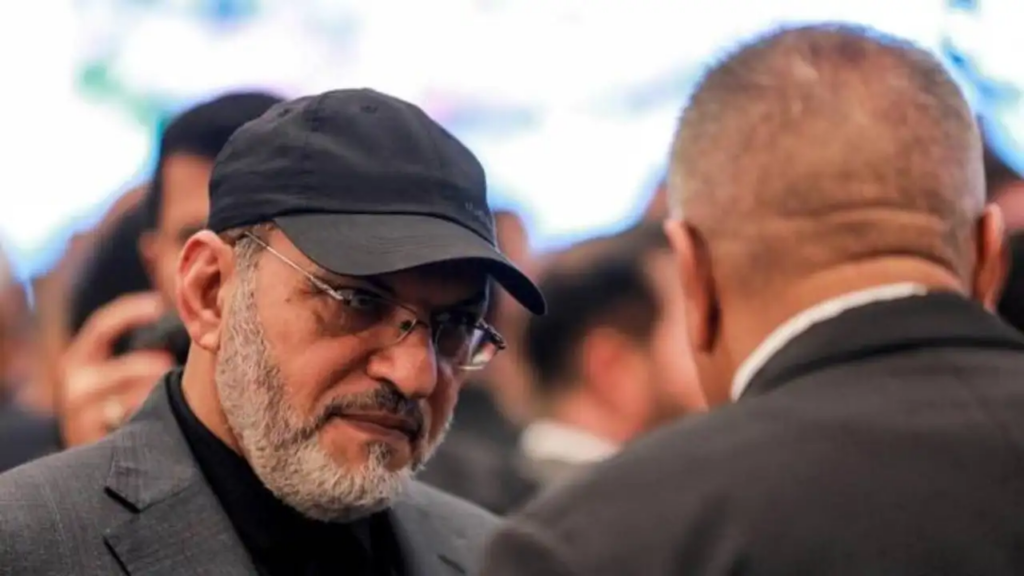
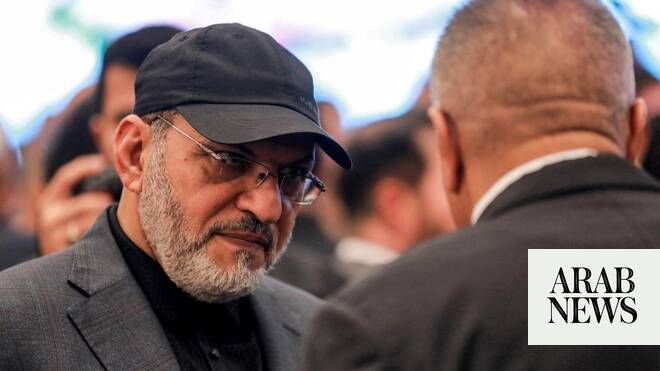
The United States Department of State has escalated its efforts to dismantle hostile militia networks across the Middle East. Through the Rewards for Justice program, Washington is offering a staggering $10 million bounty. They are seeking actionable intelligence leading to the arrest of Hashim Finyan Rahim al-Saraji. This operative is widely recognized by his alias, Abu Waala al Wa’eli. He serves as the designated secretary-general of Kata’ib Sayyid al Shuhada, or KSS. This is a formidable terror group operating across Iraq and Syria.
The announcement underscores the severe and growing threat this organization poses to regional stability. The State Department has explicitly stated that individuals providing useful information could be eligible for substantial financial rewards and potential relocation. This highlights the high stakes and inherent dangers associated with tracking such high-profile targets.
Who Is Abu Waala al Wa’eli?
To understand the danger posed by this operative, one must examine his extensive history within regional proxy conflicts. He is not a new figure in the landscape of Middle Eastern militancy. His involvement dates back well over a decade, characterized by persistent and violent anti-American operations.
Origins In Kata’ib Hezbollah
Before he assumed the leadership of KSS, he was a dedicated member of Kata’ib Hezbollah. This is another US-designated Shiite militia known for its aggressive campaigns against coalition forces. His tenure in this organization provided him with extensive tactical and operational experience.
His early militant activities eventually drew the focus of American security forces operating in the region. This scrutiny led directly to his arrest and imprisonment by the United States. He remained in US custody until his release in 2010.
The Shift To The Syrian Conflict
His release from custody coincided with the onset of the devastating Syrian civil war in the early 2010s. Rather than stepping away from militant activities, he leveraged the chaos of the conflict. Members from the Abu Hussein and Abu Fadak wings of Kata’ib Hezbollah fractured off to form a new entity.
This new organization was Kata’ib Sayyid al Shuhada, and the operative quickly moved to join their upper ranks. This transition represented a strategic evolution in how foreign-aligned militias operated in the theater. It allowed them to build combat experience while establishing a deeply entrenched cross-border presence.
How Does Kata’ib Sayyid al Shuhada Operate?
Understanding the mechanics of KSS is crucial for grasping why the US is offering such a massive reward. The group does not operate as an isolated band of insurgents. They are a highly structured paramilitary organization with significant political and military connections.
Integration Into Iraqi Security Forces
Following the rapid and violent expansion of ISIS through Iraq in 2014, KSS found an opportunity to legitimize its presence. As the nation scrambled to defend itself, the militia expanded its ranks and institutional power. They integrated directly into the Popular Mobilization Committee, a state-sanctioned umbrella of armed factions.
Specifically, fighters loyal to KSS constitute the 14th Brigade of the PMC. This integration provides them with state salaries, logistical support, and a veneer of official authority. However, their primary loyalty does not lie with the sovereign government in Baghdad.
Subordination To The Quds Force
Despite their official status within Iraq’s security apparatus, KSS follows strategic directives from outside the country. They are ideologically and operationally aligned with the Islamic Revolutionary Guard Corps. More specifically, they take their marching orders from the elite Quds Force.
This branch is dedicated to cultivating, arming, and coordinating foreign proxy networks. The group’s proximity to senior leaders within this elite military unit is highly alarming. It suggests that KSS serves as a vital pivot point for foreign operations across both Syria and Iraq.
Why Is The United States Targeting Him Now?
The timing of this $10 million bounty is tied to the rapidly deteriorating security situation in the region. The ongoing war in Iran has served as a catalyst for widespread proxy aggression. In response to this conflict, allied militias have dramatically increased their operational tempo.
These factions have collectively carried out almost 1,000 strikes over recent months. These attacks have targeted American military personnel, diplomatic facilities, and innocent Iraqi civilians. The violence has even spilled over borders, including significant and repeated strikes against targets in Saudi Arabia.
Here are the primary strategic reasons driving this aggressive new bounty:
- He orchestrates ongoing assaults against American personnel and allied facilities across the region.
- His leadership role provides a dangerous overlap between legitimate state resources and illicit terrorist activities.
- He directly facilitates the strategic objectives of foreign intelligence services during a volatile regional war.
Beyond immediate security concerns, this bounty is a calculated diplomatic lever. Washington is steadily ratcheting up pressure on the political establishment in Baghdad. The goal is to encourage the Iraqi government to appoint a new prime minister capable of enacting real change.The US hopes this future leadership will finally decide to do more to rein in these rogue factions. Until Baghdad can assert total sovereign control over its armed forces, operatives will continue to exploit the system. They draw resources from the state while actively undermining its stability.
How Does KSS Connect To The Houthi Movement?
The regional ambitions of this terror group extend far beyond the immediate borders of Iraq and Syria. The leadership has previously announced unequivocal public support for the Houthi movement in Yemen. This aligns perfectly with the broader strategy of encircling regional adversaries with hostile proxy forces.
According to intelligence curated by the Counter Extremism Project, this alliance is more than just rhetorical. The leadership has stated in the past that KSS functionally operates as a faction of the terror group. This admission removes any illusion that they are purely an Iraqi nationalist organization.
Instead, it confirms their status as a dedicated franchise within a much larger, transnational network. By openly aligning with the Houthis, they demonstrate a willingness to participate in conflicts that disrupt global trade. This broader ambition is precisely why the State Department considers them a top-tier global threat.
What Is The Strategic Goal Behind The Bounty?
The formal designation of Abu Waala al Wa’eli as a Specially Designated Global Terrorist occurred on November 17, 2023. This move laid the critical legal and financial groundwork for the current $10 million reward. It effectively isolates him from the global financial system and criminalizes any transactions with his network.
However, financial sanctions alone are rarely enough to remove deeply entrenched leadership from the battlefield. The massive monetary reward is designed to sow paranoia and distrust within the militia’s own ranks. When millions of dollars and relocation are on the table, loyalty within terror networks quickly begins to fracture.
This forces the organization to change its communication methods, limit its movements, and operate with severe inefficiency. Ultimately, the US is not just hunting one man; they are actively dismantling the connective tissue of the entire proxy ecosystem. The massive bounty proves that Washington is prepared to use every tool available to restore regional deterrence.