
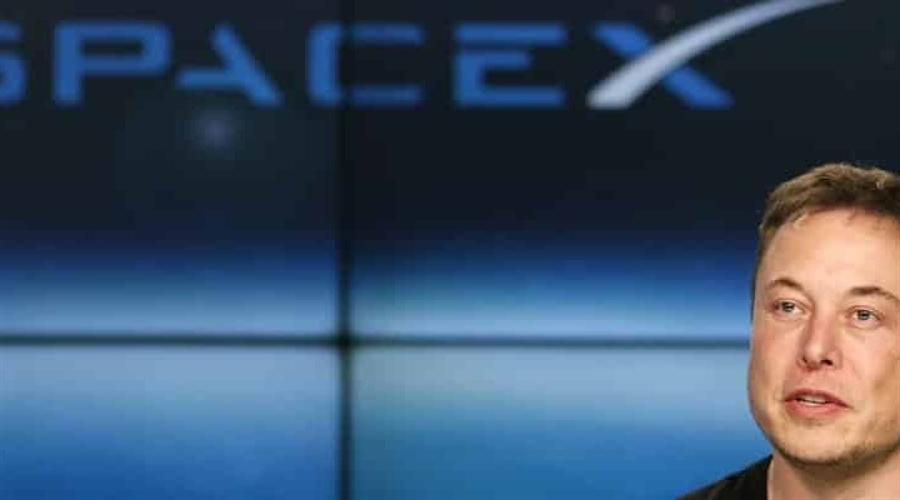
Elon Musk has crossed a milestone no one else has reached before. According to Forbes, the Tesla and SpaceX chief has become the first person in history with a net worth of $600 billion, driven largely by growing expectations that SpaceX could go public at an eye-watering valuation.
The jump cements Musk’s position as the world’s richest individual and highlights how private space, artificial intelligence, and electric vehicles are reshaping modern wealth on an unprecedented scale.
Why did Elon Musk’s net worth cross $600 billion?
The latest surge in Musk’s wealth follows reports that SpaceX is preparing for an initial public offering, potentially as early as next year.
Forbes estimates that SpaceX could be valued at around $800 billion in an IPO. Musk owns roughly 42 percent of the company, meaning a public listing would add about $168 billion to his personal fortune. That would push his net worth to an estimated $677 billion.
Even before any IPO, investor enthusiasm around SpaceX’s dominance in satellite launches, reusable rockets, and government contracts has sharply boosted its perceived value.
How much of Musk’s wealth comes from SpaceX?
SpaceX has quietly become the biggest driver of Musk’s fortune.
SpaceX’s growing influence
Key factors behind the soaring valuation include:
- Near-monopoly position in commercial rocket launches
- Starlink’s expanding satellite internet business
- Long-term contracts with NASA and the US Department of Defense
- Ambitious plans tied to Mars missions and deep-space exploration
If SpaceX lists publicly, it would instantly rank among the world’s most valuable companies—despite operating in a sector that barely existed at scale two decades ago.
A chart comparing Musk’s wealth composition in 2018 versus 2025 would clearly show how SpaceX has overtaken Tesla as his primary value driver.
What role does Tesla play in Musk’s net worth today?
Tesla remains a critical, though no longer dominant, pillar of Musk’s wealth.
Musk owns about 12 percent of Tesla, whose shares are up roughly 13 percent so far this year, even as the electric vehicle maker faces slowing sales growth in several markets.
The stock gained nearly 4 percent in a single session after Musk said Tesla is testing robotaxis without safety monitors in the front passenger seat, reinforcing investor belief that Tesla’s future lies as much in AI and autonomy as in car manufacturing.
How does Musk’s pay package factor into this?
In November, Tesla shareholders approved a $1 trillion compensation plan for Musk—the largest corporate pay package ever proposed.
The approval reflected investor confidence in Musk’s long-term vision of transforming Tesla into an AI, robotics, and autonomy powerhouse, rather than a traditional automaker.
While much of that compensation is performance-based and tied to market value targets, it adds another layer to Musk’s already extraordinary wealth trajectory.
What about Musk’s AI startup xAI?
Musk’s ambitions extend well beyond cars and rockets.
His artificial intelligence startup, xAI, is reportedly in advanced talks to raise $15 billion in fresh funding at a valuation of around $230 billion, according to media reports.
If confirmed, that valuation would place xAI among the world’s most valuable AI companies—despite being only a few years old—and further diversify Musk’s wealth across future-focused technologies.
How unprecedented is a $600 billion net worth?
Even by billionaire standards, Musk’s wealth is in a class of its own.
For perspective:
- He crossed $500 billion only two months ago, in October
- The entire GDP of some mid-sized countries is smaller than his net worth
- No other individual has ever reached this level of personal wealth
Economists note that Musk’s rise reflects a broader shift in how value is created, with private technology companies scaling faster and staying private longer than in previous eras.
Why this matters beyond Elon Musk
Musk’s $600 billion milestone is not just about one person.
Bigger implications
It highlights:
- The growing power of private markets over public ones
- How founders retain more equity for longer periods
- The outsized role of frontier technologies like space, AI, and autonomy
At the same time, it raises questions about market concentration, regulation, and how wealth is measured in an era dominated by private valuations rather than public stock prices.
What could change Musk’s net worth next?
Musk’s fortune remains highly sensitive to a few key events:
- A confirmed SpaceX IPO timeline
- Regulatory decisions affecting Tesla’s autonomous driving plans
- Market sentiment around AI and robotics
- Broader shifts in global equity markets
While valuations can move quickly in either direction, analysts say Musk’s wealth is now anchored by multiple mega-scale businesses rather than a single company.
TL;DR
Elon Musk has become the first person with a $600 billion net worth, according to Forbes. The surge is driven by expectations that SpaceX could go public at an $800 billion valuation, potentially adding $168 billion to his fortune. Tesla, xAI, and a record-breaking pay package further reinforce Musk’s dominance at the top of the global wealth rankings.
Fact-checking and sources to verify
Before publication, editors should verify:
- Forbes’ real-time net worth estimates
- SpaceX IPO valuation assumptions
- Musk’s exact ownership stakes in SpaceX and Tesla
- Funding and valuation details related to xAI
- Tesla stock performance figures
Primary sources include Forbes, Reuters, company filings, and statements from Tesla and SpaceX.