Why Nvidia’s stance on H-1B visas matters
In the face of a sweeping crackdown on the H-1B visa program by President Donald Trump’s administration, Nvidia has made a bold move: it will continue sponsoring visas for skilled foreign workers, absorbing all related costs, including the newly imposed $100,000 application fee.
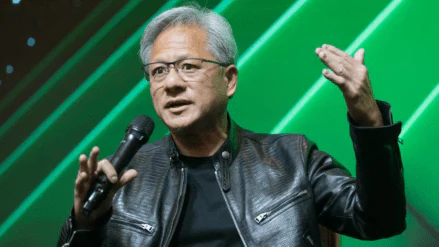
Nvidia CEO Jensen Huang—an immigrant himself—told employees the company’s success is inseparable from the contributions of international talent. His statement comes at a time when the US tech sector is grappling with tightening immigration rules that could redefine the future of innovation and competitiveness.
Huang’s message wasn’t merely a gesture of solidarity—it was a declaration of principle. “As one of many immigrants at Nvidia, I know that the opportunities we’ve found in America have profoundly shaped our lives,” he wrote. “The miracle of Nvidia, built by all of you and by brilliant colleagues around the world, would not be possible without immigration.”
What prompted the new restrictions on H-1B visas?
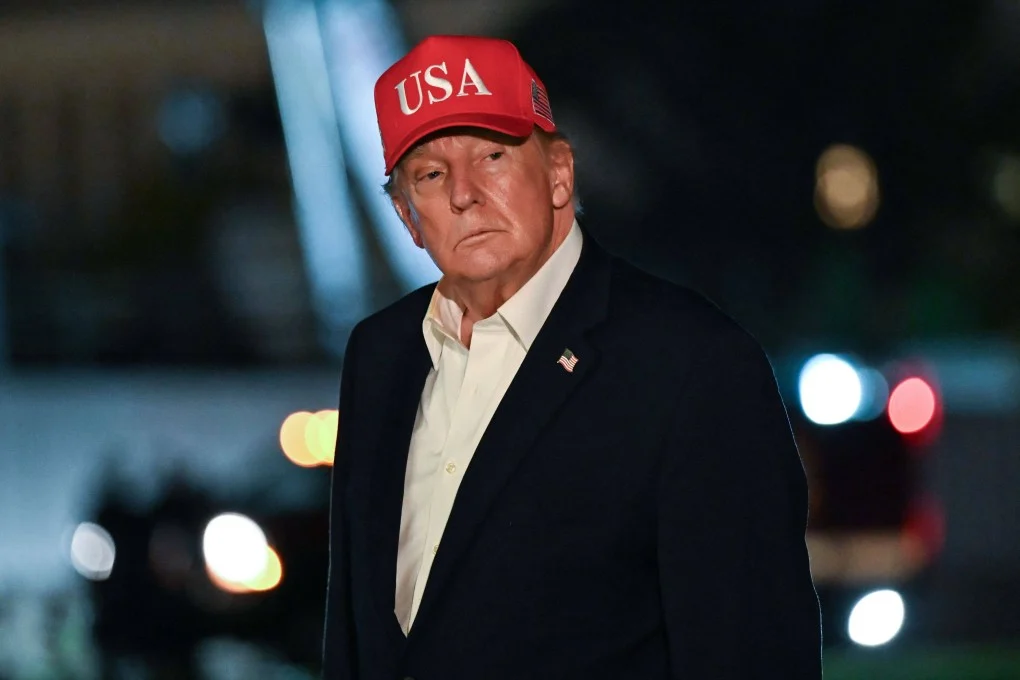
On September 19, President Trump signed a proclamation effectively overhauling the H-1B program, a visa pathway that allows US employers to hire highly skilled foreign professionals, especially in science, technology, and engineering fields.
The proclamation imposes a $100,000 application fee per visa, which experts say will make it prohibitively expensive for companies to hire non-citizens. The White House defended the move as a push to “hire American,” echoing Trump’s long-standing stance that US jobs should go first to American workers.
Commerce Secretary Howard Lutnick justified the decision, saying it would end the practice of companies training foreign workers. “They have to pay the government $100,000, then they have to pay the employee. So, it’s just not economic,” Lutnick said.
However, critics argue that such measures don’t just discourage outsourcing; they risk gutting America’s ability to attract top-tier global talent, a cornerstone of its innovation economy.
How Nvidia’s policy differs from the rest of the industry
Most technology firms have been cautious since the new proclamation, waiting to see how enforcement will unfold or exploring alternative visa categories. Nvidia, however, took a decisive stand.
Huang’s note to employees reaffirmed the company’s position: “At Nvidia, we built our company with extraordinary people from around the world, and we will continue to sponsor H-1B applicants and cover all associated fees.”
This approach contrasts sharply with companies that may scale back international hiring. Nvidia’s commitment to funding every dollar of the H-1B process sends a message—not just to policymakers, but to the global tech community—that immigration remains integral to innovation.
The economic stakes: what’s at risk with the H-1B crackdown?
The H-1B program has long been a pillar of America’s tech dominance. According to data from the US Citizenship and Immigration Services (USCIS), around 85,000 new H-1B visas are issued annually, many going to engineers, AI researchers, and software developers.
Industry analysts warn that the new fee could deter startups and mid-sized firms from applying altogether. “A $100,000 filing fee changes the economics completely,” says one Silicon Valley immigration attorney. “It’s not just a bureaucratic hurdle—it’s a message that foreign talent is no longer welcome.”
Nvidia’s defiance could, therefore, become a litmus test for the rest of the industry: will other companies absorb the costs, or will the US see an exodus of talent to countries like Canada and the UK, which have been actively courting tech immigrants?
Legal and political backlash to Trump’s H-1B changes
The new rules are already facing legal challenges. Earlier this month, a coalition of unions, educators, and religious organizations filed a lawsuit in the Northern District of California, calling the fee “unprecedented, unjustified, and unlawful.”
The complaint argues that the president lacks the authority to “unilaterally alter the comprehensive statutory scheme created by Congress,” and that the discretionary exceptions in the policy invite “selective enforcement and corruption.”
The lawsuit could shape the extent to which executive power can alter long-established immigration frameworks without congressional approval. Until then, uncertainty looms large for thousands of skilled workers awaiting visa renewals or approvals.
Why Nvidia’s move could reshape corporate immigration policies
Beyond symbolism, Nvidia’s announcement might have ripple effects across the tech sector. By absorbing the high fees and continuing sponsorships, Nvidia is positioning itself as an employer of choice for global talent amid tightening borders.
Other companies could face pressure from both employees and investors to follow suit. A tech industry reliant on artificial intelligence, data science, and semiconductor expertise cannot afford to alienate the very professionals who drive those fields forward.
In practical terms, Nvidia’s decision reinforces a larger truth: innovation thrives on openness, not isolation. The company’s success—built on cutting-edge graphics processing and AI research—depends on the diverse minds behind its breakthroughs.
The bottom line
Nvidia’s decision to continue sponsoring H-1B visas, despite incurring significant costs, highlights the broader tension between nationalism and globalism shaping today’s technology industry.
For Nvidia, this is not just about policy—it’s about identity. Its CEO’s statement encapsulates a belief that the future of technology will be written by those who transcend borders, not by those who build them.
As the legal and political battle over H-1B visas continues, the question remains: will other companies show the same conviction in defending the value of global talent?