

Quick Summary
Hulk Hogan, wrestling’s most iconic figure, has died at 71 after a cardiac arrest at his Florida home. The man behind “Hulkamania” transformed wrestling from a fringe show into must-watch entertainment, headlining record-setting events and leaving an indelible mark on sports culture. The official cause of death is still unconfirmed. Tributes are already pouring in, cementing his place as one of wrestling’s genuine legends
What Happened to Hulk Hogan?
Wrestling powerhouse Hulk Hogan, whose real name was Terry Gene Bollea, died at 71 after suffering cardiac arrest at his Clearwater, Florida, home Thursday morning. EMTs and multiple police units were seen at the scene, rushing Hogan to the hospital on a stretcher, but he could not be revived. As of this writing, no official cause of death has been released, and his family has not issued a public statement.
Just weeks before his passing, Hogan had undergone significant heart surgery. Despite public speculation, his wife, Sky Daily, reassured fans at the time that his condition was “strong” and he was expected to recover. He had reportedly been on the mend, so news of his sudden cardiac arrest comes as a shock for friends and legions of lifelong fans.
Why Does Hulk Hogan Matter in Wrestling History?
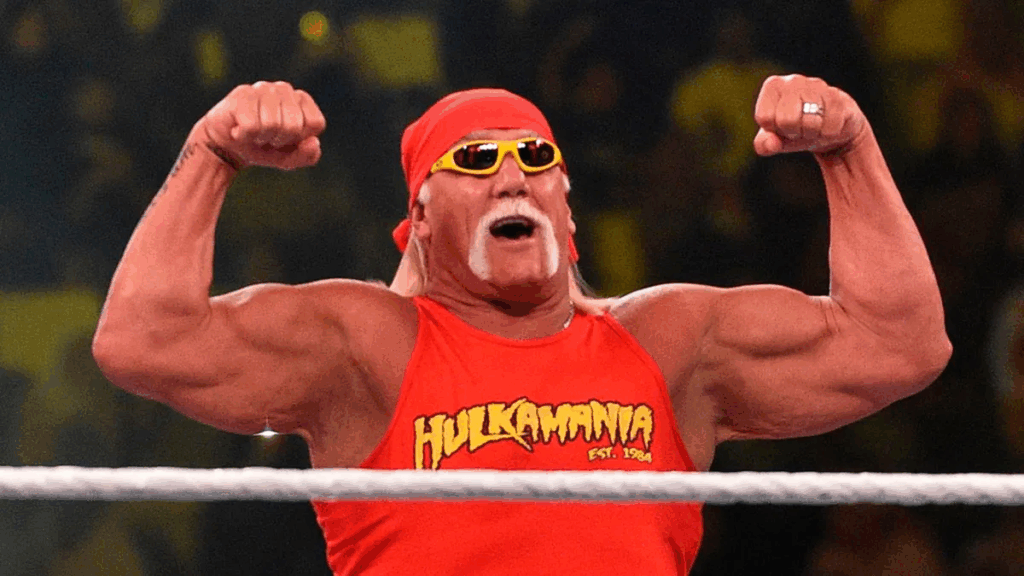
Hulk Hogan wasn’t just another face in the ring: he was the face of professional wrestling for an entire generation. In the 1980s and 1990s, “Hulkamania” swept the world, turning what was then the WWF (now WWE) from a regional spectacle into global pop culture. Hogan’s signature red and yellow attire, iconic handlebar mustache, and charismatic promos made him one of the most recognized celebrities on the planet.
Key Milestones in Hogan’s Career
- Headlined eight WrestleMania events, including the unforgettable WrestleMania III where he bodyslammed André the Giant before over 93,000 fans.
- Held the WWE Championship six times and the WCW World Heavyweight title a record six times.
- Pioneered the “Hollywood” Hulk Hogan persona in WCW, founding the notorious nWo (New World Order) that drove wrestling’s “Monday Night Wars.”
Signature Moves and Pop Culture Impact
Hogan wasn’t just about brute strength. His “Big Boot” and “Leg Drop” finishing moves, audience interaction (“Whatcha gonna do when Hulkamania runs wild on you?”), And crowd performances became standard fare for wrestling entertainment.
His celebrity extended to starring roles in movies (Rocky III, No Holds Barred) and TV (reality show Hogan Knows Best), as well as crossover moments, such as partnering with NBA star Dennis Rodman in WCW storylines.
When I saw 24-inch pythons flex, you knew you were watching an American phenomenon.”
— Wrestling historian Scott WilliamsHow Did Hulk Hogan Change Wrestling?
Few athletes have ever defined or reshaped their sport as much as Hogan. Here’s what set him apart:
- Mainstreamed Wrestling: Hogan brought wrestling into mainstream American (and global) living rooms, making WWE a household name.
- Pioneered Live Events: He was instrumental in WWE’s expansion into pay-per-view and cable TV super-shows.
- The Heel Turn Revolution: By reinventing himself as a villain (“Hollywood” Hogan) in WCW, he proved wrestling’s dramatic range could extend far beyond cartoon heroes.
- Mentor to Many: Post-WWE, Hogan became a brand ambassador and co-founded Real America Freestyle, introducing new talent to the ring.
What Details Are Still Unconfirmed?
- The official cause of death remains unannounced; while cardiac arrest is reported, authorities have not confirmed if it was the direct cause.
- Hogan’s family and WWE have yet to release comprehensive statements about his passing, and funeral arrangements have not been disclosed.
Frequently Asked (and SEO-Relevant) Questions
What was Hulk Hogan’s cause of death?
Where was Hulk Hogan when he died?
Was Hulk Hogan still active in wrestling before his death?


