Thailand has seized 284 tonnes of electronic waste (e-waste) that arrived illegally at one of its busiest ports and is preparing to send the shipments back to the United States. Authorities say the waste was falsely declared as scrap metal and shipped in multiple containers, raising concerns about the continued global trade in hazardous electronic waste.
The discovery was made at Laem Chabang Port in Chon Buri province, where Thai customs officials inspected containers that were reportedly carrying scrap metal from Haiti. Instead, investigators found large amounts of discarded electronic equipment and components.
Officials say the containers will be returned to the country of origin under international waste management rules.
What Was Found in the Containers?
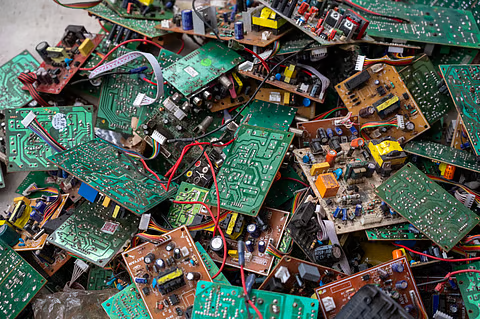
Authorities say the shipment contained a wide range of e-waste, which is often difficult and expensive to recycle safely.
Initial inspections revealed materials such as:
- Circuit boards
- Computer components
- Used electronic devices
- Various electronic parts and scrap technology
The seized cargo weighed approximately 284 tonnes and was packed into 12 containers that had entered the port under misleading documentation.
Officials are now inspecting additional containers connected to the shipment.
Thai Authorities Are Investigating More Containers
The shipment may be larger than initially thought.
Authorities say 21 containers in total are currently under inspection. Investigators suspect additional illegal e-waste may be found as checks continue.
Surin Warakijthamrong, head of Thailand’s Department of Pollution Control, said the containers were declared as scrap metal but actually contained hazardous electronic waste.
Officials have indicated that all illegal cargo will be returned to the United States in accordance with international regulations.
How the Illegal Shipment Was Discovered
The case came to light after a tip from the Basel Action Network, an international organization that monitors hazardous waste trafficking.
The group alerted Thai authorities about suspicious shipments entering the country.
Following the warning, customs officials carried out inspections at the port, leading to the discovery of the e-waste inside the containers.
Environmental groups have long warned that illegal shipments of electronic waste often target developing countries where disposal regulations may be less strict or where enforcement is weaker.
What the Basel Convention Says About Hazardous Waste
The shipment will be returned under the rules of the Basel Convention, an international treaty designed to regulate the movement of hazardous waste across borders.
Key provisions of the convention include:
- Hazardous waste shipments must be declared and approved before transport
- Illegal shipments must be returned to the country of origin
- The exporting country must cover the cost of returning the waste
The Basel Convention was created to prevent wealthy nations from dumping hazardous materials in developing countries where environmental protections may be weaker. Thailand officially ratified the convention in March 2023.
Thailand Has Tightened Rules on E-Waste Imports
Thailand has taken increasingly strict steps to stop the country from becoming a destination for global electronic waste.
Key policy actions include:
- A nationwide ban on importing e-waste in 2020
- Expanded regulations in 2025 covering 463 types of e-waste
- Increased inspections at ports and border checkpoints
E-waste often contains toxic materials such as lead, mercury, and cadmium, which can contaminate soil, water, and air if not properly recycled.
Because recycling these materials safely is expensive, illegal shipments sometimes attempt to bypass environmental rules by disguising waste as scrap metal or second-hand electronics.
Why E-waste Is a Growing Global Problem
E-waste is one of the fastest-growing waste streams in the world.
According to global environmental organizations, tens of millions of tons of electronic devices are discarded each year. Items such as smartphones, computers, televisions, and household appliances eventually end up as waste.
Improper disposal can cause serious environmental damage because electronics contain hazardous substances alongside valuable metals.
Countries with strong environmental regulations often face high recycling costs, which creates incentives for illegal export to countries with fewer processing facilities.
Experts say stronger international monitoring and enforcement will be necessary to stop such practices.
What Happens Next?
Thai authorities say the seized containers will be shipped back to the United States once the inspection process is complete.
Officials are continuing their investigation to determine:
- Who arranged the shipment
- Whether additional containers contain illegal waste
- Which companies were involved in the export
If more electronic waste is found in the remaining containers, the total volume returned could increase significantly.
Environmental advocates say the case highlights the need for stricter oversight of the global waste trade.
TL;DR
- Thailand seized 284 tonnes of electronic waste shipped illegally from the United States.
- The cargo was found at Laem Chabang Port in 12 containers falsely labeled as scrap metal.
- Authorities are now inspecting 21 containers in total, and more waste could be discovered.
- The shipment will be returned to the United States under the Basel Convention, which regulates hazardous waste trade.
- Thailand has banned e-waste imports since 2020 and strengthened regulations in 2025.