

TL;DR
In just a few months, Grow a Garden, a farming simulation game developed by a 16-year-old for Roblox, has shattered records and changed the landscape of online gaming. Its success has sparked an underground market, enormous revenue, and drawn comparisons to industry-altering games like FarmVille. This article breaks down how, why, and what it means for the gaming world.
What Is Grow a Garden, and Why Is It Different?
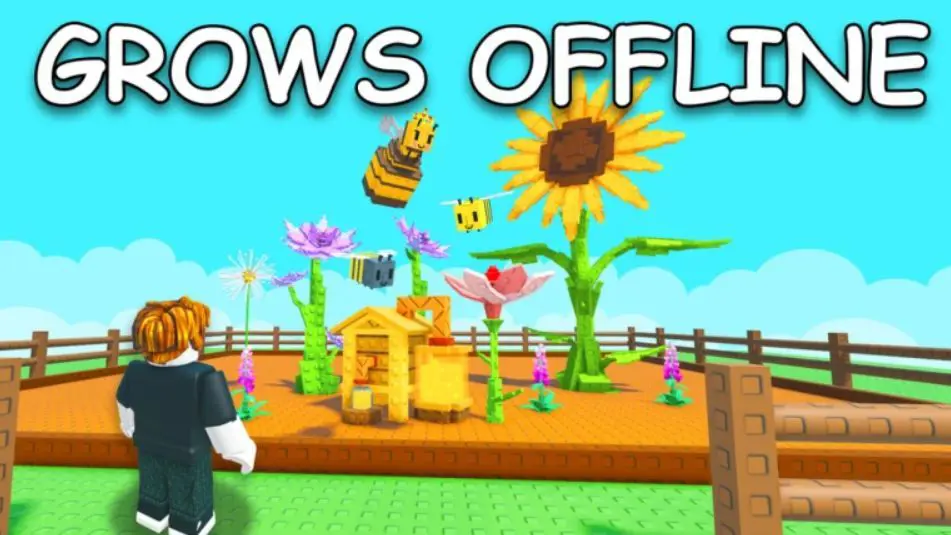
Grow a Garden is a gardening simulator hosted on the Roblox platform, launched in March 2025 by a teenage developer known as BMWLux. Players begin with a basic plot, plant virtual crops, sell their produce, and reinvest in their gardens for gradual advancement.
Key gameplay features:
- Progression through patience: Crops grow slowly, sometimes evolving into rare variants through “mutations.”
- In-game economy: Players use Robux (Roblox’s virtual currency) to upgrade equipment, buy animals, and access new features.
- Daily quests and events: Frequent updates keep gameplay fresh, with seasonal activities and limited-time challenges.
- Simplicity and pace: The experience is meditative rather than frantic, favoring incremental growth over fast action.
Many players describe the flow as repetitive, yet soothing—think digital gardening for a new generation.
How Did Grow a Garden Achieve Unprecedented Popularity?
Within a few months of its launch, Grow a Garden captured global attention, averaging 2 million concurrent players and achieving a record-breaking 21.3 million players at the same time on June 21, 2025. This surpasses even behemoths like Fortnite and all major Steam titles—an extraordinary feat for a Roblox game.
Factors contributing to its runaway growth:
- Accessible gameplay: Low barriers to entry, accessible for all ages, instantly playable on Roblox.
- Community-driven development: After initial creation by BMWLux, Splitting Point Studios and Do Big Studios joined as partners, scaling up development and outreach.
- Social engagement: Players connect through Roblox, Discord, and communities outside the platform, amplifying the viral spread.
- Regular updates: New events and content maintain engagement and reward ongoing play.
Who Profits from Grow a Garden, and How?
Behind the scenes, Grow a Garden represents a new model for creative and financial success in digital games.
The Official Economy
- Revenue Streams: In May 2025 alone, the game generated an estimated $12 million from virtual goods—seeds, upgrades, and rare items—all purchased with Robux.
- Creator Royalties: The original developer, now sharing ownership with Splitting Point Studios and Do Big Studios, still holds a large stake, reportedly close to 50%.
- Roblox Model: Roblox deducts a commission from every transaction, leaving the balance for the game’s creators—a scalable engine for profit.
The Unofficial Economy: The Virtual Black Market
A robust underground market has sprung up around Grow a Garden. Players use Discord channels and third-party sites to buy and sell rare in-game items (such as pets and “mutated” crops) for real-world cash, outside Roblox’s oversight—a clear violation of the platform’s rules.
Key facts:
- Bots & automation: Users deploy scripts to mass-produce valuable items.
- High-value items: Rare digital pets (e.g., a polar bear) can sell for $200 or more.
- Scale: It’s estimated that millions of dollars change hands in this parallel economy each week.
- Enforcement issues: Roblox attempts to ban offending accounts and scripts, but the decentralized and anonymous nature of these transactions makes eradication nearly impossible.
What Does Grow a Garden’s Success Say About Roblox’s Evolution?
Over the last decade, Roblox has transformed from a niche kids’ game to an economic platform for digital creation and entrepreneurship. It now supports over 15 million developers, many earning significant income.
What sets Roblox apart:
- Decentralized content creation: Roblox Studio enables anyone with a PC and an idea to make, test, and launch a game.
- Shared profits: Developers earn a share of revenue, incentivizing creative risk-taking.
- Viral potential: Games can achieve explosive success overnight—Grow a Garden is the most notable (but not only) example.
Is Grow a Garden Just FarmVille for Generation Alpha?
Many liken Grow a Garden to FarmVille, the Facebook-based farming hit of the early 2010s. Both are slow-paced, social simulators, but crucial differences reveal why Grow a Garden resonates more with today’s digitally native Gen Alpha.
| FarmVille | Grow a Garden |
|---|---|
| Facebook-centric distribution | Roblox-native ecosystem |
| Casual adult demographic | Tech-savvy, younger crowd |
| Monetization via social tie-ins | Deep integration of in-game economy |
| Growth via viral social invites | Growth via community, events, and user creation |
Why it matters: Grow a Garden’s rapid, organic ascent illustrates how decentralized platforms and user-driven economies are overtaking the top-down model. It demonstrates a shift where young creators—not studios—can set global trends, and virtual economies can become as significant as real-world markets.
What Are the Risks, and What Comes Next?
With massive popularity and staggering sums at play, the scene is not without pitfalls:
- Regulation challenges: The black market could draw scrutiny from regulators, especially regarding child safety and unlicensed transactions.
- Platform responsibility: As Roblox grows, so does its burden to curb illicit activity, ensure fair play, and protect young users.
- Fad or foundation: Industry observers are divided. Is this a fleeting trend or the new normal for digital entertainment?
Developers, platforms, and regulators alike will need new strategies to keep pace with a creative, entrepreneurial, and sometimes law-bending youth movement.




